Good day my good friend.
It seems that a few people on transport Twitter have started migrating over to Zuck’s new plaything Threads. While they are no doubt enjoying being outside the grasp of our Elon, I am still resisting. Due to (a) wanting to reduce social media use, and (b) Threads being named after the most terrifying film you will ever see in your life. Seriously – that film is not for the faint of heart.
If you have any suggestions for interesting news items or bits of research to include in this newsletter, you can email me.
Mobility Camp is taking place on 26th September 2023 in Birmingham. It would be great to see you there. Get your tickets now.
James
Messaging is critical
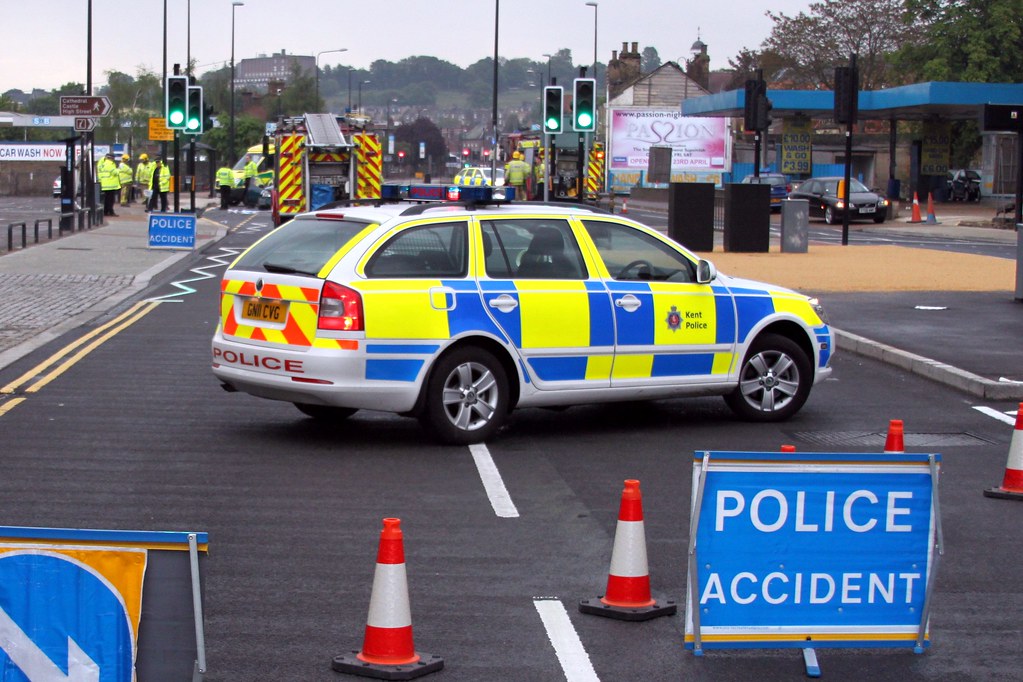
Many of you will have seen the story of what happened yesterday morning at The Study Preparatory School in Wimbledon. There is a lot of speculation about the causes of what happened that I don’t wish to further, but I wanted to touch on how the incident was reported. There are established guidelines for how road traffic collisions should be reported in the media, that are routinely ignored. Such as using ‘collision’ not ‘accident’ and ‘driver’ not ‘car.’ This was again ignore yesterday, but why is this important?
Ask many active travel advocates on social media, and it is to assign blame to the driver. But the reason why it is necessary to correctly report is because we must humanise collisions. Those who are victims may have been the victim of human intent or a mistake. At the same time, if a driver did have some sort of incident that meant they lost control (e.g. a medical incident), it is vital we humanise that. Report with facts, and deliver with empathy, and maybe it will result in our roads becoming safer.
Holding back the waves
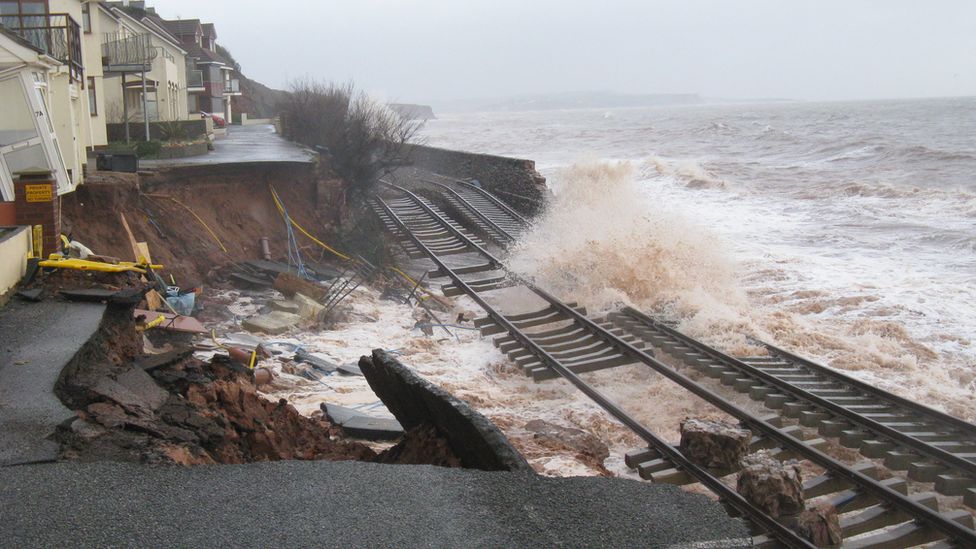
One of the most iconic transport images of the last 10 years in the UK was the sight of the Dawlish Sea Wall being washed away, leaving the main railway line between Exeter and Plymouth hanging in the air after Brunel’s defences finally succumed to a storm in 2014. Since then, Network Rail have effectively rebuilt the whole sea wall to a design taking into account more fierce storms and rising sea levels. And given Dawlish a nice promenade to boot.
This is one of the challenges that we as planners will face over the coming years. With public spending likely to be tight it is tempting to make-do-and-mend. But in a warming world with more severe weather we have to upgrade our infrastructure at the same time that it breaks. Credit to Network Rail for doing this here. Far too many organisations don’t.
Random things
These links are meant to make you think about the things that affect our world in transport, and not just think about transport itself. I hope that you enjoy them.
Crows can understand probability like primates do (New Scientist)
Seven big tech companies say they’re platform gatekeepers under EU law (The Verge)
Shell boss under fire for saying cutting fossil fuel production is ‘dangerous’ (The Guardian)
A global commodities rout is fueling fears of a bleak economic future (CNBC)
Economists draw swords over how to fix inflation (The Economist)
Something interesting
Driverless trains. The dream of Conservatives everywhere. But they won’t be happening soon.
If you do nothing else today, then do this
Sustrans have published their annual Walking and Cycling Index. It covers 18 cities across the UK and Ireland. You should read it.
 Mobility Matters