Good day my good friend.
For those of you in the Transport Planning Society in the UK, you may have received your nomination papers for Board members, with a familiar name on it :). All I will say is that you should study each candidate carefully, and choose who you feel will best represent the profession over the coming years. (Though any votes for yours truly will be much appreciated).
If you have any suggestions for interesting news items or bits of research to include in this newsletter, you can email me.
James

DRT! Crypto! Blockchain! (Probably)
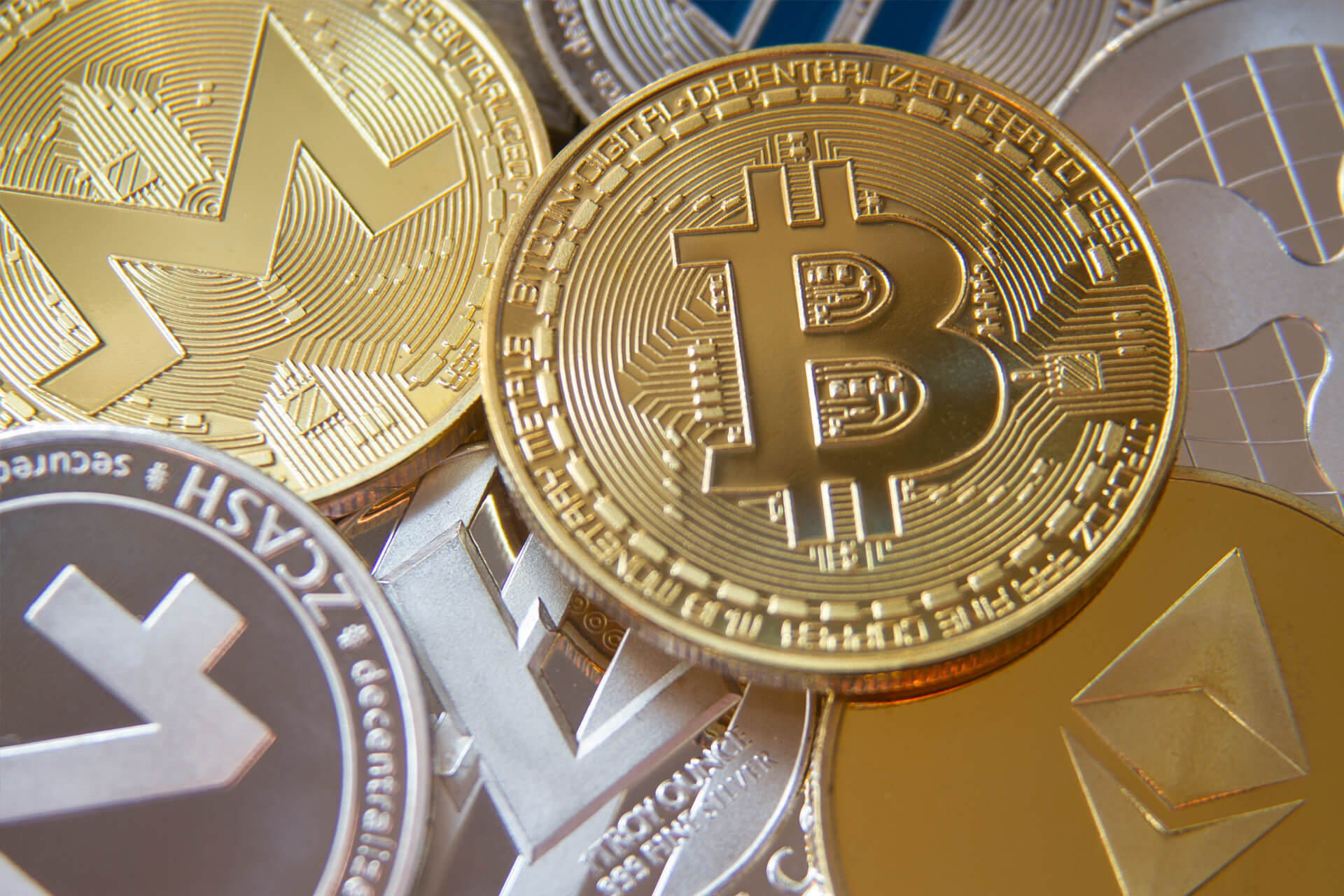
The Tech Bros among you are probably getting excited at this. But hold your horses. This is a really cool economics paper on social welfare and economic equilibrium. In short, cryptocurrency is being used as a reward mechanism for fares for DRT services. But this has a weird feedback effect, because a larger potential reward results in more passenger retention, which makes services busier. This speculation leads to a poor welfare outcome.
Contrary to popular belief, transport economics is not about revenue abstraction (nor is economics for that matter) but about allocation of resources most effectively. And it struggles to do this efficiently. But with access to more data sources concerning demand and supply, this equilibrium is being sought in research. Even if people’s travel patterns stubbornly refuse to change to be the most efficient.
The Morals of Scrappage
The London Mayor is arguing with the Borough’s. No shock there. But this is about the Ultra Low Emission Zone expansion. Ignoring the politics of it all, it comes during a week where the Mayor launched a £110 million scrappage scheme to encourage low income car owners to scrap non-compliant cars with up to £2000 cash, or a higher value in public transport fares. But is paying people to give up their cars the right thing to do?
Amazingly, there has been little evidence collected on who would benefit the most (car owners, assumedly, who tend to be richer). But other evidence indicates that, among other things, such policies are neutral for lifecycle carbon emissions, and any effects they do have are in the short term. They may be good for Nitrogen Dioxide. But other than that, this often deployed policy has been studied very little, and its social impacts are unknown.

Random things
These links are meant to make you think about the things that affect our world in transport, and not just think about transport itself. I hope that you enjoy them.
What the Longest Study on Human Happiness Found Is the Key to a Good Life (The Atlantic)
The ‘Busy’ Trap (New York Times)
The Trauma Floor (The Verge)
Wind Farms Deliver Economic Jolt to Rural Middle America (The Daily Yonder)
Tesla admits it was asked to hand over Autopilot, Full Self-Driving docs to investigators (The Register)
Something interesting

This infographic sets out the challenge ahead. How to get fossil fuel abstraction from these towering amounts to a small trickle. Quickly.
If you do nothing else today, then do this
Read this article on the changing investor attitudes towards autonomous vehicles. In short: they are asking for companies to show them where the money is going to be generated.