Good day my good friend.
Right. Can we just go for, like, a week without someone messing something up? Like the Felixstowe Dock and Railway Company? Because what the UK needs right now is one of its major container ports being out of action for eight days. Come on, people.
If you have any suggestions for interesting news items or bits of research to include in this newsletter, you can email me.
You should also join a lot of like-minded people at Mobility Camp in Bristol in September. Get your tickets now. Sponsorship slots are also available.
James
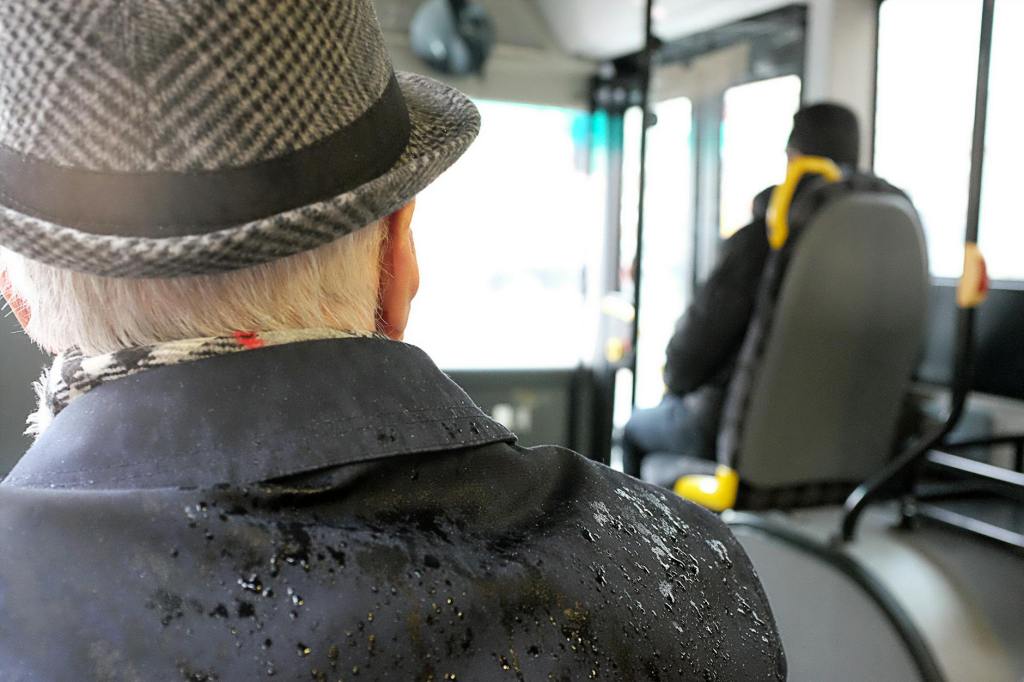
Three buses don’t often come at once
Few things in life are certain. Night will follow day. Death and taxes. And buses will not bunch together the second things go wrong. Yep, you read that right. Or, according to this new paper, they don’t bunch half as often as we think they do. Because our networks are incredibly resilient and the actors seek a balanced schedule. And this is not the first time that this has found to be the case.
Thinking it through logically, of course this happens. Drivers can be instructed by dispatch to terminate early and spread out the schedule. Crowds can even out across a route. There is the wildcard of different passenger boarding behaviours. And finally buses and their drivers can start to sync behaviours as opposed to competing with each other to finish the route on time. So the next time you see three buses, one after another, remember this – it doesn’t happen half as much as you think it does.

The railway really needs to change how it does disruption
This qualitative research by the Department for Transport should be a mic-drop moment in the debate about whether passengers prefer shorter, more intense engineering work disruption, or have it spread out over several weeks. Its the former. Apparently, its easier to remember and easier for people to plan for. This has been proven time and time again to be their preference.
There are plenty of reasons why a more extended period of disruption over several weekends may be better. Notably shift patterns of the railways and the ability to actually bring in the equipment needed to do the works. And to be fair to Network Rail, extended closures are becoming more and more common. But we should do this more. Its what passengers want. And without passengers, the railways are nothing.
Random things
These links are meant to make you think about the things that affect our world in transport, and not just think about transport itself. I hope that you enjoy them.
Does ‘nudge theory’ work after all? (BBC Future)
Plastic Pollution Is Turbocharging Bacterial Growth. The Solution May Be to Add More Bacteria (The Daily Beast)
Seventeen days walking the Pennine Way (The Economist)
The Horrors of Being Extremely Online (The Atlantic)
Uber and DoorDash found a way to make food-delivery profitable (Quartz)
Something Interesting

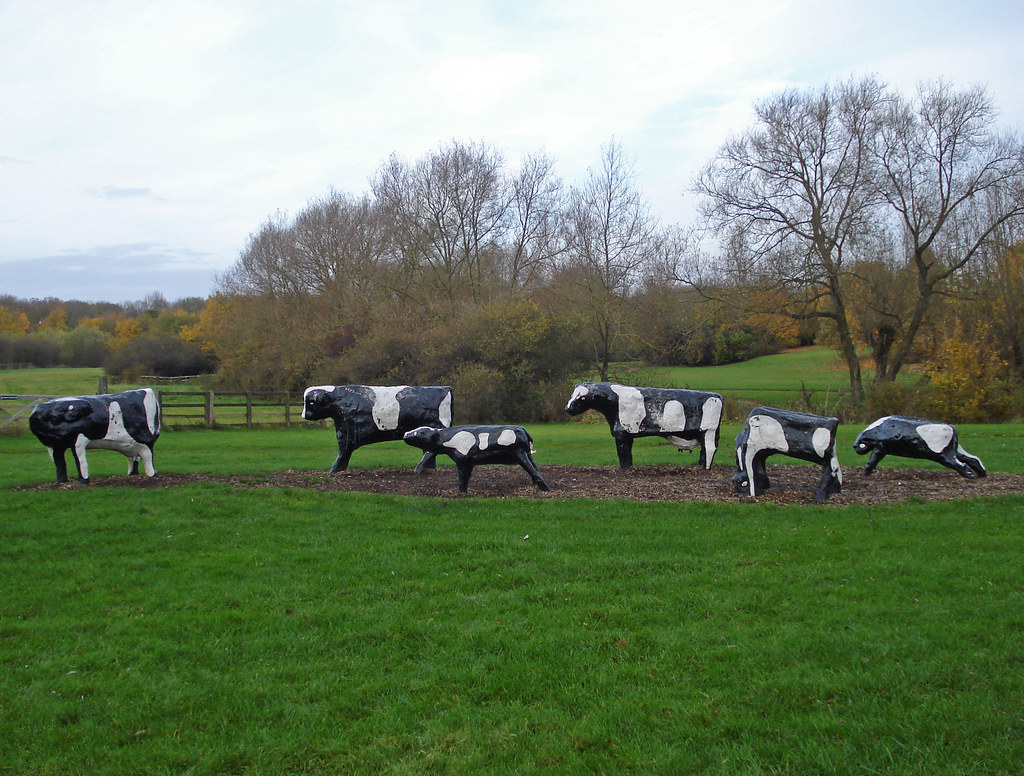
This what Milton Keynes could have looked like. A series of townships with 5000 residents connected by a monorail. Until the Milton Keynes Development Corporation squashed the idea because they thought cars were great. What could have been…
If you do nothing else today, then do this
Watch this video by the World Bank on using roads to connect rural villages in India. Sometimes, building roads is a good thing for people. Remember that.