

Good day my good friend.
This is a public service announcement. The next month is crunch time on a big project I am working on. So my newsletters will be shorter than normal. Including this one. Sorry.
📕 I have co-authored a book on Mobility-as-a-Service, which is a comprehensive guide on this important new transport service. It is available from the Institution of Engineering and Technology and now Amazon.
💼 I am also available for freelance transport planning consultancy, through my own company Mobility Lab. You can check out what I do here.
😒 Here we go again
Government’s all over the world have a problem. New or renewed infrastructure is needed to meet the challenges that societies face over the coming decades, and infrastructure tends to be quite expensive to deliver. Especially if you don’t happen to have a sovereign wealth fund to hand which can pay for this kind of thing. We are not jealous at all, Norway.
In the UK, there is the annual gossip-fest that is the budget. With rumours swirling of transport cuts or extra money being found for infrastructure (depending on what paper you read, or whether government messaging has gone down like a bucket of cold sick), the Institution of Civil Engineers (ICE) has put out an incredibly useful briefing paper on alternative options for financing infrastructure investment. Leveraging investment from the private sector to fund new infrastructure or to renew existing assets.
Its useful not just because it identifies the options that are available, but that it gives some useful indications as to the reality of funding public infrastructure. I find that us transport planners often work under mistaken assumptions as to how what we do is actually financed, and the reality of getting returns on what we do.
One of the assumptions is around the hypothecation of revenue. Sorry to say that not all money that is raised through various transport taxes and user charges is reinvested in transport. Even if it was we are so far from covering the costs its untrue, for example the amount raised in fuel duty barely covers the costs of running the railways. Nor, I suspect, would the Treasury allow it. There is significant cross-subsidisation across the entirety of the tax base so that the government can pay the bills, and so ring-fencing revenues raised by one sector and keeping it in that sector is generally frowned upon.
Nor is it a case of simply paying through public borrowing on the promise of potential future returns. Probably the most important government agency that most of you don’t know about is the Debt Management Office, who sell government gilts to the markets to fund things like infrastructure investment on the promise of financial returns for those who buy them over the longer term. Essentially, the infrastructure really needs to make a financial return for UK government. So reckless spending, or spending to literally keep the government running (like we have done for a while) really is not a good idea.
The picture is no less complicated when trying to secure private sector financing, and again here there are misconceptions. As the ICE point out, there are a lot of financing models for infrastructure out there that work perfectly well to deliver transformational infrastructure. But what is the most suitable varies significantly by the type of project and its timing.
What private sector looks for the most is ensuring that the return is worth the risk. And transport infrastructure is very funny in this regard. There is often a significant up-front investment in the infrastructure, and long payback periods make lenders more jittery as they are risky. But the potential returns over the lifetime of the project (or the concession, depending on how its procured) means you can actually make quite a lot of money. A notable example of this is the Dartford Crossing, where the borrowing costs of the crossing have been paid back, yet the tolls are still there.
Personally, I do get extremely frustrated by Treasury brain counting all the beans and saying to people that they cannot have any sweets. But when you look into the world of infrastructure financing, you begin to understand the caution given the level of financial risk involved in infrastructure projects. The good news is that there are lots of options to tackle this, as the ICE refer to in their paper, and what works best depends on what you want to achieve. Perhaps in the future when asking for more money to do the things we want, take a moment to think about where that comes from, and what is needed to get it. And come to realise how your assumptions were wrong all along.
👩🎓 From academia
The clever clogs at our universities have published the following excellent research. Where you are unable to access the research, email the author – they may give you a copy of the research paper for free.
TL:DR – Not killing people is popular.
Greening the commute: A case study of demand for employer-sponsored microtransit
TL:DR – This might be popular with the workforce.
First-mile and last-mile externalities: Perspectives from a developing country
TL:DR – The first and last mile are significant barriers.
TL:DR – Freight trains are really noisy. And from personal experience, wake dogs up when they trundle past at 2am.
📖 Bedtime Reading
As well as the ICE briefing paper, you should really check out this report by good friends and general clever people Greg Marsden, Glenn Lyons, and Anna Rothnie on the implications of doing nothing as an option for road pricing. I won’t spoil it, but doing nothing is not a clever option.
📷 Out and About
On Wednesday, I took a work trip to Winchester, the original capital city of England don’t you know? As well as the location of one of the most famous road protests in history – The Battle of Twyford Down. Having seen the cathedral up close, I can see why the protestors wanted to protect the view of it.

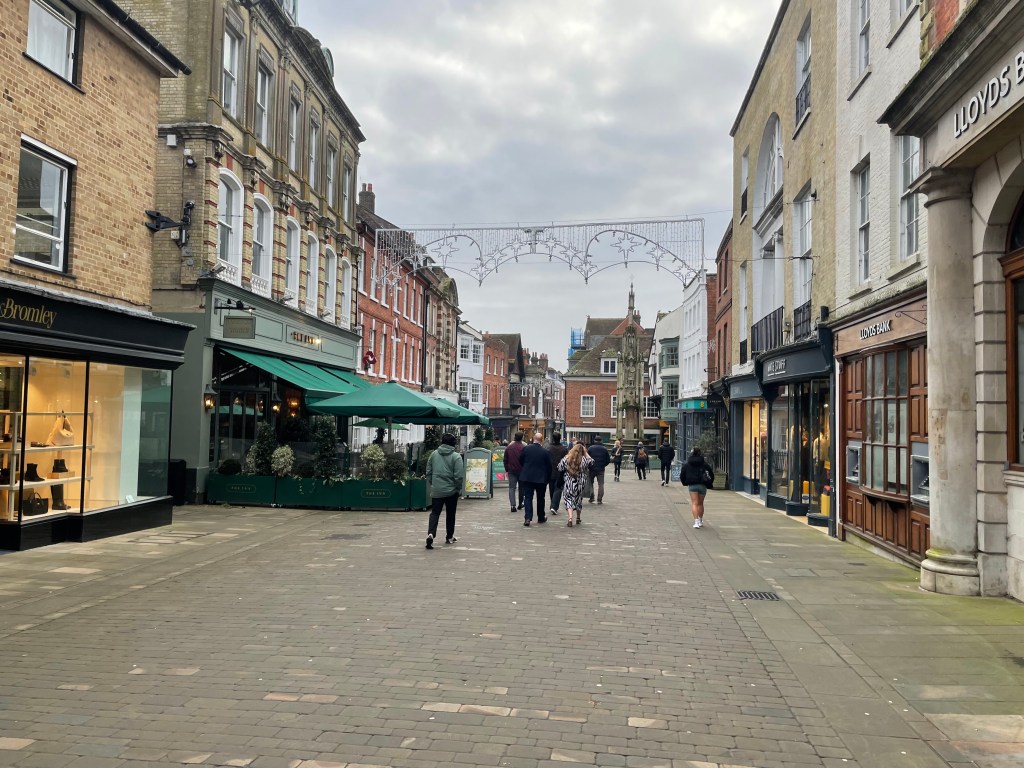
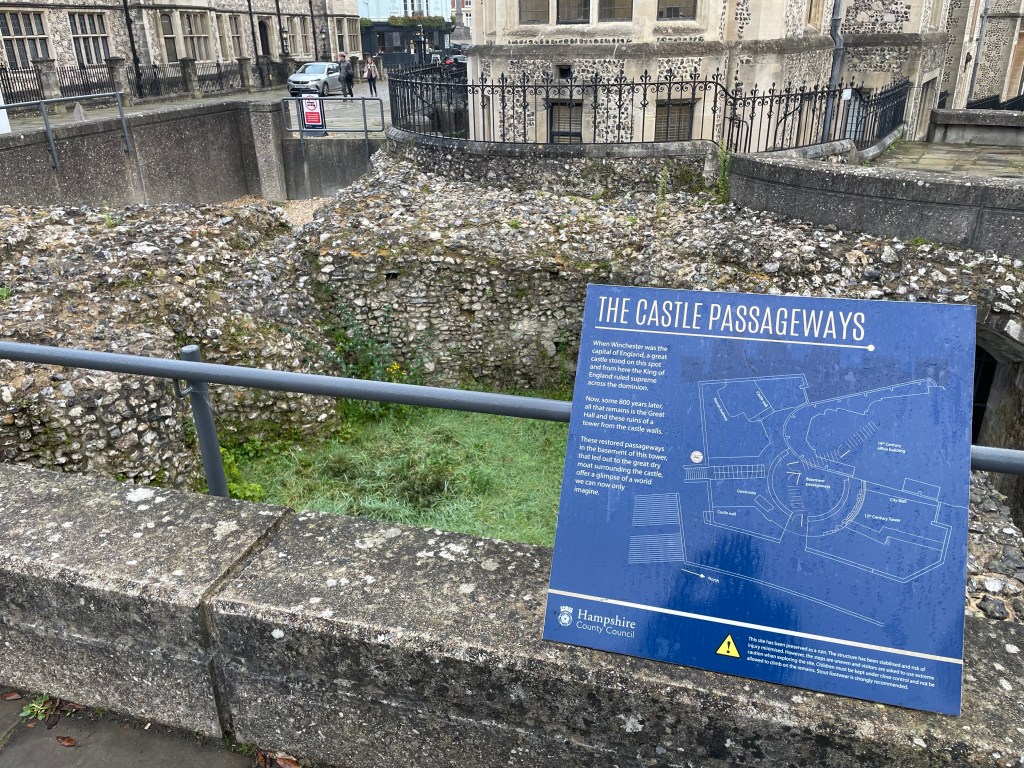
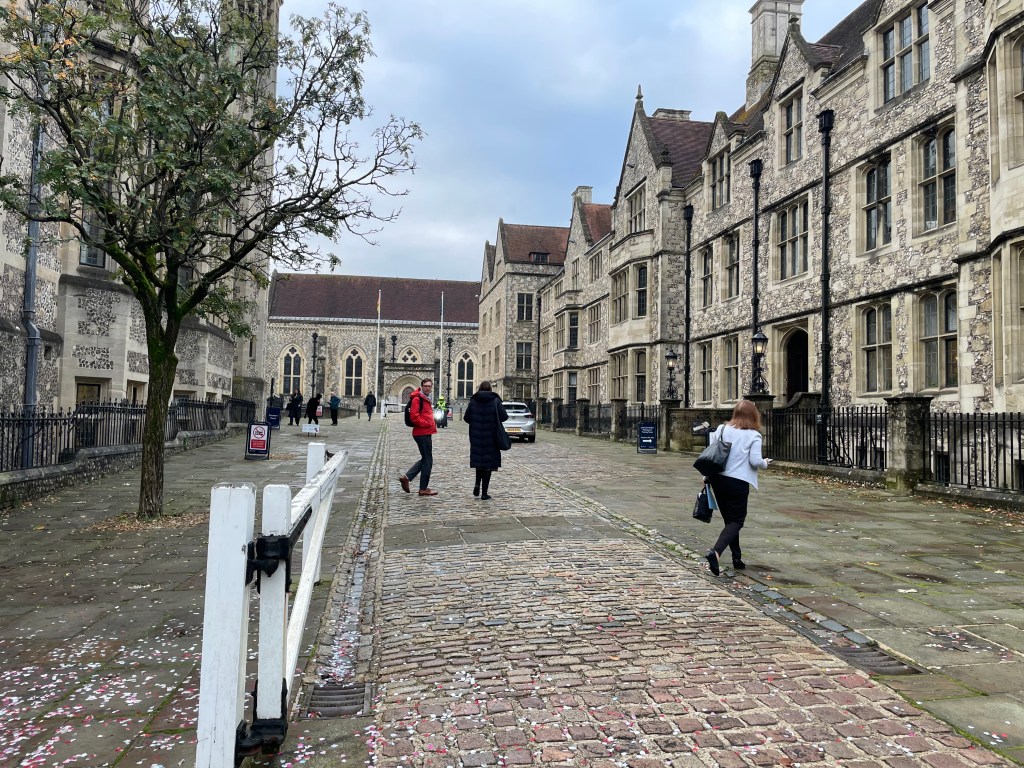
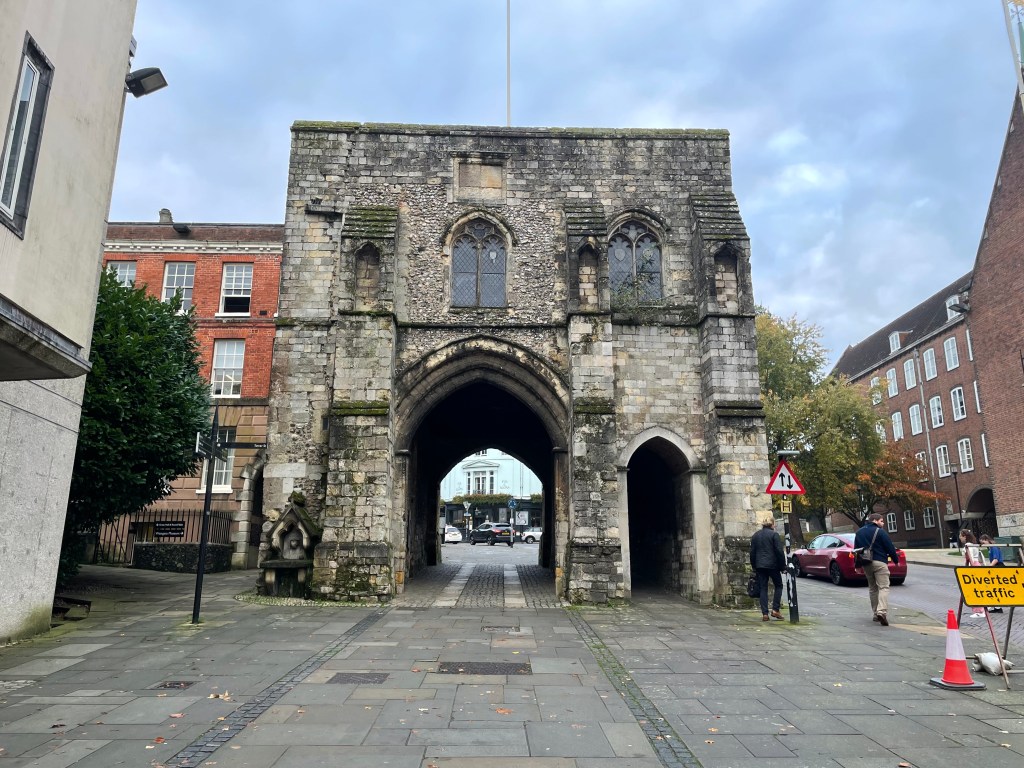
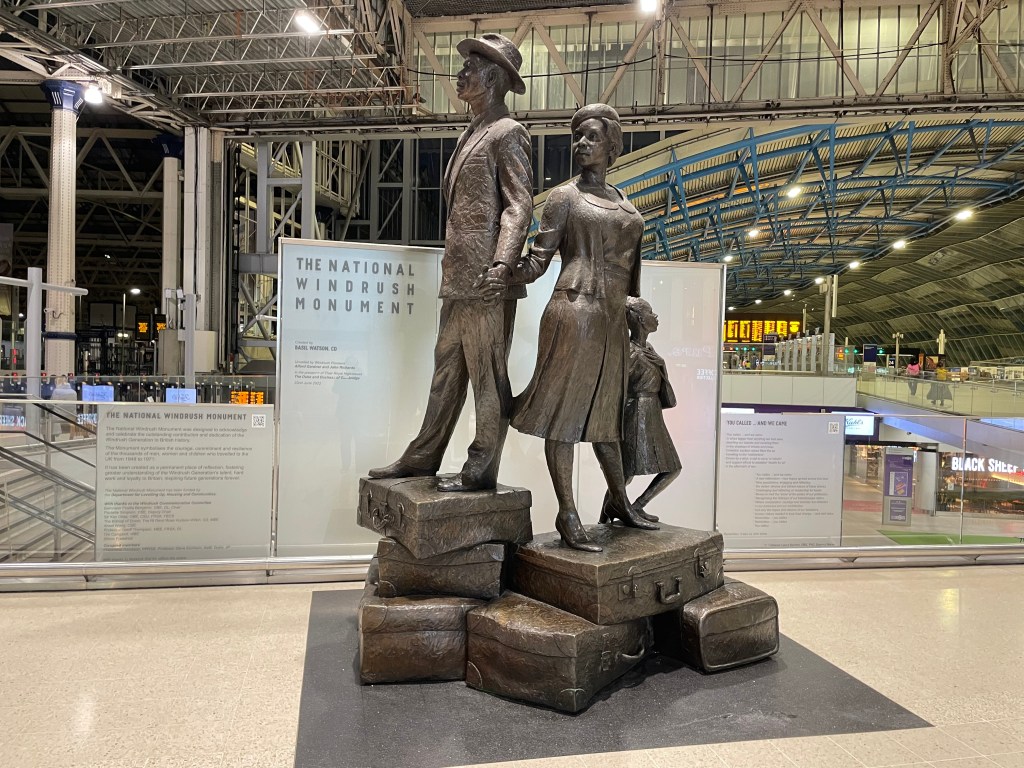
On the way there, I spotted a statue at a railway station. No shock there, as there are lots of them. But, this one made me stop and think about a sacrifice made in within living memory by people living in the UK, and who were horribly mistreated for their hard work. That is the Windrush Monument at Waterloo Station. If you want to know the story, and the scandal, behind the Windrush Generation check out the Wikipedia page.
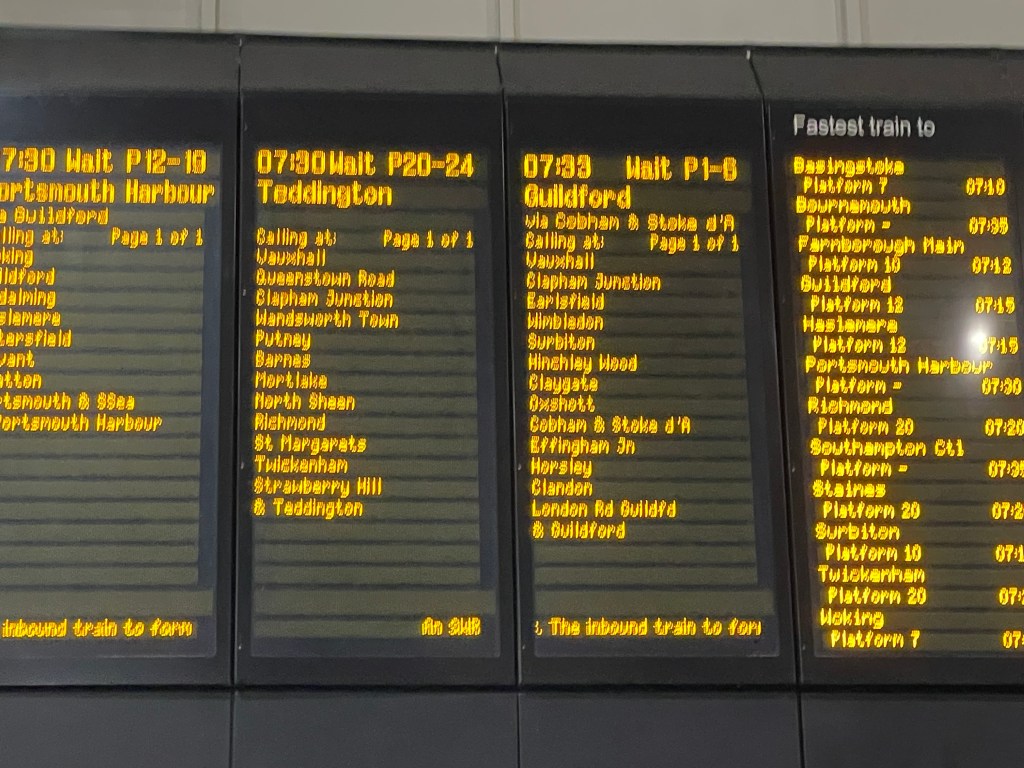
Waterloo station also has a rather clever crowd management system. Where it tells you what platform gates you should stand in front of to wait for your train. I like it.
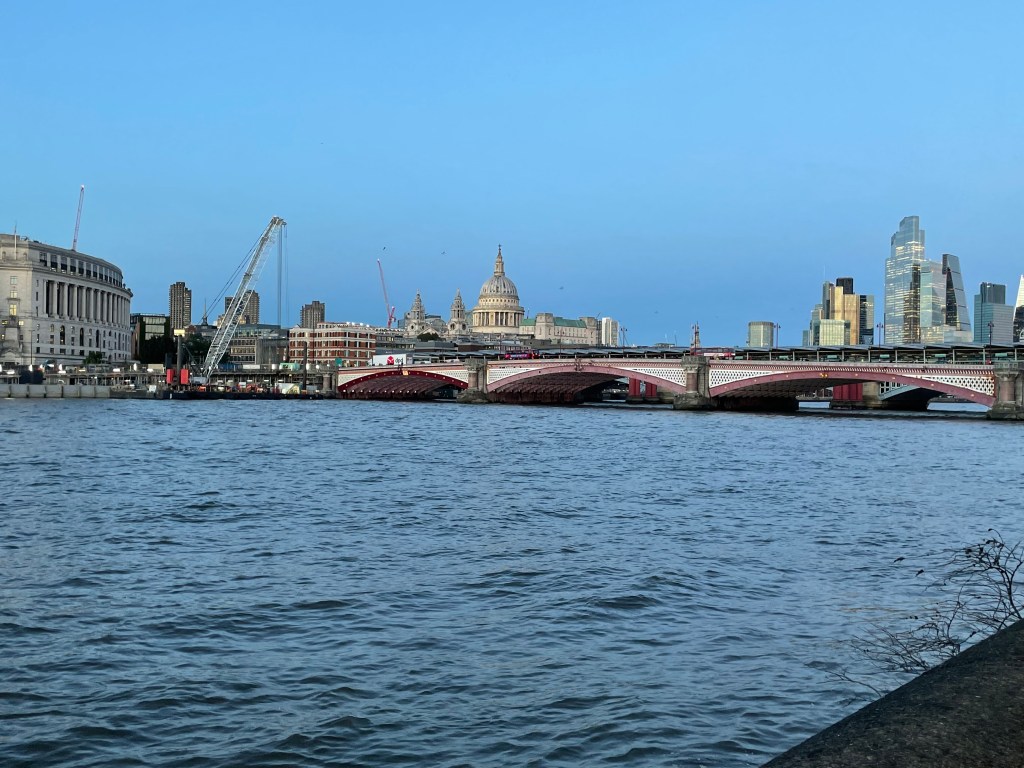
Finally, on the way back, I walked along the South Bank between Waterloo and Blackfriars. And took a picture of this rather lovely scene of St Paul’s Cathedral. I like it.
📚 Random things
These links are meant to make you think about the things that affect our world in transport, and not just think about transport itself. I hope that you enjoy them.
- As climate change helps mosquitoes spread disease, critics push for alternatives to pesticides (Grist)
- What a Food Label Should Look Like (Econlife)
- Behavioural science: could supermarket loyalty cards nudge us to make healthier choices? (The Conversation)
- Revealing tax evasion by firms (VoxDev)
- Twenty years of microplastic pollution research—what have we learned? (Science)
👍 Your feedback is essential
I want to make the newsletter better. To do this, I need your feedback. Just fill in the 3 question survey form to provide me with quick feedback, that I can put into action. Thank you so much.

 Mobility Matters