

Good day my good friend.
This is a public service announcement. Keep an eye on your LinkedIn feed because next week some BIG news will be announced about this year’s Mobility Camp. I can’t say any more right now, but I am very excited about what we are planning.
Its also that time of year in the UK where the public holidays come thick and fast, and on Monday we have one of those. So I will not be posting on Monday as I will probably be painting my front room instead.
If you like this newsletter, please share it with someone else who you think will love it. The main way my audience grows is through your recommendations. I will love you forever if you do. 😃
I have co-authored a book on Mobility-as-a-Service, which is a comprehensive guide on this important new transport service. It is available from the Institution of Engineering and Technology. 📕
The Price of Bravery
One of the biggest mistakes that I feel that we make as transport professionals is that we are very often factual when showing that we are human is what is needed. Nowhere do I feel that most strongly is in our relationship with elected councillors when it comes to delivering what can sometimes be seen as radical schemes.
A well-functioning Council is not one that delivers what YOU want it to, contrary to popular opinion. It is one where councillors and officers work collectively as a team to make decisions that enable councils to deliver their statutory functions, and to deliver on the political priorities of councillors. From the officer perspective, this is often seen in terms of providing evidence to support a decision. This is one that officers are very much used to doing as well, and can do it amazingly well.
Over the last 4 years, I have had the pleasure of experiencing the side of the fence we do not often see as professionals – namely being a councillor myself. The importance of discussions held between councillors and officers cannot be overstated. Councillors set the idea and the strategic vision, and the officers work with us to realise this vision, including having some very difficult conversations with us when our plans are, quite frankly, nuts. But without such work and such trust, big projects do not happen at all. Like buying an old bank and turning it into a restaurant and community space.
But the mark of an exceptional officer is one that provides the emotional support when needed. And occasionally, it is needed. We criticise politicians for not taking the brave decisions. But taking such decisions may require a level of resilience that cannot be tackled by simply just shrugging it off.
In my time as a councillor, I have been called corrupt and “on the take” to my face. Through email I have been called “the worst of the worst,” someone who is “stupid, and doesn’t have a clue how the world works.” I’ve got it lucky.
Fellow councillors who I have worked with have had death threats. Women councillors who I know have been followed home after contentious council meetings, and been threatened with sexual assault.
That is not stuff you can just shrug off or say to councillors to deal with it. And it happens far more than we care to admit it does. We can say that its a minority, and it is, but its a hard minority. As Leo Murray of Possible said in a very good lecture to the Transport Planning Society last night, the opposition is hard, entrenched, and often brutal.
When the times get tough on schemes, this is when we need to work more closely with councillors to provide them with the support that they need to champion a good cause. We need to tell them before schemes go to consultation that some of these things will be controversial and they will get people angry. We need to tell them how much of a good job they are doing after brutal council meetings. We need to be the shoulder to cry on, and maybe the person to drown their sorrows, or even more if what has been done is even worse. We need to remember that councillors are human beings and not robots immune to criticism.
Maybe it is time that we as professionals focus more on emotional support than the technical support that we can do in our sleep. From my own experience, councillors not only remember the people who shout in our face, but we also remember the people who put their hands on our shoulder and say what a good job we have done, or how they have our back.
I have found that any act of bravery involves times when that bravery has wavered and truly been tested. And in those times, having someone’s back helps more than you might think.
You know what I would love to see happen? Transport campaigners and professionals starting a ‘thank you’ campaign. Where every councillor who has made a good decision for a better future receives a personal email thanking them for doing it. Even better, a hand-written letter. That kind of action will mean more to councillors, and could lead to better decisions, more than you think it will.
Maybe, for once, us transport professionals need to be brave in supporting those who make the tough calls. And do so meaningfully.
👩🎓 From academia
The clever clogs at our universities have published the following excellent research. Where you are unable to access the research, email the author – they may give you a copy of the research paper for free.
TL:DR – There is a very complex interplay between societal norms and cultural rebellion for women in Bangladesh.
Are private investors overcompensated in infrastructure projects?
TL:DR – No, as private investors take on a lot of risk.
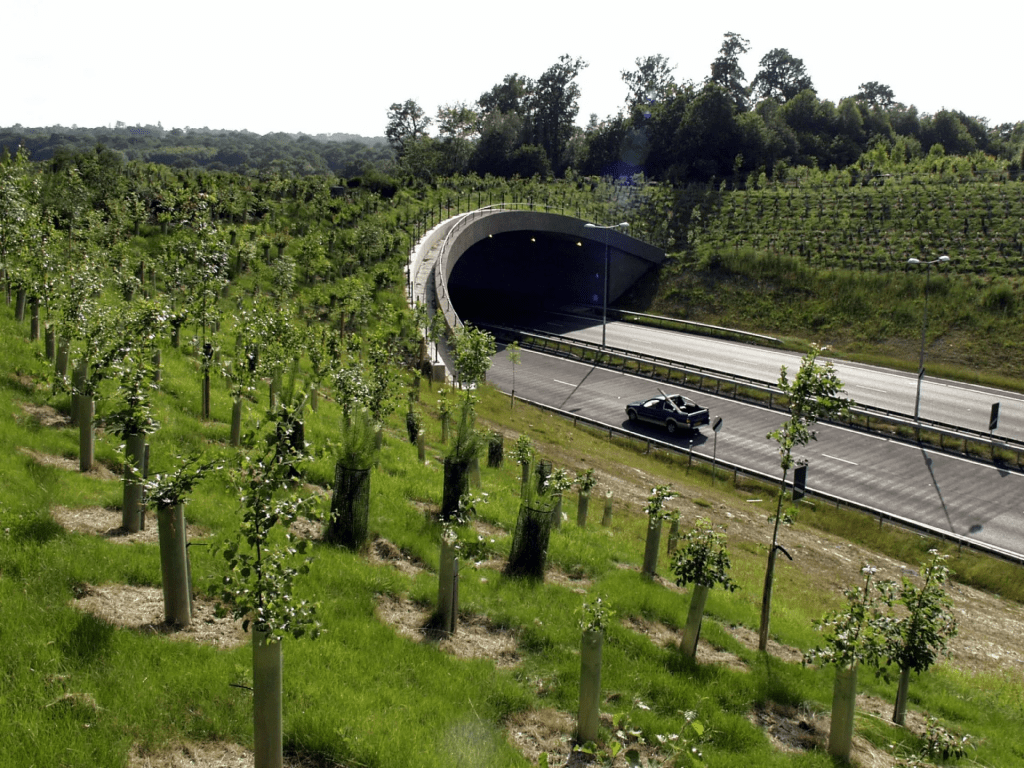
Evaluation of the effect of road barriers on wildlife habitats
TL:DR – The location of barriers on highways can have a big impact on the habitats and migration patterns of animals.
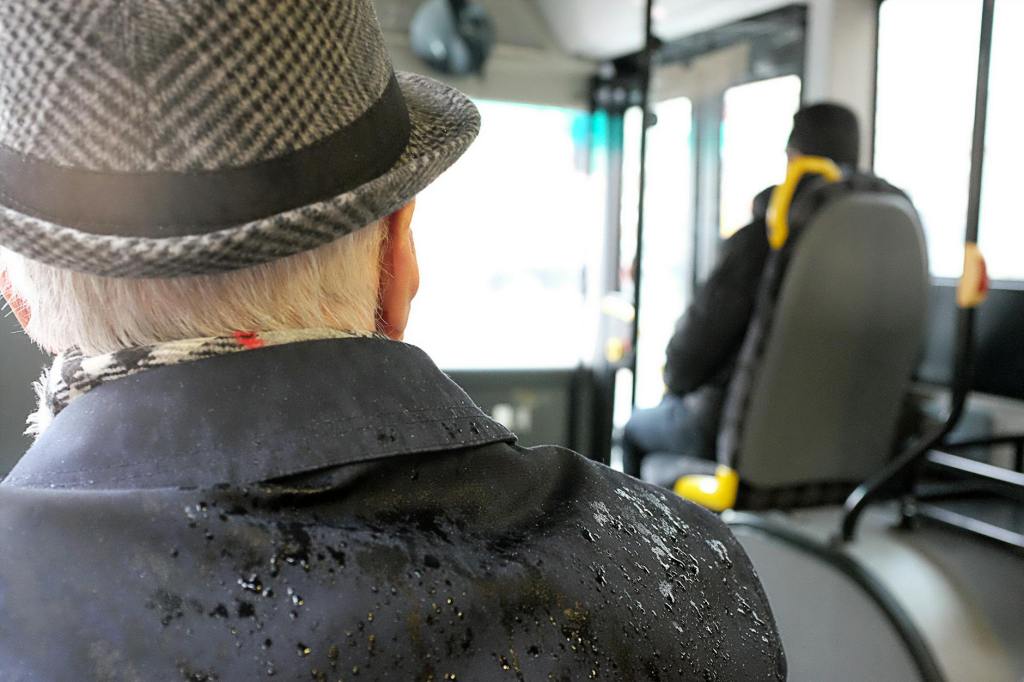
Improving interest in public, active, and shared travel modes through nudging interventions
TL:DR – Nudges can work, but its not the whole story.
✊ Awesome people doing awesome things
Speaking earlier on of Leo Murray from Possible, Possible have been doing a lot of good thought leadership work on making radical changes to our cities. Their recent work on Parklets and councillors and LTN positions are particularly interesting.
📺 On the (You)Tube
This is a fascinating video on the numerous plans that have been put forward to build in the bay in Tokyo.
🖼 Graphic Design
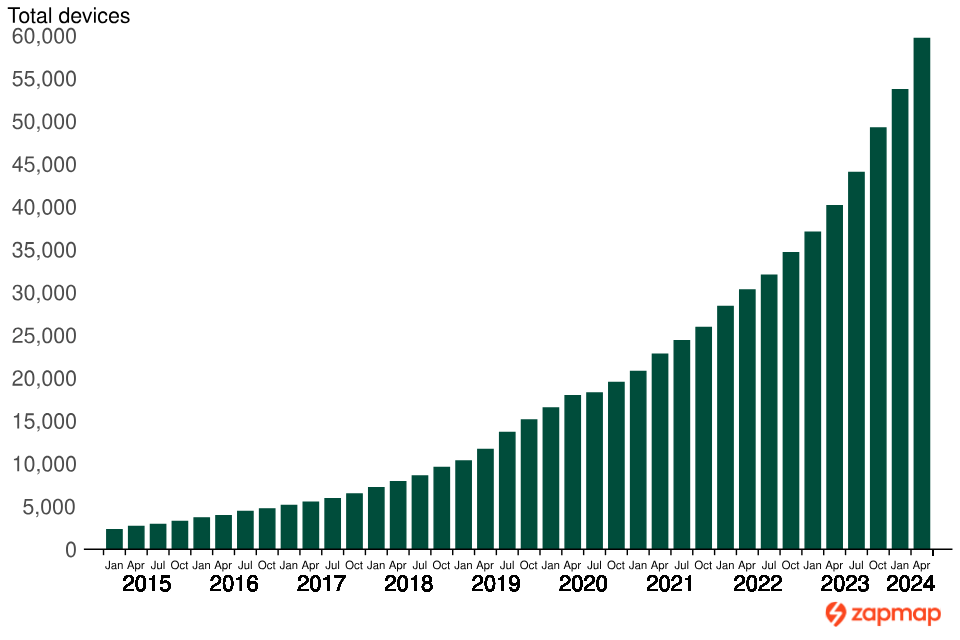
Installed UK public charging devices, midnight, 1 of month, since 2015 (Source: Department for Transport)
The UK is installing more electric vehicle charging points than ever. And that is a good thing.
📚 Random Things
These links are meant to make you think about the things that affect our world in transport, and not just think about transport itself. I hope that you enjoy them.
- ULEZ misinformation will echo beyond London’s mayoral race (British Politics and Policy)
- This spring, DC-area students are planting native flowers — and activating ‘the solarpunk imagination’ (Grist)
- Striving to Connect (Science)
- The Pandemic Fueled Gains in Digital Equity. But for Native Tribes, It’s Complicated. (The Daily Yonder)
- The shift to LED lighting is stopping us from seeing our night skies (New Scientist)
👍 Your feedback is essential
I want to make the newsletter better. To do this, I need your feedback. Just fill in the 3 question survey form by clicking on the below button to provide me with quick feedback, that I can put into action. Thank you so much.
 Mobility Matters
One response to “🛡 Being Brave is Hard”
James,
If I may say briefly – you’ve really stepped up a gear with this post.
It really resonated with me having been the lead officer for transport in North Wales, now in the private sector and a town councillor – but one that doesn’t take prisoners lightly when transport organisations rock up and think we’re a bunch of village idiots – it’s like we’re a bunch of primary school children rather than adults.
Being neurodivergent makes it even harder – but it’s really opened up my eyes even more than I when I worked with the senior political leaders in my old role. When you’re outside my day job ecosystem – this is fascinating and frustrating / rewarding at the same time.
Michael
LikeLike