
Good day my good friend.
Have you ever had one of those weeks where, having spent weeks working on a project output that you are really proud of, and really want to show off once it is published, its then pulled at the last minute? Through the “yeah, we are not doing this anymore. K thx bye” email?
Yep, it was one of them. Where I wrote a report into a planning application that was subsequently withdrawn and so the comments of my Town Council were not needed (you can see the report here, BTW). Before then spending 2 hours talking about setting Council Tax levels for next year.
The joys of being a representative of the people.
If you like this newsletter, please share it with someone else who you think will love it. The main way my audience grows is through your recommendations. I will love you forever if you do. 😍
James Gleave
🎨 The Art and Science of Strategy
There are a lot of books that tell you how to write strategy well. Just go into any Waterstone’s store and look in the business section. It will be full of books from clever people on how their method is the best way of writing your strategy, 90% of it is you buying their book so they can sell to you. But for me, one strategy book stands head and shoulders above the rest, because it actually describes the experience of creating great strategy.
The Art of the Long View was written in 1997 by Peter Schwarz, ex-scenario planner from Shell, who do scenario planning rather well (whatever you think of them as a company). Reading the book you won’t get a sense of what tools and techniques to use to “do strategy.” But one thing you will notice is quite how much time Peter and his team spent talking to people. Discussing what the future holds, what its impacts are, finding out about new ideas and their impacts, and literally talking to them about what their strategy means.
It made me think about how we also “do strategy” in the transport sector. We spend a lot of resources – both time and money – on the technical aspects of strategy. Creating the evidence base, developing scenarios, and paying consultants to write the thing. But resources on talking about strategy is relatively limited – and even then it is focussed on public consultation. I’ve tried to represent this in the diagram below.
As my career has progressed, I have come to the view that this situation should be flipped on its head entirely. Namely, we should focus more of our efforts on talking about our strategy, as opposed to the technical work to inform it.
This reflects a simple fact. Strategy is about delivery. And what underpins delivery is a common interpretation of what we are trying to achieve, and ensuring that what we are doing feeds back into the strategy so that we consistently learn about what we are trying to achieve.
The modern day transport strategy team in a local council does not do strategy in any meaningful way. Speaking to many of my local council colleagues they are doing everything but. They respond to consultations, put in bids for funding, lead the delivery of major schemes, and maybe spend their time on strategy. And even then, they are focused on writing it, and not necessarily talking about it.
You may be asking – why on Earth should we be talking about strategy? If the requirement is simply to produce one, that’s enough is it not? No, it is not. Even when you adopt a strategy, you need to talk about it with your colleagues, especially those responsible for actually delivering it.
The most obvious reason for doing so is because you come to some understanding on what the goal is, and what the assumptions underpinning your strategy are. People can have very different ideas of what achieving Net Zero means. And they can have very different ideas on what electric vehicle roll-out means. You need to come to some kind of consensus on what this actually means for you.
The second obvious reason is that it provides a useful feedback mechanism so that you can understand how the strategy is being delivered. What are the challenges being faced? Is there an opportunity being missed? Do we need to change tactics on this part of the strategy or not? Constantly talking like this makes your strategy better as it is influenced (but not driven) by delivery.
A less obvious reason is making the strategy meaningful for people, and helping them to see how it adds value to what they are doing. A signal maintenance team may not see the value of your transport strategy immediately, but when they realise that by linking into the objectives in their next funding bid, they stand a chance of getting more money, it suddenly becomes very clear why this is valuable.
If you are looking for a clear and obvious way on how to do this, there is no science to it. It is an art. An art that the top organisations in the world have perfected. It makes your strategy clear, relatable, and secures buy-in for what you are trying to achieve. Maybe it is time we spent less time creating strategies, and more time doing strategy.
What you can do: As I said, there is no science to doing this. What I would suggest is starting simple. Get invites to team meetings where you can talk about the strategy to those responsible for delivering. Make time every few months, even if its for half a day, to reflect as a team on how well the strategy is being delivered. Message others to ask how things are going, or request a bit of data or insight from them. Talk to others constantly. And do so in a way that is useful to you, and makes your strategy better.
👩🎓 From academia
The clever clogs at our universities have published the following excellent research. Where you are unable to access the research, email the author – they may give you a copy of the research paper for free.
Cycling subjective experience: A conceptual framework and methods review
TL:DR – WON’T SOMEBODY PLEASE STOP PEOPLE THINKING OF FRAMEWORKS FOR THE LOVE OF GOD? To be serious, this paper makes a good call that we need to start selling maximising the good of cycling when assessing impact, as opposed to avoiding negatives.
TL:DR – I misread the title and was disappointed that it wasn’t about walkers avoiding being chased by cows. Again, to be serious, this research finds that you should getting your face out of your phone while crossing the road.
TL:DR – To roll out such vehicles in Nigeria, government support, charging infrastructure, and affordable electricity are needed.
The utopian logics of “Smart Stockholm”: Visibility, predictability, and controllability
TL:DR – Someone spends a lot of time critiquing why people were starry-eyed about smart tech in Stockholm.
✊ Awesome people doing awesome things
Bus drivers and others working in the bus industry seem to be doing amazing things at the moment. In this case, Colin Partridge spotted a boy thinking of jumping off a bridge in Bath, and talked them down from it. On this, there is this excellent research article on the tell-tale signs that someone is in distress. Network Rail also publish useful tips on what to do if you see someone in distress around you. You should read them.
📷 Out and About
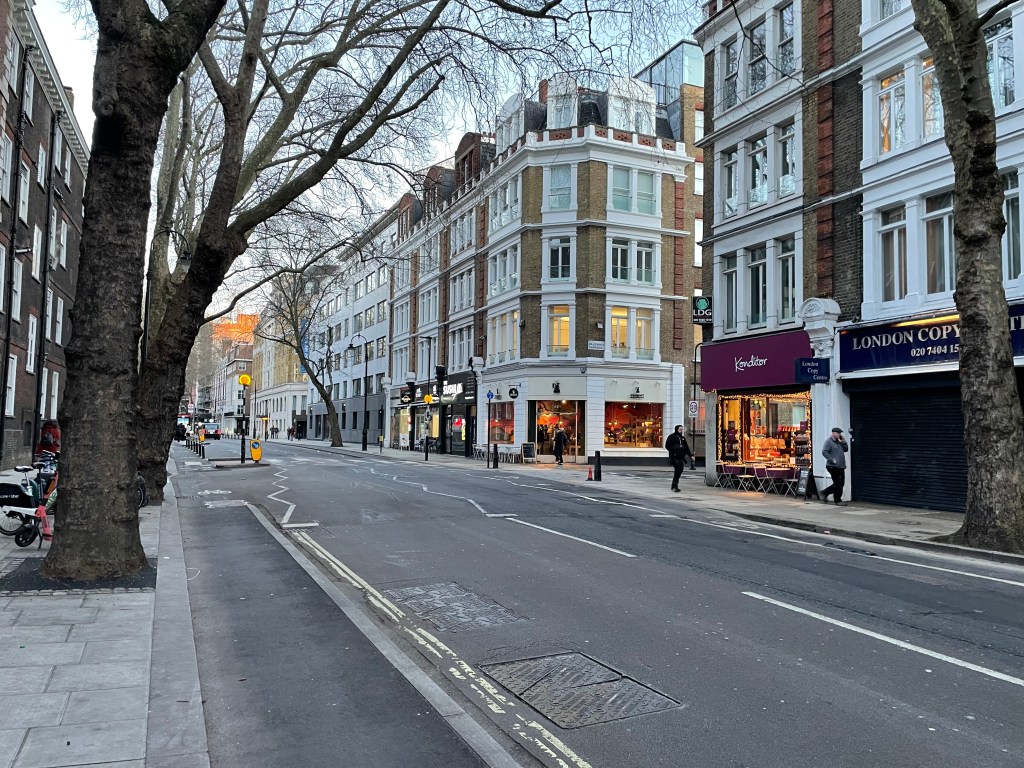
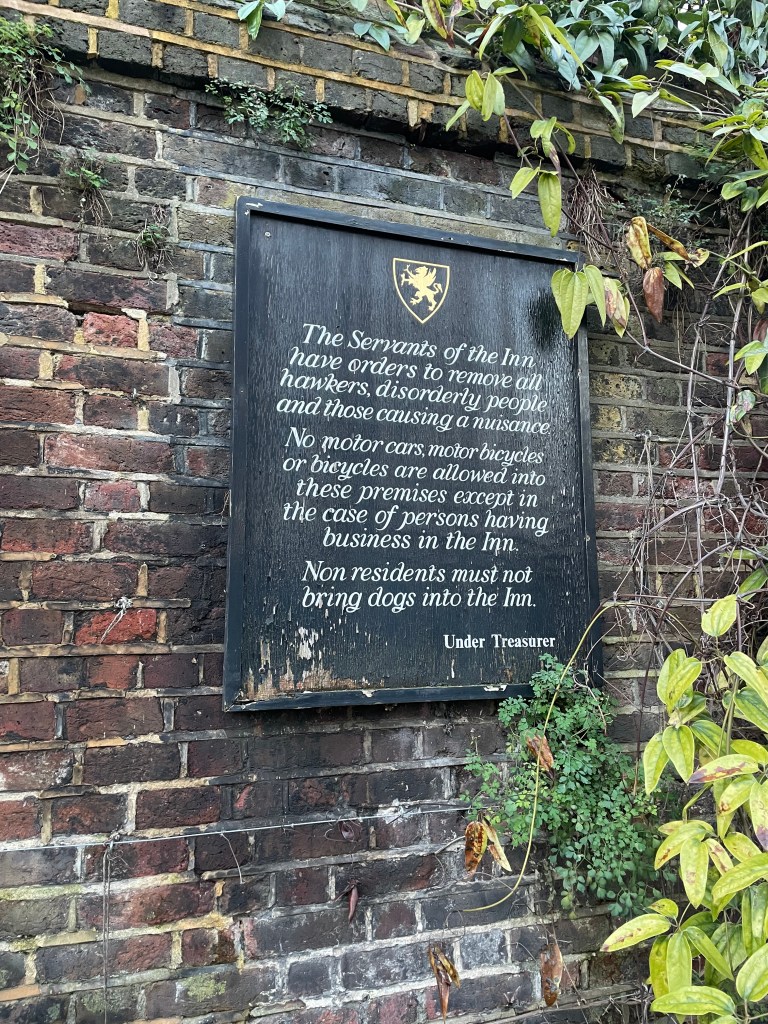


Earlier this week I went to London. While walking from Farringdon to Fitzrovia, I managed to take a few snaps of transport-related things. Including the beautiful facade of the entrance to Farringdon Underground station, walking and cycling infrastructure, and a sign warning potential miscreants to not be annoying. Enjoy.
📺 On the (You)Tube
Good transport infrastructure doesn’t improve the economy, nor does it make journey times faster. It connects people, and helps foster senses of shared experience and purpose. So when you see how the railway between Hanoi and Ho Chi Minh City in Vietnam helped reunite a nation, you realise what can make transport great.
🖼 Graphic Design

Source: Financial Times
Yeah, this graphic isn’t good. Climate records fell like dominoes last year. It was a gob-smackingly bananas year for global temperatures after all.
📆 See you later
Next Friday, I will be hosting the Scottish Rural and Islands Transport Community’s Cafe, starting at 10am (GMT). Taking over from the always-excellent Jenny Milne is no mean feat, but luckily I have Sharon Payne from Transport East and Jeff Pyrah from Rother District Council coming to talk about the excellent work they are doing in rural transport.
Please come along and join in the fun. And bring your own cake!
📚 Random things
These links are meant to make you think about the things that affect our world in transport, and not just think about transport itself. I hope that you enjoy them.
- Coming of Age and the Dawn of the Social Internet (New Yorker)
- Why the hovercraft’s time might finally have arrived (BBC)
- The Actual Louisiana Purchase Price (JSTOR Daily)
- The Questions in the Wake of Boeing’s Plug-Door Fiasco (Slate)
- Pokémon Scarlet and Violet could have been so much more (The Verge)
📰 The bottom of the news
Well done to Will Hayward of Wales Online on this brilliant expose of the online campaign to abolish the default 20mph speed limit in Wales. With key group moderators not just not living in Wales (unless places like Sunderland have been invaded while the English weren’t looking), but actively campaigning for 20mph zones where they live. The comments in the story are the usual dumpster fire, but the story itself is a thing of beauty.
👍 Your feedback is essential
I want to make the calls to actions better. To do this, I need your feedback. Just fill in the 3 question survey form by clicking on the below button to provide me with quick feedback, that I can put into action. Thank you so much.


 Mobility Matters