
Good day my good friend.
Finally, it seems that things are starting to brighten up. After being rained on for almost 3 weeks solid here in the UK, the weather seems to have turned brighter, although colder. My dogs have responded to the weather change – and now realising they can actually spend time outside in the garden again – by running 25 laps of the garden in succession. Usually with some high-pitched, excited barks to annoy the neighbours.
This of course means that when walking to get the train in the morning, instead of being rained on and getting cold while walking in the dark, I just get cold and walk in the dark instead. The joys of travelling in winter.
If you like this newsletter, please share it with someone else who you think will love it. The main way my audience grows is through your recommendations. I will love you forever if you do. 😍
James
😩 People remember when you suck
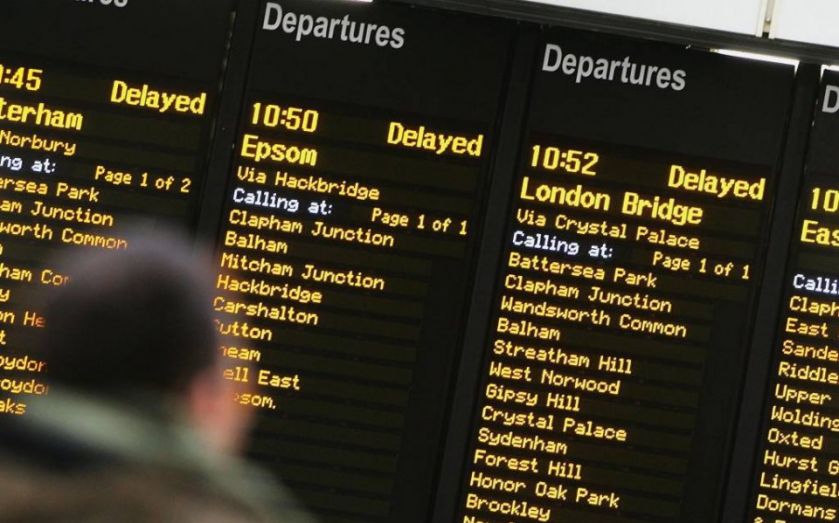
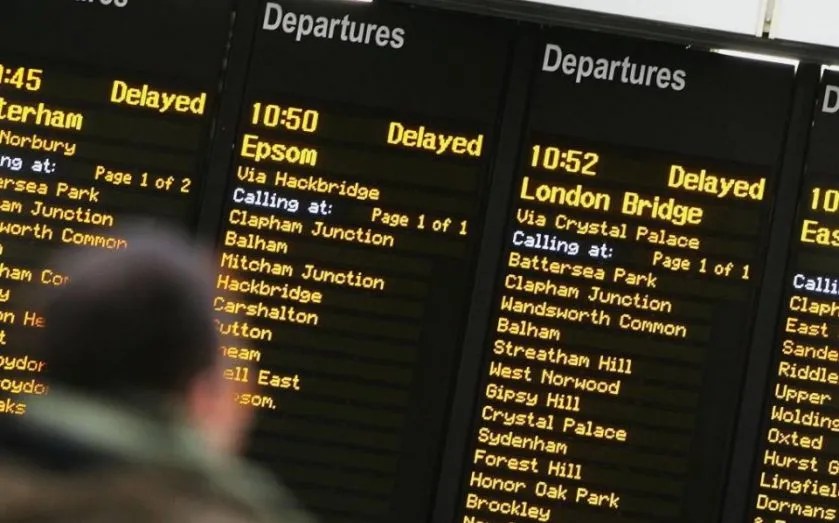
Over the years I have heard it so often. How the UK has the most reliable trains in Europe (probably not any more, but you can check out the latest performance figures from the ORR here). How the majority of buses run on time. Or how the majority of people are satisifed with their train journeys.
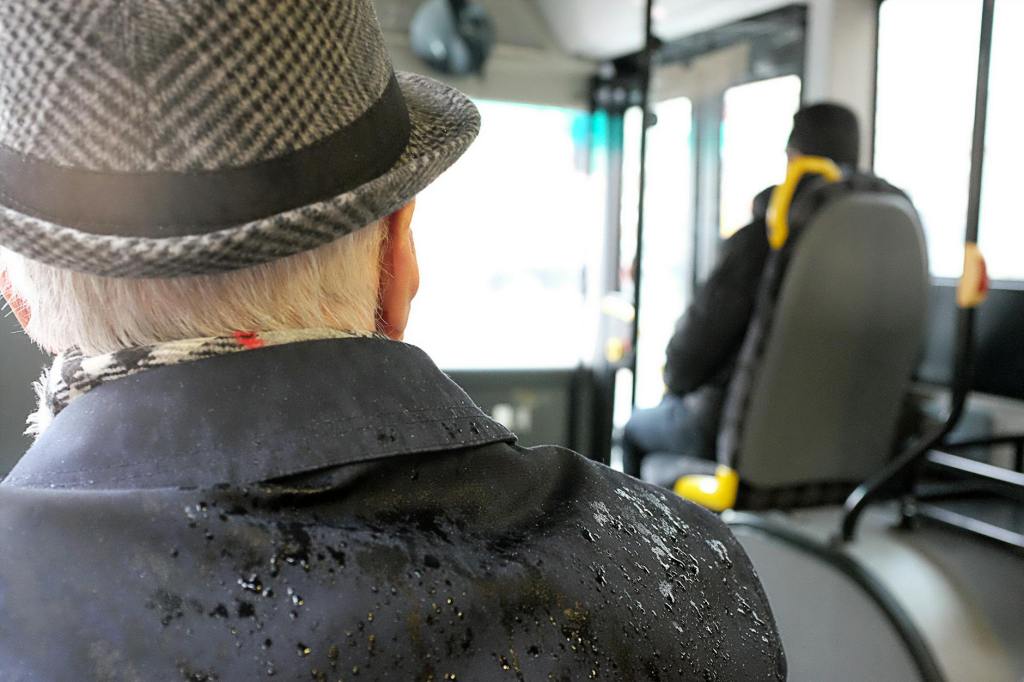
For what its worth, these figures paint an accurate picture of the operations of public transport systems. But they do not paint a picture of the passenger experience. This is for a very simple reason. It is proven that we, as people, remember bad experiences far more than we remember good experiences. The reason being is that these memories are fused with how we felt at the time. This has given us an evolutionary advantage (if we remember how badly we felt when something happened, we are less likely to do it again), but poses challenges when we are faced with facts that go against this.
More specifically, it is has been scientifically proven that we remember what specifically went wrong. In an interesting study, psychologists found that when a man on a street held a gun, people can remember the details of the gun and describe them vividly. But they struggle with the details of what the street was like.
Source: CityAM
Over the last few months, I have listen to stories from friends about their poor experiences of using various forms of transport. To name but a few, and without naming any names:
- How, when travelling between London and Nottingham, the train was cancelled at Kettering, and they were told that no onward travel would be provided. They remembered the sense of shared experience with other passengers in the taxi that they then had to hire between Kettering and Nottingham.
- How after a bus didn’t turn up with no indication that it was cancelled, cold the weather when they were put on hold by the bus company for half an hour when trying to find out whether the next bus would be cancelled.
- How a person felt abandoned after a member of station staff went to the ticket office to find out when the next train to Eastbourne was during some significant delays, and they did not return for 10 minutes.
The reason I say all of this is simple. For years public transport companies have pushed out messages about how buses and trains are reliable really (and they are, mostly). But the positive experience they provide when things go wrong could probably gain them more customers than anything else.
People will remember the member of staff who went the extra mile for them. They will remember how companies offered to pay for onward travel when things went wrong. They remember the free cup of tea they got while waiting for the next train. They also remember the rude member of staff, and how they felt abandoned when they were in need.
We need to remember all of this.
What you can do: To understand more about this kind of thing, I highly recommend reading the excellent Transport for Humans. Transport Focus reports also provide an excellent evidence base if you want to make the case for investing in customer care. If you are planning schemes that will involve creating some kind of customer facility, I highly recommend engaging Human Factors experts and Behavioural Scientists to help provide guidance on making for an excellent customer experience, specifically focussing on when things go wrong.
👩🎓 From academia
The clever clogs at our universities have published the following excellent research. Where you are unable to access the research, email the author – they may give you a copy of the research paper for free.
Fuel demand, carbon tax and electric vehicle adoption in India’s road transport
TL:DR – Reducing electricity prices and implementing a carbon tax will be good for EV uptake in India.
The effects of subsidising e-bikes on mode share and physical activity – A natural experiment
TL:DR – If you subsidise e-bike purchase, you could increase e-bike use by around 12%
Travel behaviour and multimodality: a conceptual framework and critical review of research
TL:DR – Yay, a framework. This one covers multimodality.
“Downs’s Law” under the lens of theory: Roads lower congestion and increase distance traveled
TL:DR – Do major roads reduce congestion even when reaching maximum traffic flow? Only when the city’s population remains the same.
✊ Awesome people doing awesome things
In a change from the usual format, I am going to shout out someone who is not working in transport. Specifically Alan Bates. My British readers will know of the huge scandal that has been ongoing involving the Post Office since the early 2000s. This has finally gone mainstream with the ITV drama Mr Bates vs The Post Office.
To summarise, a computer error (that the Post Office knew about and did nothing) reported losses at Post Office branches which were not real. The Post Office threatened Sub-Post Masters who run those branches, who had to make up the falsely-reported shortfall from their own money or be sent to jail. Hundreds went into financial ruin. Some were jailed for false accounting. Many suffered mental breakdowns and have never recovered. One even took their own life. None of this was due to fault on their part.
Post Office bosses, meanwhile, got bonuses, honours, and positions to advise government on policy. The CEO in charge at the time was even an ordained priest.
This scandal makes my blood boil. But without Alan Bates (and Private Eye), the exposure of it would not have happened. What a hero.
📺 On the (You)Tube
I’ve been wanting to go to Freiburg in Germany for years. This video is making me want to do this even more.
🖼 Graphic Design
Sources: Visual Capitalist and the World Economic Forum
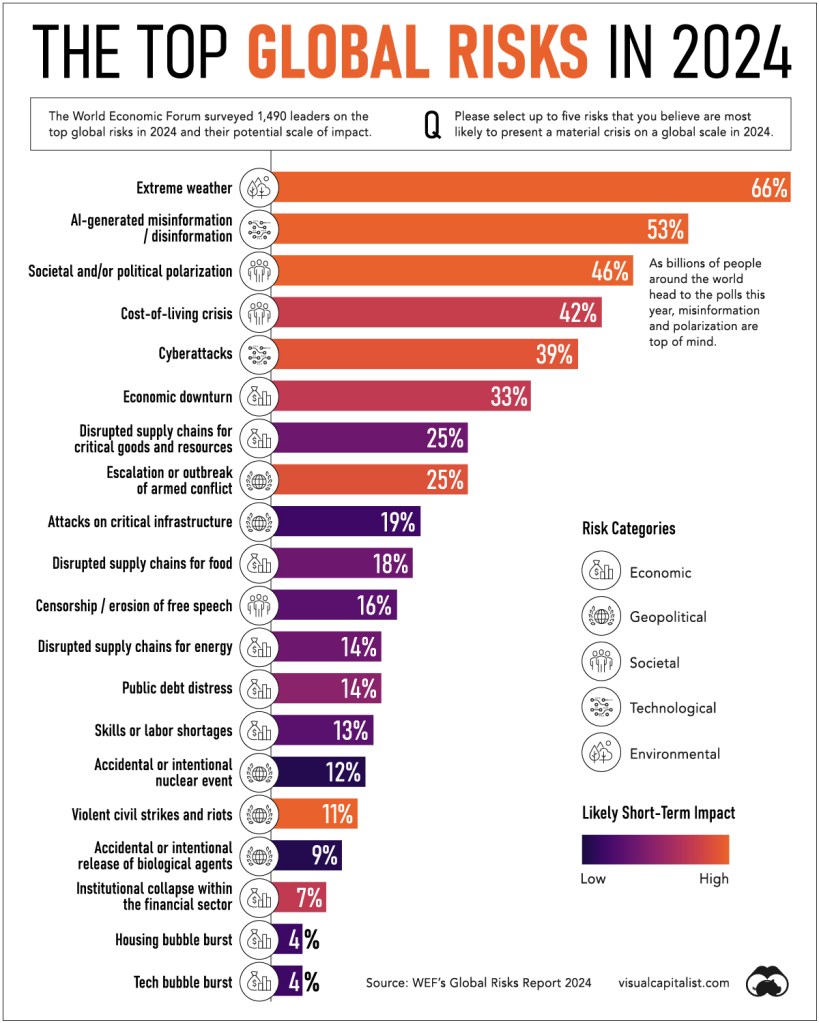
When they are not busy with a huge conspiracy to put us all in climate lockdown using traffic bollards, the World Economic Forum produce some good quality reports. And the Global Risks Report is a very good one. I do find it interesing how despite extreme weather being, by some distance, the risk that leaders are worried about the most, most of the reporting has been done on misinformation.
📚 Random things
These links are meant to make you think about the things that affect our world in transport, and not just think about transport itself. I hope that you enjoy them.
- Inside the online communities trying to preserve our digital memories (Dazed)
- The Mayor of England’s Steel City Plans a New Industrial Revolution (Bloomberg)
- The Hidden Worlds of Monopoly (Atlas Obscura)
- BRICS caught up with Goldman Sachs growth forecast a decade early, driven by India-China’s 25-yr streak (The Print)
- The Boeing 737 MAX and The Crash Of Capitalism (Indi.ca)
📰 The bottom of the news
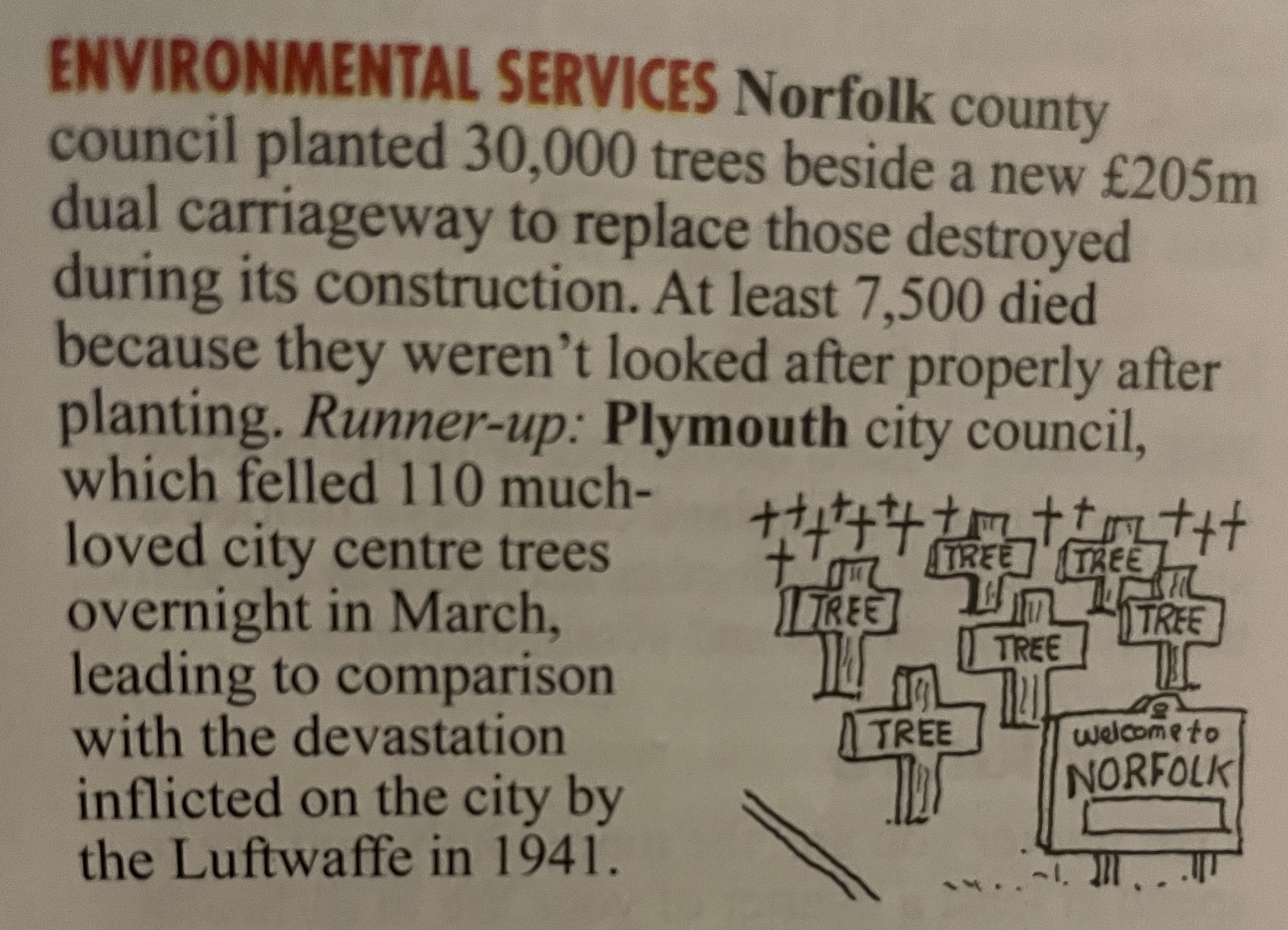
Some of you know that I am regular reader of Private Eye. Every month they write a section on local government and its various misdeeds, called Rotten Boroughs. This week’s edition had Norfolk (due to the actions of the County Council) and Plymouth (due to the City Council) get dishonourable mentions as you can see below. Oh dear.
Source: The print edition of Private Eye.
👍 Your feedback is essential
I want to make the calls to actions better. To do this, I need your feedback. Just fill in the 3 question survey form by clicking on the below button to provide me with quick feedback, that I can put into action. Thank you so much.
 Mobility Matters
One response to “😡 Bad Experience”
I am going to disagree with you over the Post Office scandal, James. Yes, of course it’s a scandal, and it’s only right that there is an investigation, compensation, exoneration. But for me the current uproar is worrying and saddening in that the issue has been in the papers for years, generally ignored by the public, and it’s its popularisation in a TV programme that has turned public opinion to an extent that the government can’t but take action. As a friend called it – almost mob justice. Who among common folk would actually recognise Alan Bates in the street? Who has taken an interest in finding out the facts? I feel similar post-truths occur in our own field – based on caricatures of the actual individuals involved – be that people in National Highways who sponsor the Stonehenge Tunnel – how can they sleep at night?; transport modelling consultants – obviously guns for hire without conscience; or lefty eco-warriors, gluing themselves to roads – don’t they have jobs to go to?
LikeLike