

Good day my good friend.
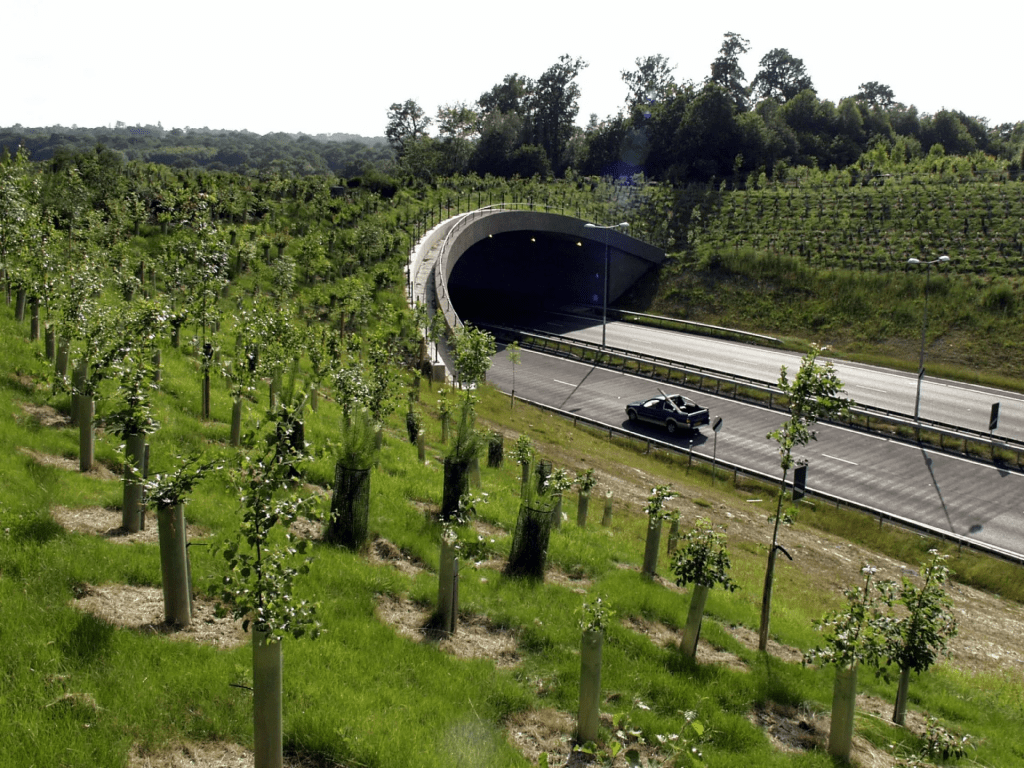
Badgers. Cute, furry, and they have an excellent publicist in Kenneth Grahame. Well, don’t fall for it – they are ferocious buggers, and they have delayed the opening of three stations on the Camp Hill Line in Birmingham. They will take over if given the chance. You have been warned…
If you have any suggestions for interesting news items or bits of research to include in this newsletter, you can email me.
Mobility Camp is taking place on 26th September 2023 in Birmingham. It would be great to see you there. Get your tickets now.
James
What would you pay to get out of a hurricane’s path?
Sometimes I scan research articles, and a title makes me wonder how on Earth the research got ethical approval. Then I read the article. And when an article is entitled ‘Estimating willingness to pay and costs associated with hurricane evacuation’ I know that this is the case. Luckily, this is a great econometric study not based on paying for a fast line to fly by the average folk on the freeway, but an indication of the measures people will take to get out of the path of an angry storm and pay for damage mitigation. In the words of the study:
“We have developed a methodology framework based on utility maximization theory and the lifecycle consumption model. This approach allows us to estimate the lower bound of individuals’ willingness to pay (WTP) to mitigate hurricane risks and calculate the associated cost-of-evacuation under both voluntary and mandatory evacuation orders.”
Spoiler alert: people are very willing to pay to get out of the way of a storm, and less so to take preventative measures.

Ports – good for the economy, but maybe not yours…
At the moment I am doing a fair amount of transport strategy work in the South East of England. One of the key factors to consider in such policy work in this part of the world is the economic importance of ports. Dover is the busiest roll-on-roll-off port in the UK and one of the busiest passenger ports in the world, while Southampton handles a lot of container traffic. Which leads to an inevitable question: do these ports add anything to the local economy?
A recent study in China says yes, maybe. It leads to a slight uptick in GDP at a local level. But if you are relying on a port to boost sales at local shops it won’t happen. Plus your manufacturing and service industries may take a hit at a local level. But ports tend to employ a lot of local people, so its all swings and roundabouts I guess.
Random things
These links are meant to make you think about the things that affect our world in transport, and not just think about transport itself. I hope that you enjoy them.
Why Human Societies Still Use Arms, Feet, and Other Body Parts To Measure Things (Science)
World Registers Hottest Day Ever Recorded on July 3 (Reuters)
Cops using self-driving cars as surveillance cameras on wheels (Jalopnik)
Google Says It’ll Scrape Everything You Post Online for AI (Gizmodo)
Finding Geolocation Leads with Bellingcat’s OpenStreetMap Search Tool (Bellingcat)
Something interesting
The French are pretty good, aren’t they? They saw that planes were becoming a thing and asked – how can we make trains go faster. The result? The TGV.
If you do nothing else today, then do this
Something for my British followers here, but say thank you to the NHS on its 75th birthday. I’m not one for overt patriotism, but this flawed but wonderful institution is one of this nation’s greatest creations. Oh, and its finally prescribing cycling to improve physical and mental health.



 Mobility Matters