
Good day my good friend.
Even the most avid of public transport fans complain about buses and trains. A lot. Only because we want others to love them as much as we do. But I am writing this introduction while going over the Denby Dale Viaduct, and I can say this now. Trains aren’t half bad, you know.
If you have any suggestions for interesting news items or bits of research to include in this newsletter, you can email me.
James
Suburban buses – an essential pain
One of my favourite blogs is London Reconnections, as they do the miraculous thing of making something that is extremely geeky accessible. As is the case in point with their analysis of London’s planned ‘Superloop’ bus service through many of the London suburbs (I also recommend Diamond Geezer’s analysis of the same if you want to get your bus geek on). And it is suburban buses that I wanted to touch on – namely why is it so hard to run then well.
At a fundamental level, it boils down to this. Suburban buses suffer from the same problems as urban buses (traffic, especially in smaller town centres) without the benefits (greater concentration of passengers). This is because both the population and the trip generators are more dispersed in suburbs compared to an urban core. Accordingly, buses generally are either services supported financially, or focussed on radial corridors with high flows. A classic trade-off between ridership and coverage. So, what to do?
The bus planners among us will say one thing: focus your services where ridership would be highest. Boost frequencies on key corridors, which will driver ridership on them. Its been proven since the 1970s. Maybe establish a grid network if you can (which London seems to, belatedly, be getting around to). Good in a commercial and reducing subsidy sense, and arguably in benefitting the most people. But it misses out a key thing.
That is: what do you want buses to do? Provide access? Serve as many people as you can? Arguably both, but there are limited resources to do this, so trade offs must be made. Or maybe we should look outside of the bus-only box, and look towards a wider public transport network and the buses role in it. Buses are often seen as the workhorse of public transport that able to do everything. Maybe we should think about what it is good at as part of a public transport network, and not just on its own. That way, maybe the suburbs can get good public transport after all.
Graph of the Week

Believe it or not, more and more people are coming online for the first time every day. An additional 27,000 people per hour to be exact. That is…astounding to think of.
Random things
These links are meant to make you think about the things that affect our world in transport, and not just think about transport itself. I hope that you enjoy them.
Downtown LA’s Office Distress Shows the Pain Coming for Cities (Bloomberg)
Ozone Treaty Delayed Arctic Melting by 15 Years (Scientific American)
How Will We Know When Self-Driving Cars Are Safe? When They Can Handle the World’s Worst Drivers (Wall Street Journal)
People, not search-engine algorithms, choose unreliable or partisan news (Nature)
Making democracy safe from capitalism (New Statesman)
Something interesting
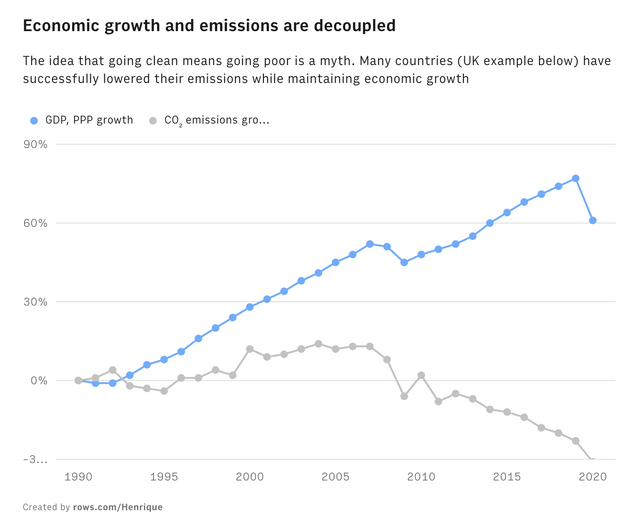
When you see things like this, you get a bit of hope that we might be able to save ourselves from climate change. Almost.
If you do nothing else today, then do this
POLIS have published a report on the Gender balance in the transport sector with an associated toolkit. You should check it out. And check out the always-excellent GET-IT at the same time. And do some of things they suggest. No pressure.


 Mobility Matters