

Good day my good friend.
While I have your attention, a reminder on a couple of things. First, next Monday is the 37,292,644th public holiday during May here in the UK. So no newsletter, sorry. The week after that (commencing 5th June) I am moving house, so all week you get a load of specials sent to you for you to enjoy. Right, business done. Onto the newsletter.
If you have any suggestions for interesting news items or bits of research to include in this newsletter, you can email me.
James
They paved paradise, and put up a solar farm
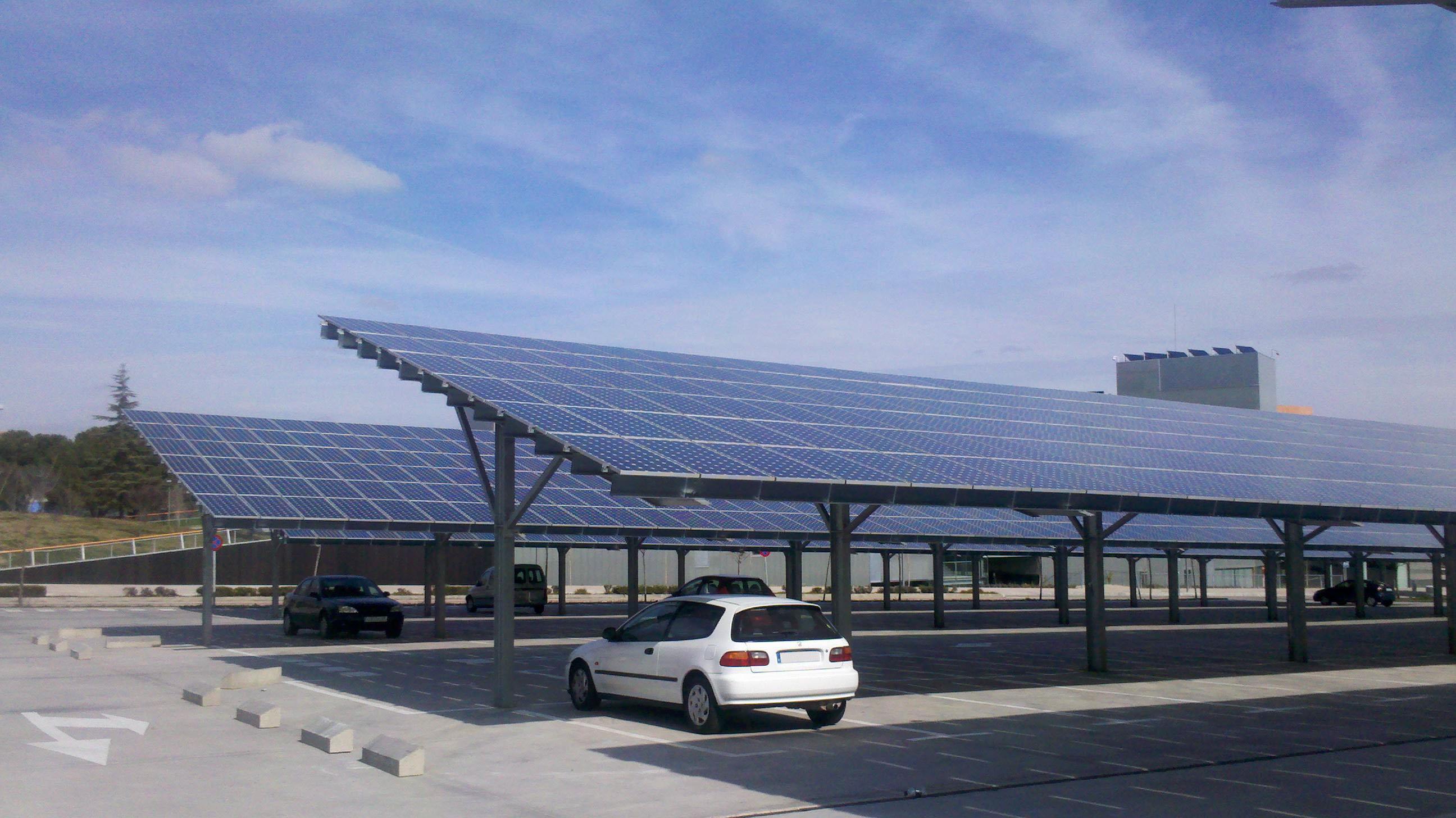
Doesn’t have the same ring as the Joni Mitchell classic, does it? But we all know that parking takes up an insane amount of land. And if you don’t know that, I highly recommend familiarising yourself with the works of Donald “The Shoup Dogg” Shoup as soon as you can. Ideas for repurposing car parking space have ranged from providing small scale natural habitats to re-use for food provision. But how about for the current revolution in energy generation, namely the humble solar farm?
This is getting traction. France recently approved a law that says that car parks with more than 80 spaces should be covered by solar panels. And a new report by UCL has shown that there is huge generation potential in putting solar panels over the top of existing car parks in urban areas. Its an idea that has potential, and is certainly better than the heat island effect of lots of concrete being exposed to the sun. Lets wait and see how all of this pans out.
“You’ll like it once you try it”
Words spoken by every parent to their child at some point in their life. And an unwritten of unpopular transport policies since the dawn of time. The poster child of this being the Stockholm congestion charge, but more recently applied to Low Traffic Neighbourhoods as well. And so many other transport policies that I could spend all day writing them.
This excellent summary of why people eventually come around to unpopular transport policy ideas touches on an obvious point – that of loss aversion. A common idea in behavioural economics, this is where people seek to avoid potentially losing even if the potential gains are greater. Or in common language, people feel the pain of loss more than they do the joy of gain. Knowing this concept is important, as it can help to design behavioural campaigns and initiatives to overcome it. And ultimately deliver change.
Random things
These links are meant to make you think about the things that affect our world in transport, and not just think about transport itself. I hope that you enjoy them.
Imagine a Renters’ Utopia. It Might Look Like Vienna. (New York Times Magazine)
How far should the government go to control what your kids see online? (Vox)
Revenge of the orcas? Killer whales have sunk 3 boats in unusual attacks. (SF Gate)
Wendy’s latest test will have robots deliver food orders through tunnels (The Verge)
1978: Timing is everything (BBC Archives)
Something interesting
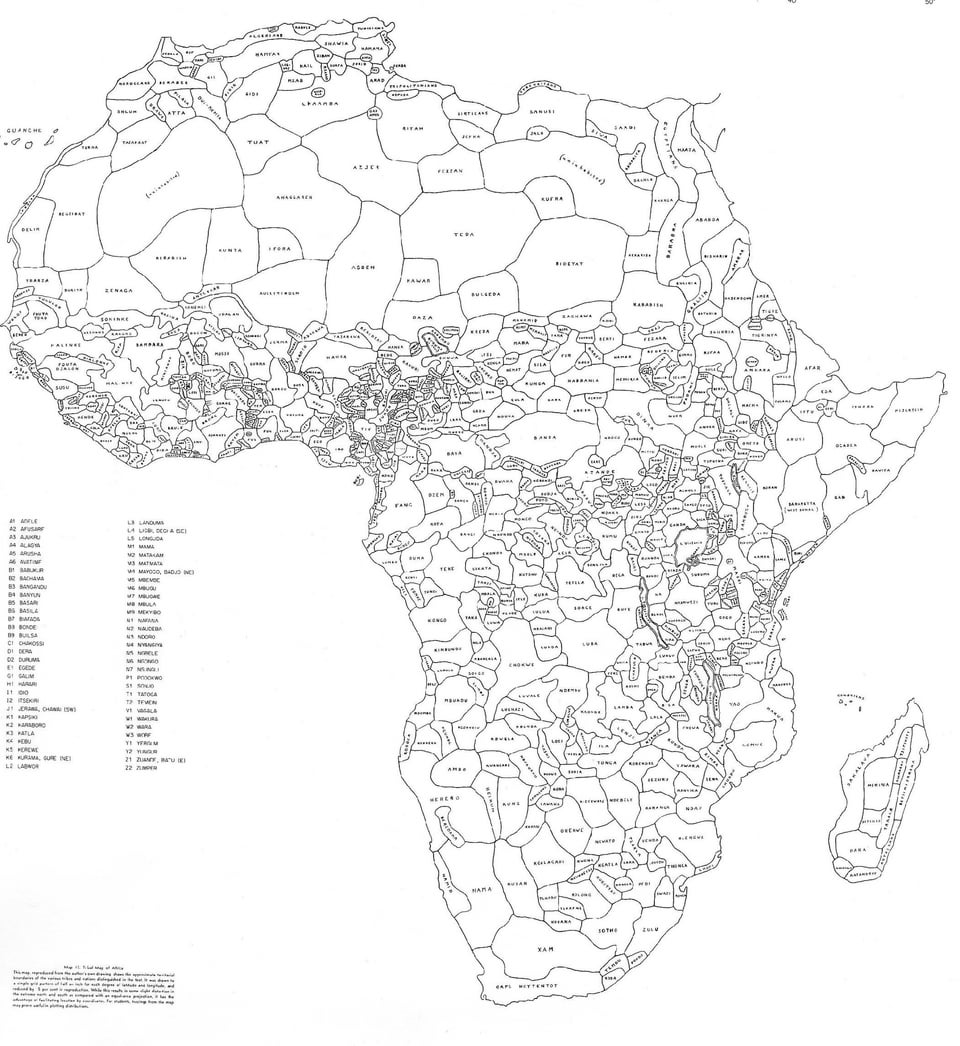
Its amazing how much borders influence transport planning – through actual obstructions and governance. But most are arbitrarily drawn, and historically by a British guy who drew it in an afternoon and thought “well, how much can these borders matter really?” So this map of divisions of ethnicity in Africa is really interesting. A map defined by identity more than resources, politics, and a bored, rich, and probably drunk British guy.
If you do nothing else today, then do this
Read this brilliant report from the Geospatial Commission on using mapping and data science to support land use decisions. The world of geospatial data has come a long way.


 Mobility Matters