

Good day my good friend.
I have a feeling that this week is going to be a week of short introductions, apart from yesterday’s sales pitch of course. So let’s get straight to it, then.
If you have any suggestions for interesting news items or bits of research to include in this newsletter, you can email me.
James
The Treasury Strikes Again
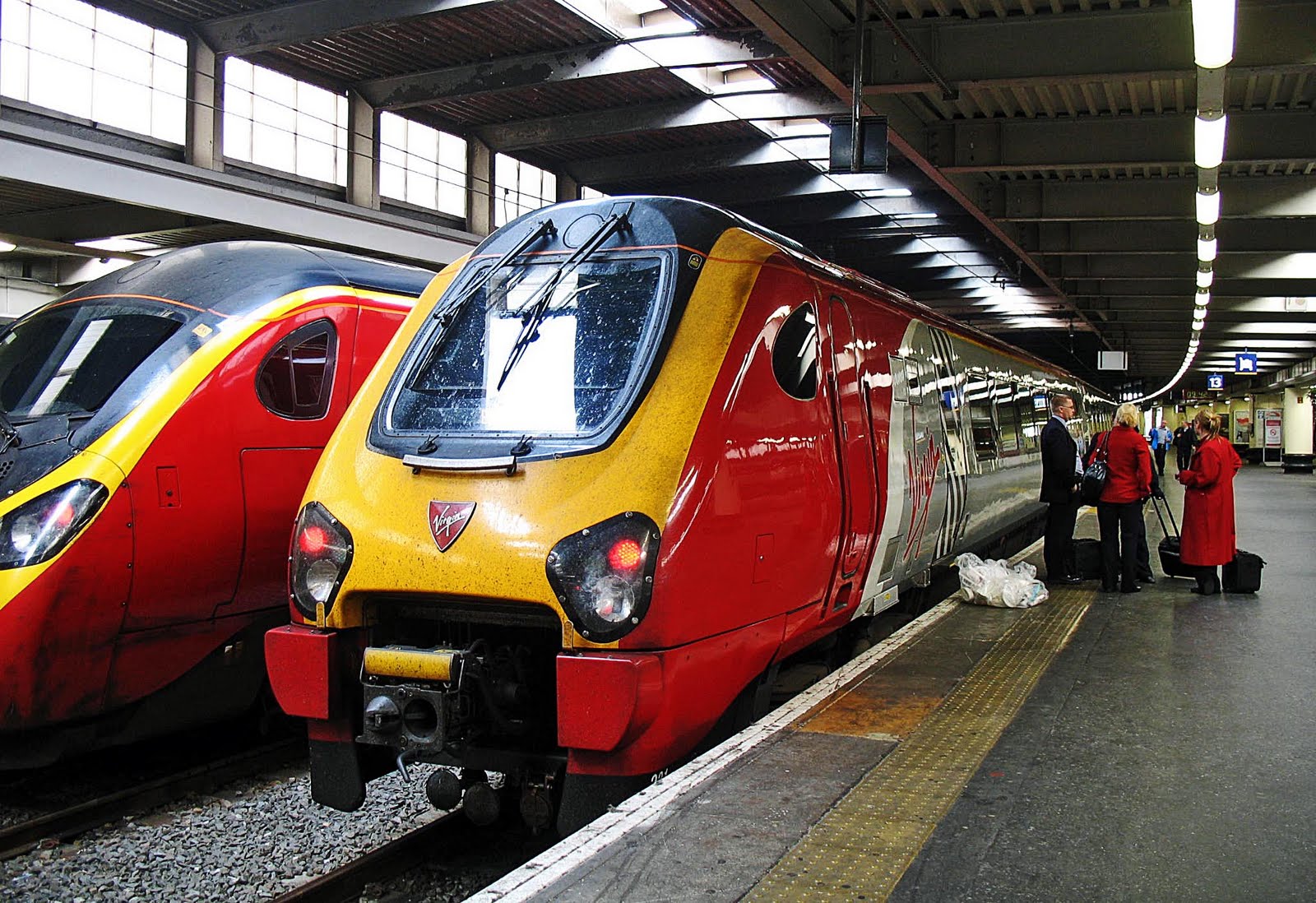
I’m no fan of on-train WiFi. Its as reliable as my home WiFi, and if any of you have been on a video call with me, you know how bad that is. But, its a service that has a value in just being there. Naturally, in a cost-cutting move, the Treasury – sorry, I mean the Department for Transport – has decided that WiFi on trains is bad and should be phased out. Christian Wolmar’s podcast on it is where the story broke, and judging by my WhatsApp its gone down about as well as being punched in the face. But, how important is it really?
Surveys have shown that using the internet on trains is a very popular activity. To the point where the impact on subjective values of time (translation: how we value time in an economic sense, the greater the saving the better) is a significant reduction. But, compared to other things like trains running on time, WiFi is a lower priority. This is to be expected. If you think of it as a hierarchy of needs, the trains turning up and being reasonably priced are important. While the WiFi has a great value associated with it in terms of being self-actualising (when it works). So, another classic example of Number 11 Downing Street knowing the price of everything but the value of nothing.
Digital Twin Bingo
As much as this new research article on how digital twins can be applied to intelligent transport systems set my Bulls**t Bingo Card going, its intervention is a welcome one by applying Digital Twins to an actual problem. For those of you unfamiliar with the concept, a Digital Twin is effectively a digital counterpart of a real world “thing.” I won’t go into whether a transport model is a digital twin or not, but the fundamental idea of testing new ideas and changes in a digital world is similar.
The challenge with them is not just one of definition, but of applicability. This article mentions numerous good examples of how this can be adopted in the world of intelligent transport systems, but these are potential use cases to be adopted alongside other established technology. This article applies it to an actual problem of crunching numbers. Less concepts, more number crunching and real world examples. Lets stop the consultants making lots of money off digital twins.
Random things
These links are meant to make you think about the things that affect our world in transport, and not just think about transport itself. I hope that you enjoy them.
Trust and public policies (Bank of International Settlements)
OpenAI CEO Predicts AI Will Someday Give Birth To Twins, Their Names Will Be God And Satan (The Onion)
What was “shared” in the sharing economy? (Overshared)
Who Gets to Decide What “Being Neighborly” Means? (Antiracist Dietician)
The crackdown on risky chemicals that could derail the chip industry (Financial Times)
Something interesting
Moore’s Law has been a constant behind the technological revolutions of the last 50 years. But now, it is coming to its end. This video explains why. And the implications could be big.
If you do nothing else today, then do this
Good friend Eivind Jamholt Bæra and his colleagues have been doing some work on Scenarios for sustainable mobility in Norwegian cities towards 2050. This webinar is a very good primer on scenarios and the work that they have done so far. They have also done a webinar on models, methods, and mindsets. Both webinars are very relevant and worth watching.



 Mobility Matters