
Good day my good friend.
I could not help but smile at this article about arguably the most important photograph ever taken by anyone – Earthrise. The modern environmental movement effectively owes its existence to this photograph. And its a stark reminder of, in Carl Sagan’s immortal words, how we must protect our pale blue dot.
If you have any suggestions for interesting news items or bits of research to include in this newsletter, you can email me.
James
Bus franchising is building up a head of steam
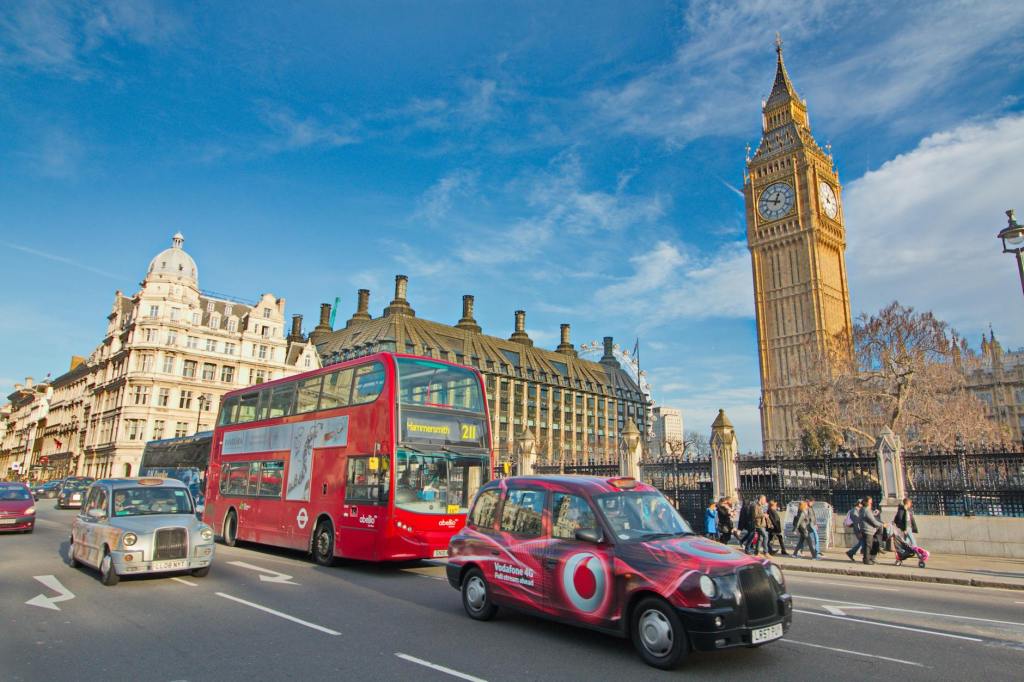
Hot on the heels of nationalisation news on the railway yesterday, in Liverpool plans have been published to bring buses back under public control through franchising. Following hot on the heels of their neighbours just down the ship canal in Manchester. For those of you wondering why this is important, outside of London buses in the UK are at the whims of private operators (yeah, I know). But franchising under the Bus Services Act 2017 is a way of bringing them back under public control, like it is in London.
Will it work in turning around bus passenger numbers? Truth is, we don’t know. People often point to the (relative) success of London and say “franchising is the answer,” when in fact what is needed is a whole policy package to encourage people to get back to buses. A public bus stuck in traffic is the same thing as a commercial bus stuck in traffic after all. But, if you believe in buses being a public service – and arguably they are – this trend in the UK is a good thing.
Escalating capacity
Having recently passed through London several times, you forget quite how common escalators are. Yet they play a huge role on the capacity of stations across the London Underground. This is ably demonstrated by the fact that one of the Underground’s oldest customs – stand on the right and allow people to pass on the left – actually REDUCES station capacity. Nor will simply making the escalators faster increase capacity either. So, what is going on?
The simple fact of the matter is that there are a lot of variables that determine the capacity of escalators. Just to list some of them, the speed of the escalators, the geometry of the approach, the position of ticket gates, the mix of standing and walking passengers and at what speeds they walk, distance from the platform, and the total number of passengers. Individual escalators are highly variable in their capacity, and this has a huge impact on the capacity of stations. So if anyone gives a simplistic solution to reduce crowding on escalators – treat it as simplistic.
Random things
These links are meant to make you think about the things that affect our world in transport, and not just think about transport itself. I hope that you enjoy them.
New Water Treatment Zaps “Forever Chemicals” for Good (SciTech Daily)
It Is Long Past Time to Retire the Oldest, Dumbest Debate in Literary History (Slate)
The UK’s Secretive Web Surveillance Program Is Ramping Up (Wired)
Farmers Set to Abandon US Wheat Crops at Highest Rate Since 1917 (Bloomberg)
Narrative over numbers: Andreessen Horowitz’s State of Crypto report (Molly White)
Something interesting
Ever wanted to see what it is like inside a railway icon? This great video looks inside such a thing – the Japanese Shinkansen.
If you do nothing else today, then do this
Read this brilliant report by Greg Marsden on the realities of the UK government’s carbon reduction policies in transport. Warning: a stiff drink is needed.


 Mobility Matters