

Good day my good friend.
Well, that was a nice long weekend, wasn’t it? A chance to relax for a little while, maybe take a nice day trip out to somewhere new. My weekend mainly involved a flat packed shed, screwdrivers, and a book, but you can’t have everything I guess. Still, work beckons. Unfortunately, John Maynard Keynes’ prediction of a 15 hour work is not there yet.
If you have any suggestions for interesting news items or bits of research to include in this newsletter, you can email me.
James
The Politics of Protest and Transport
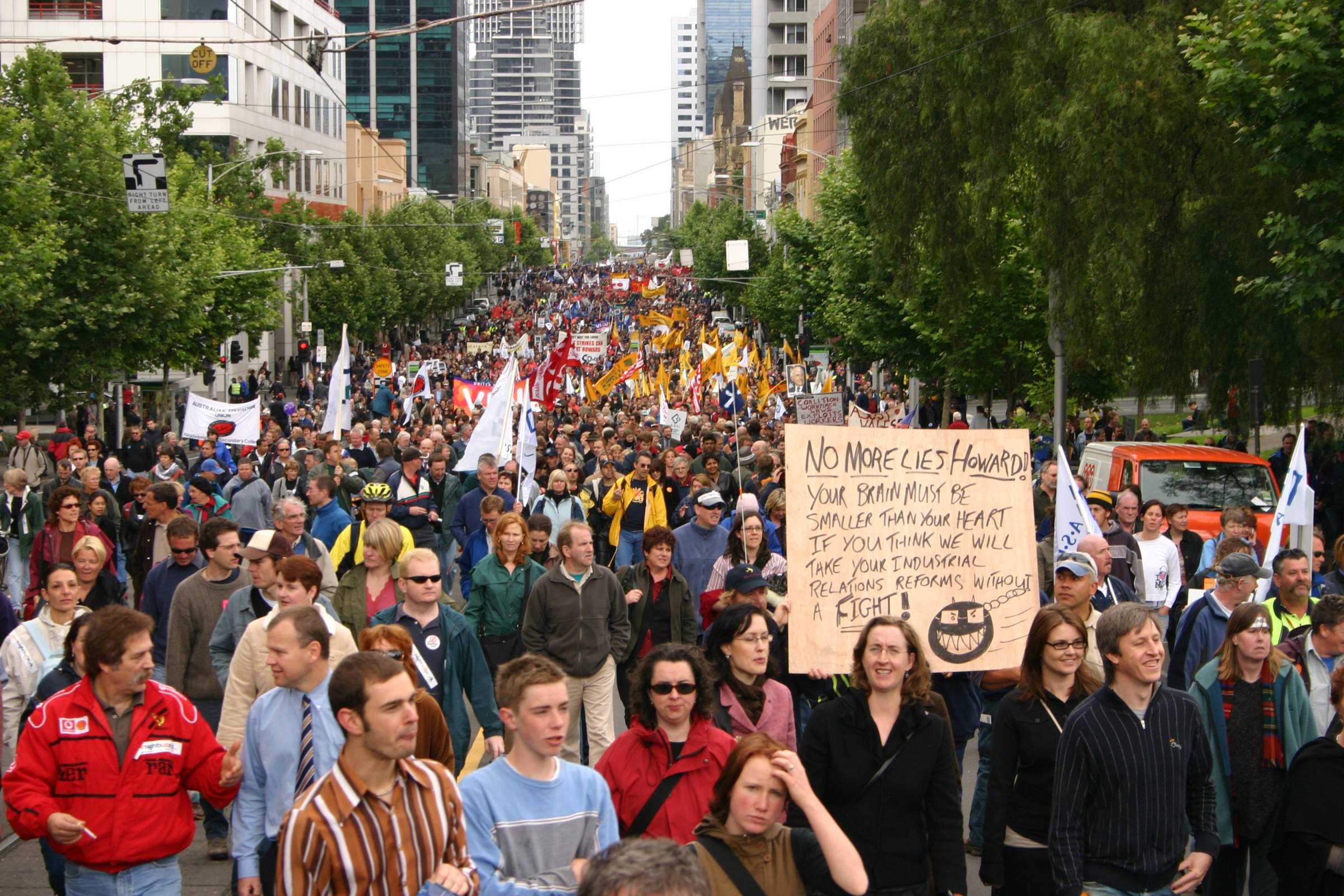
Yep, this is going to get political. In the last week, the UK gave Royal Ascent to the Police, Crime, Sentencing, and Courts Act and the Public Order Act. Described as a curtailment on civil and political rights by the UN, this can only be described as basically giving the power to the police and the Home Secretary to break up protest that causes a nuisance. Naturally, the Metropolitan Police set straight to work with these powers. Funny. as being a nuisance is kind of the point of a protest. And a big part of this nuisance, as complained about by the hapless “30p Lee” Anderson MP, is the obstruction of the highway. With people getting delayed by protests.
As highway engineers, we know protests cause disruption to the highway. I repeat, that is the point of them. Transport and protests have long gone hand-in-hand, and it saddens me to see TfL wanting to stop this sort of thing happening. Its times like this where professional and personal judgement need to be as one. And for me the case is clear. Sod the delays and disruption. The right to protest is sacrosanct, and so long as the protest does not cause a clear and present danger to safety, it must be allowed. To support protest crackdowns under the guise of ‘minimising disruption’ is to walk down a very dark path.
Model bikes
Putting bicycles in transport models has long been a challenge. I mean, it is possible, and there has been substantial research into the issue. But in the past the matter has been plagued with issues. A notable one being understanding the human behaviours inherent in the model (in short, many transport models are based on behaviours observed from drivers, whereas people on bikes may behave differently). Some bicycle-specific modelling has been undertaken, but the field is still complex and evolving. This is all important, because if we want to make the case for more bikes everywhere, we have to make a somewhat informed decision about behaviours and impacts on the transport network.
Adding to this complexity is e-bikes. And the associated question of whether their users are sufficiently unique to be modelled on their own or as a use case within existing models. Some exploratory research has been undertaken of existing models, to which the conclusion is: do more research. More specifically, little work has been done to differentiate e-bikes, and until that is done, how can we tell if they are different in terms of what is needed for good modelling work? But there may be potential for it in terms of including factors such as physical exertion in route choices, and identifying groups more likely to take up e-bikes. Watch this space.
Random things
These links are meant to make you think about the things that affect our world in transport, and not just think about transport itself. I hope that you enjoy them.
A High-Tech Heist at the British Museum (New Yorker)
The Dynamics of Team Learning: Harmony and Rhythm in Teamwork Arrangements for Innovation (Administrative Science Quarterly)
How Scotland plans to rewild its seas (National Geographic)
Nobody Knows Anything, FedWatch Edition (The Big Picture)
Something interesting
I agree with one of the comments in this video. London is essentially a bunch of accidents from different eras that somehow managed to stitch itself together into a megacity using its public transport network. This made me feel more patriotic than Charlie’s fancy bash on Saturday.
If you do nothing else today, then do this
If you want some ideas on how to tackle the housing crisis, there are some useful lessons to learn from New Zealand. Especially building houses around train station. Sadly, they still have a housing crisis, but at least their planning is based somewhat on evidence as opposed to the needs of the curtain-twitchers in the rural shires like British planning policy is.

 Mobility Matters