
Good day my good friend.
There has been a lot of talk over the years of the impact of road traffic violence on victims and communities. The thing is with victims, is that they can emerge from the most unlikely of places. I challenge you to read the story of this person who did not wear a seatbelt in a crash, and the lasting impact it has had on their life. It is often easy to judge, and hard to take the road of understanding. But we need to walk that road occasionally.
If you have any suggestions for interesting news items or bits of research to include in this newsletter, you can email me.
James
Why it is hard to deliver EV charging in some places
This article in the Daily Yonder on why the Dakota’s and Wyoming have the lowest rate of EV charging point installations in the US skirts around an issue but doesn’t quite answer it: why do some areas install more charge points than others? Its a pattern that we have seen in the UK too, where Northern Ireland and North West England lag behind. I mean, the reason why can’t just be down to politics, right?
Politics helps to set the vision – that in some cases can influence where the funding goes. A significant part of the reason is pure economics – with charging infrastructure being market led, so charging point providers won’t install in areas with low population density without subsidy. Interestingly, the complexity of market stakeholders also plays a role. And, only to some degree, do politics and charging behaviour play a role.

Moving the citizens of the Kingdom
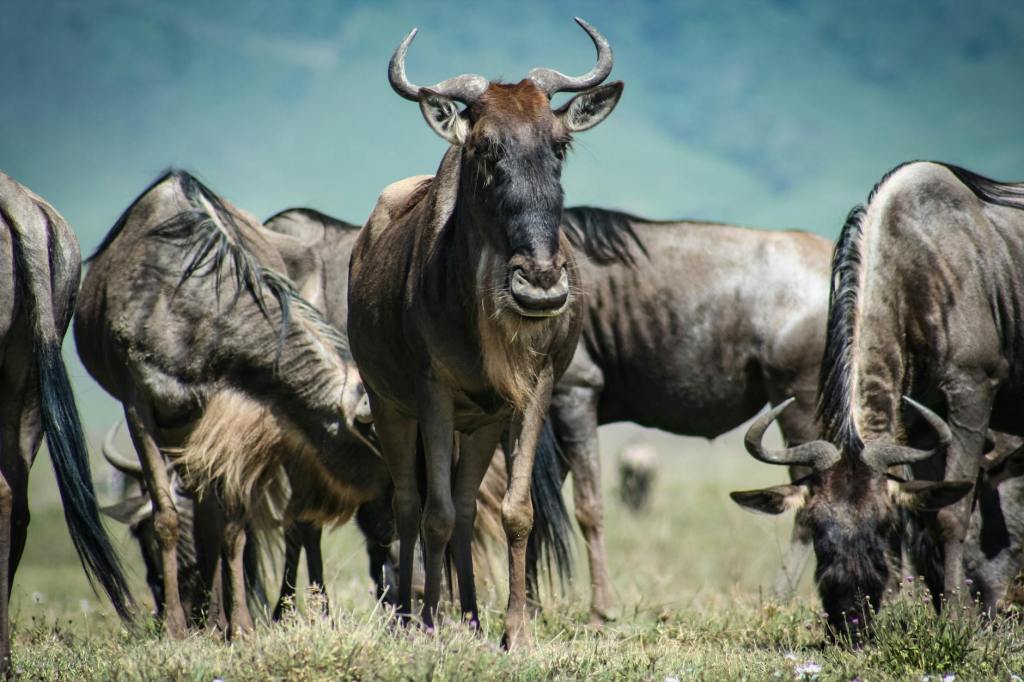
Let’s be honest. Animals are better than humans. I don’t mean that in a pessimistic environmental sense, but they just are. So much so that the standards for transporting live animals in the UK are better than those faced by many commuters. During the 1990s, the UK exported millions of live animals, despite the ban on beef exports. So why should we not be interested in their mobility?
This highly theoretical article on animal mobilities in South African cities starts to look at just this. In short, animals can reflect the transport patterns of humans (e.g. dogs and their owners), animal legislation can reflect the development status of a place, and finally the transport of animals can reflect their cultural significance. For example, how the sacred cow is creating transport havoc in India. Its a bit from left-field, but give reading the article a go.
Random things
These links are meant to make you think about the things that affect our world in transport, and not just think about transport itself. I hope that you enjoy them.
Where Financial Risk Lies, in 12 Charts (Wall Street Journal)
Why we need a new economics of water as a common good (Nature)
Is there any impact evaluation evidence on government policies for green technology adoption and innovation for firms in developing countries? (Development Impact)
How relationships between jobseekers affect labour market interventions: Evidence from Ethiopia (VoxDev)
In the Face of Extreme Floods, Rural Kentucky Lacked Forecasting and Broadband (Daily Yonder)
Something interesting
I like this video. Not because I hate the Brooklyn-Queens Expressway, but because it touches on the unsung hero of transport – maintenance. And the big, BIG problem we as a profession are facing with ageing assets.
If you do nothing else today then do this
This is a fun little tool where you get to compare the sizes of different countries compared to one another. Thanks to Aimee Whitcroft for sharing this with the world!

 Mobility Matters