
Good day my good friend.
This weekend, I spent some time shopping for some things for the new home. The sofa is knackered after 20 years of service, and so if we are heading to a new home, its best to put it out to pasture. To do so, I went to the joyous retail parks of Milton Keynes. And I have to say this, and it may be controversial. I don’t actually mind Milton Keynes that much. I can understand the hate that it gets, and its incredibly car-centric. But when people say ‘its not like a traditional town’ my answer is now ‘its not trying to be one.’ Now, I understand why those who live there actually like the place. A lot.
If you have any suggestions for interesting news items or bits of research to include in this newsletter, you can email me.
James

Articles of Faith
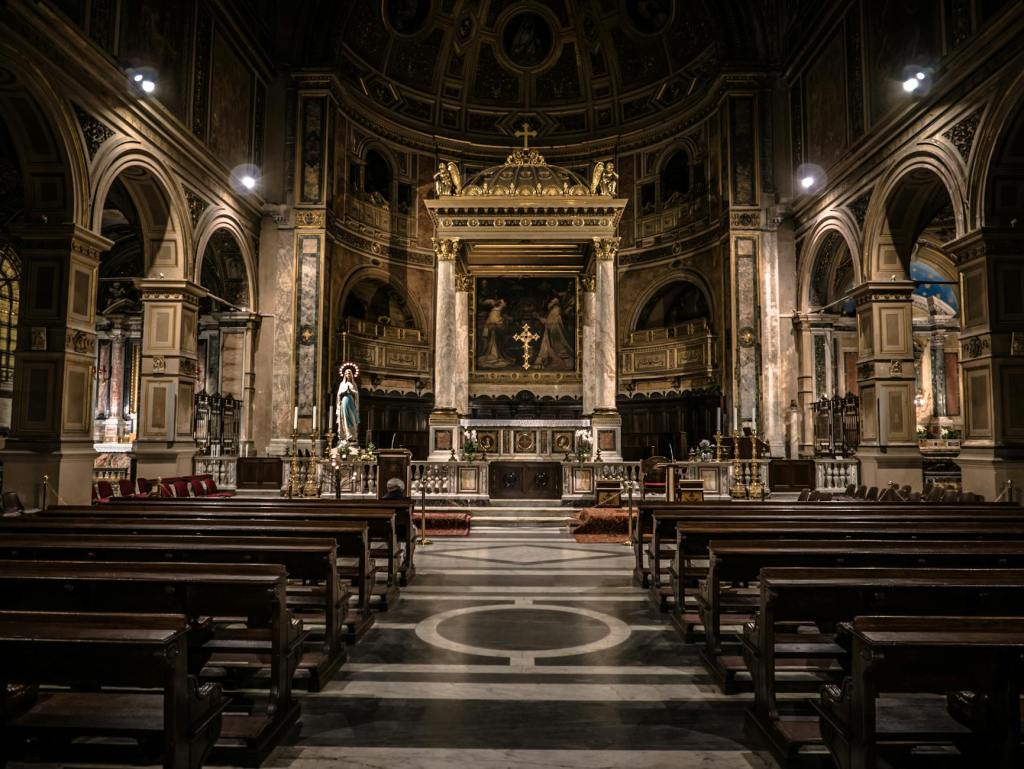
Never thought I would be discussing religion here. And before I start, I should state that my position on religion is agnostic, and if you want to believe in something without forcing it onto others that’s ok by me. But this CityFix article on the role of faith groups in sustainability caught my eye. Particularly on how faith groups are more trusted than government, and their often active work in supporting hard to reach communities. For instance, one of my local churches runs a food bank. Some even initiate projects like sustainable energy.
Maybe the power of prayer is something we take for granted? We think of religion often in terms of parking problems on Sunday’s or closing roads for religious festivals. But faith can bind communities and forge strong local links. If we are to enable community change, should we not engage with these pillars of the community? This is not enough to make this stubborn fellow go to church every Sunday. But it has made me think again about the role of religion in making a better world. Transport included.
Speeding fines don’t save lives
Some of you may be a bit mad at this. And while economics is not yet a science, the evidence in this article points to an uncomfortable fact: increasing speeding fines does not necessarily save lives. With the exception of economically disadvantaged areas, have seen a slight reduction in the number of accidents since speeding fines were increased in the UK. This is contrary to some stated preference evidence, so what is going on?
This may be associated with an economic phenomenon known as willingness to pay. In this instance – what are you willing to pay in a speeding fine to get where you need to quicker? This has been demonstrated when it comes to speeding, when evidence from Taiwan shows freeway users are willing to pay between $43 and $51 to exceed the speed limit. People in lower income areas may be less willing to pay an increase in the fine, while many others carry on speeding. So it would seem that just knocking up the speeding fine may not help. Perhaps it is time to try the Finnish model?
Random things
These links are meant to make you think about the things that affect our world in transport, and not just think about transport itself. I hope that you enjoy them.
Eroding trust and collaboration (Science)
Low-cost solutions to global warming, air pollution, and energy insecurity for 145 countries (Energy and Environmental Science)
On the History and Future of 100% Renewable Energy Systems Research (IEEE Explore)
BBC Centenary: 100 years of weather on the BBC (BBC Weather) – Note no mention of Michael Fish
The Myth of the Alpha Wolf (The New Yorker)
Something interesting
![r/dataisbeautiful - [OC] Relation between the square meter price of an apartment and distance from Notre Dame de Paris in Paris and Ile-de-France](https://mobilitymatters.io/wp-content/uploads/2023/12/f46f2-a8396785-9d48-43b0-9f66-a84584b590b0_768x599.png)
When I started my career, it was generally accepted practice that low prices for residential units could be found close to the city centre as suburbs were more desirable to live in. My God, how that has changed, with specific reference to Paris. Here is the link to the original article with the data.
If you do nothing else today, then do this
Good friend Beata Szoboszlai is sailing around the world. And in her latest blog, she demonstrates quite how hard it is (very). And how much the support of crewmates is important. Read her blog.

 Mobility Matters