
Good day my good friend.
What a day to choose to go into London for the evening. Whilst the evening with old friends was joyous, navigating overhead wires blown down on railway lines both heading into London and heading out of it was not as fun. Who would run a rail service in bad weather, eh?
If you have any suggestions for interesting news items or bits of research to include in this newsletter, you can email me.
James
Motorways can be good
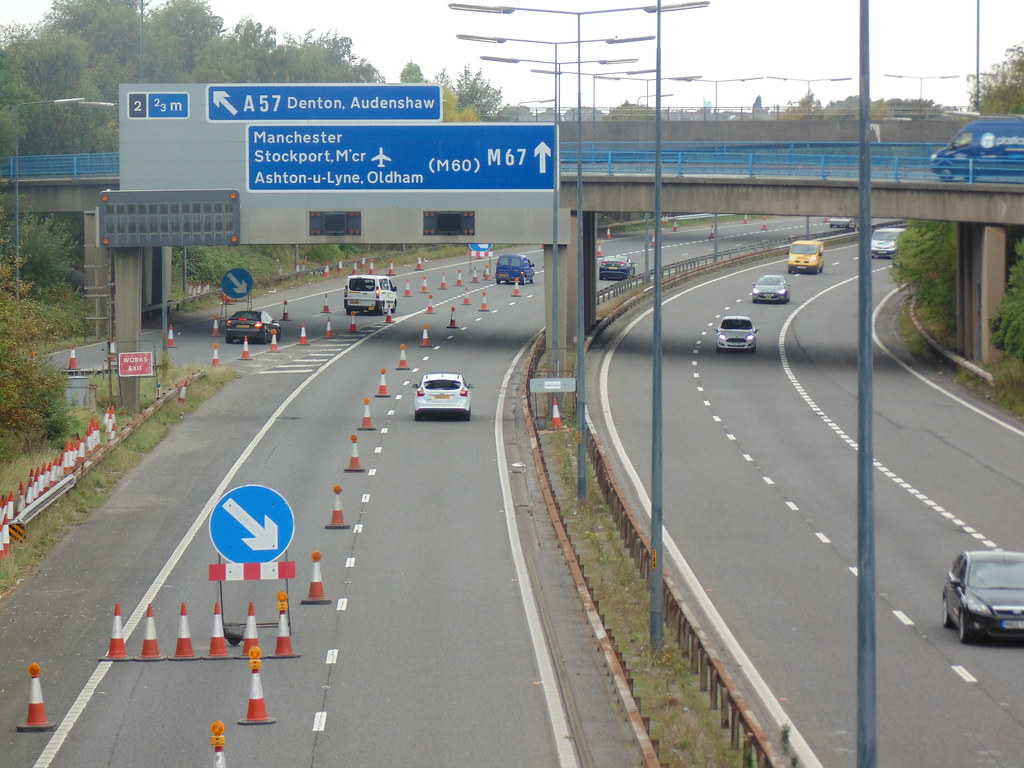
I committed a basic mistake recently. I argued with someone on the Internet. In a vain attempt to be cool, when mentioning the negative externalities of cars (there are plenty) on TikTok, they pointed out that the modern economy wouldn’t be here without them. Which is true. Whatever you think of the case for building more roads, motorways have a big economic impact. I mean, they can’t all be bad, can they?
Transport infrastructure has a huge impact on the shape and form of our cities. And this study of Portugal shows that for motorways it is no different. Interestingly, motorways in Portugal seem to have a concentration effect on cities, while simultaneously growing suburbs. There is a simple logic here. People are travelling further, from the suburbs, to do the same things in the city.
Deutschland macht es richtig
You may have seen the news that there is good news for public transport in Germany. The German government has approved the Deutschlandticket from 1 May, which will allow unlimited travel on regional public transport for a tidy sum of 49EUR per month. Subject to the Bundestag, Bundesrat, and European Commission giving the ok. While comparisons were made to the 9EUR a month for unlimited public transport (including intercity rail, which is excluded from the Deutschlandticket) delivered last Summer, this may actually be a case of a policy done well.
The 9EUR ticket was, mostly, successful. Very successful in fact. Super, wildly successful if you are looking at the climate impact. So, why the price increase? This shows the art of good politics. This price, still a substantial discount on current prices, was negotiated between the federal government and regional governments, who got stuck on the issue of who pays for it. All agreed it was a good idea, and the evidence showed it. So they worked on a compromise. And that compromise, on the surface at least, seems a good one. But there is only one way to find out. Get it passed, Herr Wissing.
Random things
These links are meant to make you think about the things that affect our world in transport, and not just think about transport itself. I hope that you enjoy them.
Cash, Cars, Chemicals (and Corn) (Phenomenal World)
The Demise of Silicon Valley Bank (Net Interest)
Central banks’ digital currency plans face public backlash (Financial Times)
Thanks to generative AI, catching fraud science is going to be this much harder (The Register)
Something interesting
![r/dataisbeautiful - Sex Ratio of China's One-Child Policy Generation [OC]](https://mobilitymatters.io/wp-content/uploads/2023/12/7fef6-1be528c6-49fa-4e10-8e94-c2a142881181_960x768.png)
What does China’s one child policy mean for transport? Think of how demographics influence travel patterns, especially between the genders. Then you can understand the impact of this policy on transport.
If you do nothing else today, then do this
Read this interesting article on scooter parking perceptions and interventions. A bit stated-preferency for my liking, but thought-provoking.



 Mobility Matters