
Good day my good friend.
Its March. So, naturally, the British weather decides to think its still the height of winter, and has dumped a load of snow on the country. Apart from where I live, which has had a frankly pathetic dusting that is worse than making no effort at all. Cue lots of articles about how to drive in the snow because we seem to forget every time, despite it snowing every year.
If you have any suggestions for interesting news items or bits of research to include in this newsletter, you can email me.
James

Crashes are bad for the environment
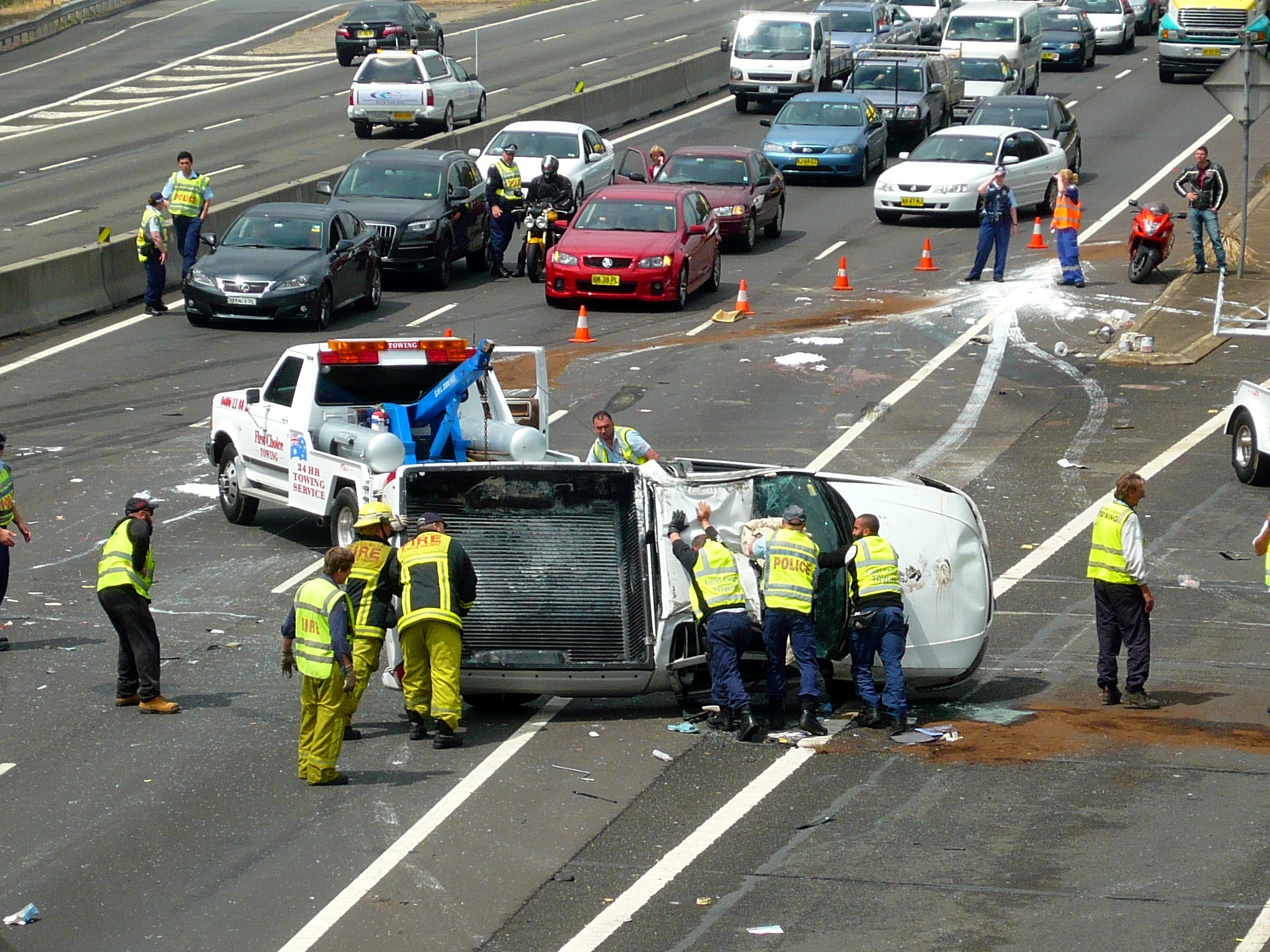
There has been a lot of work done over the years to investigate the impacts of road traffic collisions. The human toll is well known. We even have some data that estimates the economic impact of road traffic collisions. The long term health impacts are well known as well. None of this is particularly shocking, as this knowledge reflects the immediate impacts of a collision – on health and the economy. But what about the environment?
A new research paper tries to quantify this and provide an analytical framework for estimating the environmental impact of road traffic collisions. Including everything from fuel spills to congestion caused by rubbernecking. It is realised that collisions do have an environmental impact, but this is the first attempt I have seen at quantifying and studying the problem. Spoiler alert: collisions are not a good thing for the environment.
Dummies, no doers
Transport planning and engineering is a profession of doers. Give us some direction, and some money, and we will build most things. But this makes us vulnerable to a variation of the politician’s logic. Where the sheer act of doing something is valuable and therefore good, because doing nothing is unacceptable. This can lead to a place whereby doing something bad can be excused, because we didn’t do nothing is seen as worse.
The always-excellent Pedestrian Observations blog reflected on just this recently. Success is very, very easy to give the impression of, even if the project was a failure by almost any metric you apply to it. This is very bad for oversight and for learning how projects have or have not been successful. Understand the objectives, understand the challenges, and understand the issues faced during delivery. Then judge success for yourself.

Random things
These links are meant to make you think about the things that affect our world in transport, and not just think about transport itself. I hope that you enjoy them.
Workers’ Responses to the Threat of Automation (Naked Capitalism)
A Speculative Endeavor: Education has become an investment. But what are its returns? (Lapham’s Quarterly)
Addressing the challenge of photovoltaic growth: Integrating multiple objectives towards sustainable green energy development (Land Use Policy)
Can the West’s perplexing employment miracle continue? (The Economist)
One of Japan’s Most Revered Architects Says the World Should Build Less (CityLab)
Something interesting
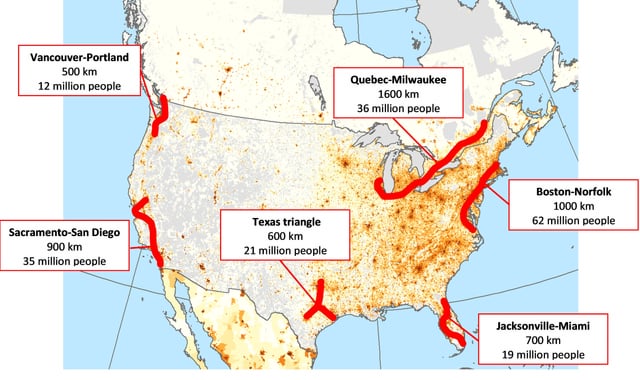
A map of what could be, my American friends. What it could be. Still, at least the Brightline in Florida is looking to launch in Orlando this summer, while the California High Speed Rail project is still alive, somehow.
If you do nothing else today, then do this
Check out the Micromobility Global Incentives and Subsidy Tracker. Simply, if you want to find subsidies that encourage the uptake of cycling, e-scooters and the like, this is a great place to start.


 Mobility Matters