
Good day my good friend.
I’m back in black. After hitting the sack last Sunday, it has been too long, I’m glad to be back! Sorry, I could not resist…
I just wanted to give a huge shout out to all of you who sent me some very kind messages of support last week – there are way too many of you to mention, and so many I feel truly honoured and humbled by it. Thankfully, today I am feeling much, much better, but now with one of those colds that refuses to budge no matter how hard I hit it with Lemsip!
Anyway, enough of that. There is transport stuff to talk about.
If you have any suggestions for interesting news items or bits of research to include in this newsletter, you can email me.
James

Fares as a complex web
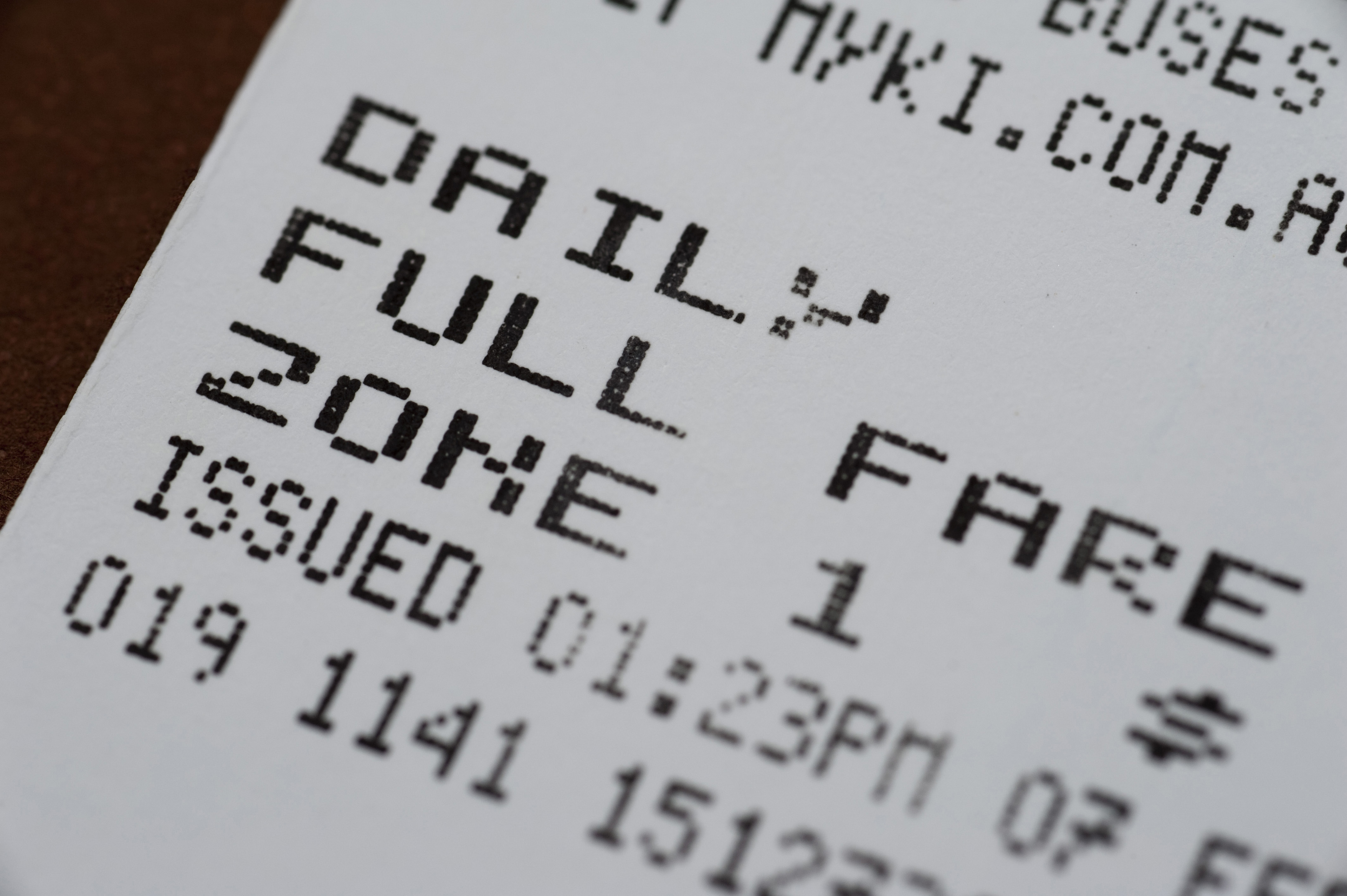
The UK Government has recently extended the national £2 cap on single bus fares. Because heaven forbid actually trying to come up with a long term solution to the woes of the bus industry. While the fare cap has set up some interesting capers that seem to the sole interest of UK bus fanatics, the impact of the fare cap on the cost of living is poorly understood. And I am not aware of any studies that are taking place.
This makes this research article by the excellent Dr Anna Plyushteva at the Transport Studies Unit at the University of Oxford very aptly timed. The central thesis is this. Fares are clearly an aspect of affordability of transport services. But it is related in a complex way to the technologies used to purchase tickets, when people pay for tickets, the experience of making the financial transaction, the relation with personal budgets. Its heavy on theory, but its based on practical research from the city of Sofia in Bulgaria. Its a really good read.
The Morals of War
Recently, it was the first anniversary of the ‘Special Military Operation’ in Ukraine. And I have to say that over the last year, what the Ukrainian Railways has done has been nothing short of amazing. There has been a funny joke recently about how reliable the railway is and how it is more reliable than British trains. But it has worked miracles. 1.5 million people evacuated inside 10 days (while taking humanitarian aid the other way) – 4 million evacuated in all. Reconnecting previously-captured communities in days, and fixing damage from bombs, rockets, and cruise missiles in hours. Its outstanding.
Civilian infrastructure such as railways is as critical during time of war as military infrastructure. There is a lot of debate in military studies about whether civilian infrastructure is a legitimate military target. Its as much a moral matter as it is a legal one, and transport has been at the centre of this debate. For instance, the sinking of the RMS Lusitania by a German submarine in 1915, killing nearly 1200 people, was important in shifting American public opinion against Germany. Even though it was known that the British were transporting weapons on passenger ships (and unknown to the submarine, the Lusitania was actually carrying ammunition in its hold at the time). Transport and its role in moral and ethical matters turns up in the strangest places.

Random things
These links are meant to make you think about the things that affect our world in transport, and not just think about transport itself. I hope that you enjoy them.
50 Years Later, We’re Still Living in the Xerox Alto’s World (IEEE Spectrum)
Funding for footbridge connecting Northern Ireland and the Republic will expire before construction starts (New Civil Engineer)
The US plan to become the world’s cleantech superpower (ArsTechnica)
Workers Are Dying in the EV Industry’s ‘Tainted’ City (Wired)
Hundred million years of landscape dynamics from catchment to global scale (Science)
Something interesting
Highway infrastructure is getting more creative in what it is made from. But I have to admit, being made of styrofoam was not something that I had thought of!
If you do nothing else today, then do this.
As I mentioned in my last newsletter, I was well treated by the excellent staff at the Luton and Dunstable Hospital – the nearest hospital to me. When I was there, I saw that their charity is doing a fundraising appeal to refurbish their maternity facilities, and they are seeking to raised £80,000. It would be wonderful if you could help by donating what you can.



 Mobility Matters