
Good day my good friend.
Again, a newsletter where I don’t have much to say by way of introductions. Mainly because ones brain is fried from a lot of meetings today. So lets get straight to it, shall we?
If you have any suggestions for interesting news items or bits of research to include in this newsletter, you can email me.
James

Pricing can be regulated, and that may have unintended consequences on competition
Recently, the UK Government announced an extension to the current £2 flat fare cap scheme operating on buses in the UK. The UK also caps landing fees charged to airlines at Heathrow and Gatwick Airports, and sets the track access charges on the rail network. In fact, many aspects of transport prices are regulated, nominally in the public interest and for the efficient operation of markets. After all, Heathrow could feasibly charge double what it does for landing slots and airlines would still buy them. But such regulation can have unintended consequences.
A key concept here is cross elasticity of demand. Or, how much the demand for a service changes as a result of changes in prices of a substitute. For example, do more people use intercity trains when planes become more expensive? A new research article explores just this, by comparing the competition effects of new high speed rail. In short: a state-owned company results in more ‘industry benefits’ (i.e. more demand for trains), while competition reduces consumer surplus overall, due to the effects of regulated access charges. I daresay that you preferred solution isn’t determined by economic theory, but either by a general concept of what’s best for the consumer, or your attitudes to state ownership. Am I right?
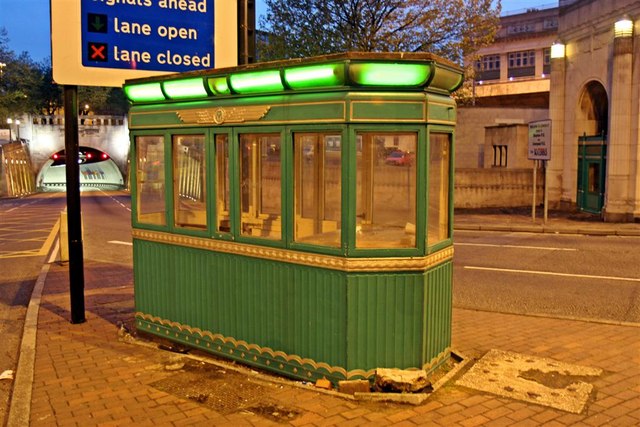
Accurate costing is an art, not a science
One of the best things that the UK has done over the years is extensively exploring optimism bias in the pricing of transport schemes. Honestly, while some of you may not like it (particularly if you like light rail), this work based on real cases is world-leading. Its baked into the rules of how we develop schemes, and even featured on an episode of the Freakonomics podcast. But surely we are not the only ones in the world who don’t challenge the numbers supporting the schemes that we want?
New research from Belgium reveals that this isn’t a British thing. Their average cost deviation from the prediction is 10.26%. Its also present in EU projects, China, Australia, and in fact anywhere that this has been explored meaningfully. There are set rules in place for adding in optimism bias, but this is as much a matter of management and understanding human behaviour as it is adjusting your figures upwards. And knowing this may make or break your business case (and your budget when you come to build it).

Random things
These links are meant to make you think about the things that affect our world in transport, and not just think about transport itself. I hope that you enjoy them.
The Unheralded Art of Pacing (HAFTE)
Blazing Trails in Wildfire Mitigation: A Firefighter’s Story (MCJ Climate Voices)
Relational Work in the Family: The Gendered Microfoundation of Parents’ Economic Decisions (American Sociological Review)
How K-pop stans are shaping elections around the globe (MIT Technology Review)
Something interesting
Creating a sense of place is different in each place, because each place is different. I watched this walk through Akihabara in Tokyo, Japan, and the life in this video is incredible. And the streets that allow this life to flourish, even more so.
If you do nothing else today, then do this
Help out some good friends with a couple of surveys. Specifically, friends at the Scottish Rural and Islands Transport Community (SRITC). Note that these surveys are open to anyone, not just people from Scotland. Here comes the blurb (and the links):
The Rural Communities Fund has given funding to SRITC to progress its Big Ask 5, which relates to developing a Sustainable Transport Challenge for young people in rural and island communities. SRITC is keen to gather views from parents, young persons, professionals, homeschoolers, volunteers or potential sponsors. We have 9 questions on the surveys to answer which will take you just a few minutes to complete. Survey one is designed for young people to complete and survey two for adults to complete with or without a young person. The survey will be live until the middle of March.



 Mobility Matters