
Good day my good friend.
Sorry to say that, as of the time of writing, I am currently feeling extremely unwell. So this introduction will be shorter than normal. To the transport news, I guess.
If you have any suggestions for interesting news items or bits of research to include in this newsletter, you can email me.
James
Messing with house prices messes with marriage plans
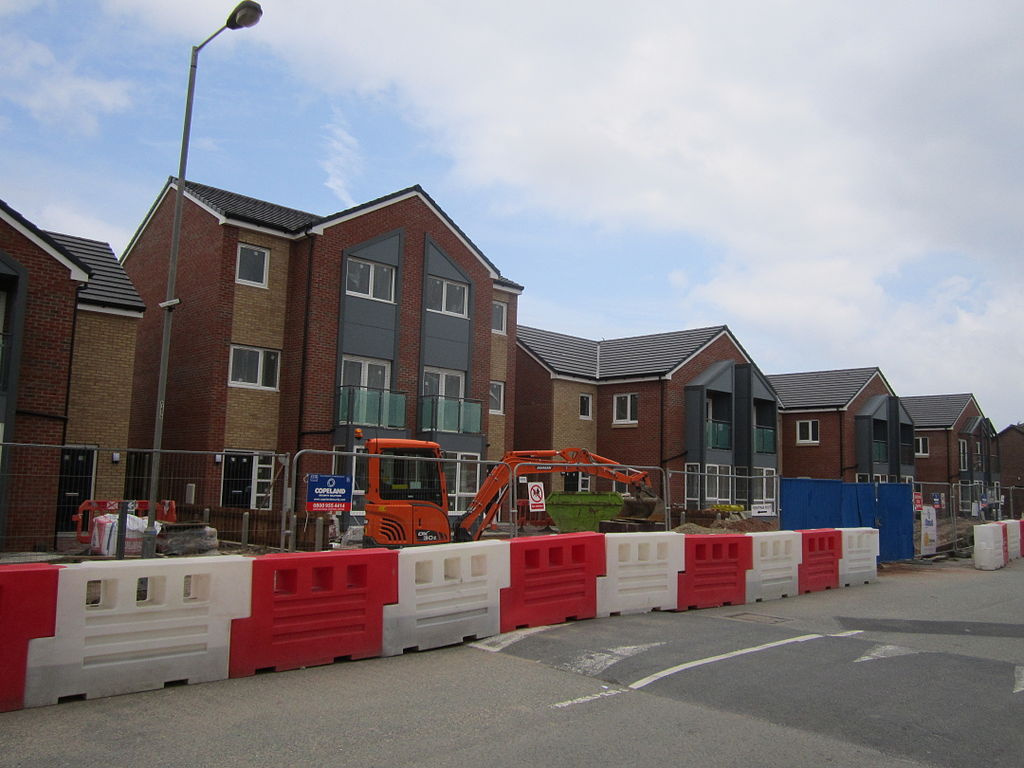
To the shock of almost nobody, especially those aged 35 years old or under, economic and social change within cities has a profound impact on life plans. A study from China has shown that as house prices increase, marriage gets delayed in the areas most affected. We also know that house prices affect discretionary spend and local economic activity. And they are a component in trading off travel choices for the journey to work.
But why should we care? For a very simple reason. House prices affects people’s lives and life choices. It also affects when people can undergo significant changes in their life, such as moving house or starting a family. All of which have profound impacts on how people travel and how much they travel. So what happens in the housing market should concern us transport planners far more than just how many houses are built.
Public transport as inequality
Like all tools, public transport can be good or bad, depending on how you use it. As so ably demonstrated in this article / opinion piece. As I am not feeling too well, I am going to cheat and highlight to you the relevant, insightful part of the abstract:
‘Return to the city’ trends are supported in part by growth machine engines, such as Transit Oriented Development (TOD) and TIF (Tax Increment Financing) districts, often to the detriment of lower-income minority residents, who still find themselves trapped within the boundaries of spatial inequalities in the city. Drawing on six years of ethnographic fieldwork in Chicago, I show how public transportation is used to buttress the city’s growth machine, while simultaneously maintaining the boundaries of spatial and other types of inequalities. In doing so, I highlight how public transit is used to create and support growth along race (and class) lines. Specifically, I show how mobility and growth for Whites and predominantly White spaces in the city are proactively shaped through favorable new public transit development and revitalization initiatives such as TOD and TIF.
Random things
These links are meant to make you think about the things that affect our world in transport, and not just think about transport itself. I hope that you enjoy them. As I’m a bit under the weather, I relied a lot on Naked Capitalism for today’s links.
Potemkin Village (Heisenberg Report)
Natural disasters caused $313 bln economic loss in 2022 – Aon (Reuters)
ChatGPT is everything you wanted Bitcoin to be (The Reformed Broker)
AI wrote a bill to regulate AI. Now Rep. Ted Lieu wants Congress to pass it. (NBC)
Young Chinese say real estate isn’t the nest egg it was once all cracked up to be (South China Morning Post)
Something interesting
Could Boulevards be the answer to so many city transport problems? Or will they simply be a load of broken dreams? Regardless, the Parisians seem to like them.
If you do nothing else today, then do this
Edinburgh University did a study of the impact of 20mph zones on streets in Edinburgh. Shock horror, they are generally a good thing. Go and read the report. Then slap it in front of the next person who says that 20mph zones won’t work.


 Mobility Matters