
Good day my good friend.
On days like today, I completely get the reasons why people drive. Namely one reason. In the 10 minute walk from the shop, I have just got completely and utterly drenched. Yes, I know, I live in the UK. I was battle-hardened to this sort of thing by the time I was 5. But it doesn’t mean it is pleasant!
Oh, and by the way, look at the end of this newsletter for something a little fun.
If you have any suggestions for interesting news items or bits of research to include in this newsletter, you can email me. I know that plenty of you have suggested articles – I will get to them soon!
James
Transport at zero cost
There are some quiet whispers that soon, maybe even today as part of the Autumn Budget, that a proposal for national road user charging will be tabled. This is a policy idea which has long been called for, and has a lot of positives to it. Even if it is politically hard. The latter point is related to how we percieve the costs of travel, which evidence indicates does not reflect the external costs that transport has on wider society and the world.
This latest paper on transport externalities covers just this issue. Its essentially a refresh of values of externalities, and allocating values to sources in relation to a specific city – Munich. In summary, 80% of all externalities are by petrol and diesel cars, and mode shift is the best way to reduce the costs of these externalities. No shock there, then.

Considering the impossible
In yesterday’s newsletter, I mentioned that this week the world’s population grew to over 8 billion people. The UN forecasts that the population will continue to grow further to just under 10 billion people, and then at that point something strange will happen. The population will stabilise, primarily due to declining fertility rates. Something that is already happening. If you are aged under 25 years old, there is a very good chance that this will happen in your lifetime. And within the operational life of new transport infrastructure we are building now.
So how do we plan for a world where the population is not growing? Such futures have, until now, been considered highly improbable. But population forecasts are very accurate indeed. Such futures humans are notoriously bad at planning for. And our politics is very bad at planning for (because growth is good). But maybe we can help by considering the very fact that in the places that we are planning for, an ever-growing population may not be as certain as we make it out to be.

Random things
These links are meant to make you think about the things that affect our world in transport, and not just think about transport itself. I hope that you enjoy them.
I remember the bookstore (Long Reads)
Attacks on Africa’s informal settlements are attacks on women’s economic liberation. Here’s why. (City Monitor)
High Speed Rail doesn’t depend on Megaregions (Pedestrian Observations)
How Bird clipped its own wings (Techcrunch)
Something interesting

The excellent Exponential View newsletter shared this map, and it shows how transport has impacts in rather odd ways. If you have ever had a cup of Tea, its called that because it has come by ship. If you have had a cup of Cha (the same thing), that’s because it has travelled by land. This article in Quartz explains it all.
If you do nothing else today, then do this
In conversation with a good friend yesterday, I mentioned that 4 things drive the cost model of all transport companies: staff, vehicles, infrastructure, and fuel. The main difference between trains, buses etc. is the degree to which each one is important. I forgot to mention one other thing: scale. And this article in Vox perfectly articulates why buying at scale reduces costs, and will enable the electric vehicle revolution to actually happen.
Today’s poll
I noticed this feature on Substack, and so as a little fun I thought I would give running a poll a little go. A nice easy question to start with, and if its popular I will run it again. The answer will be revealed in tomorrow’s introduction.

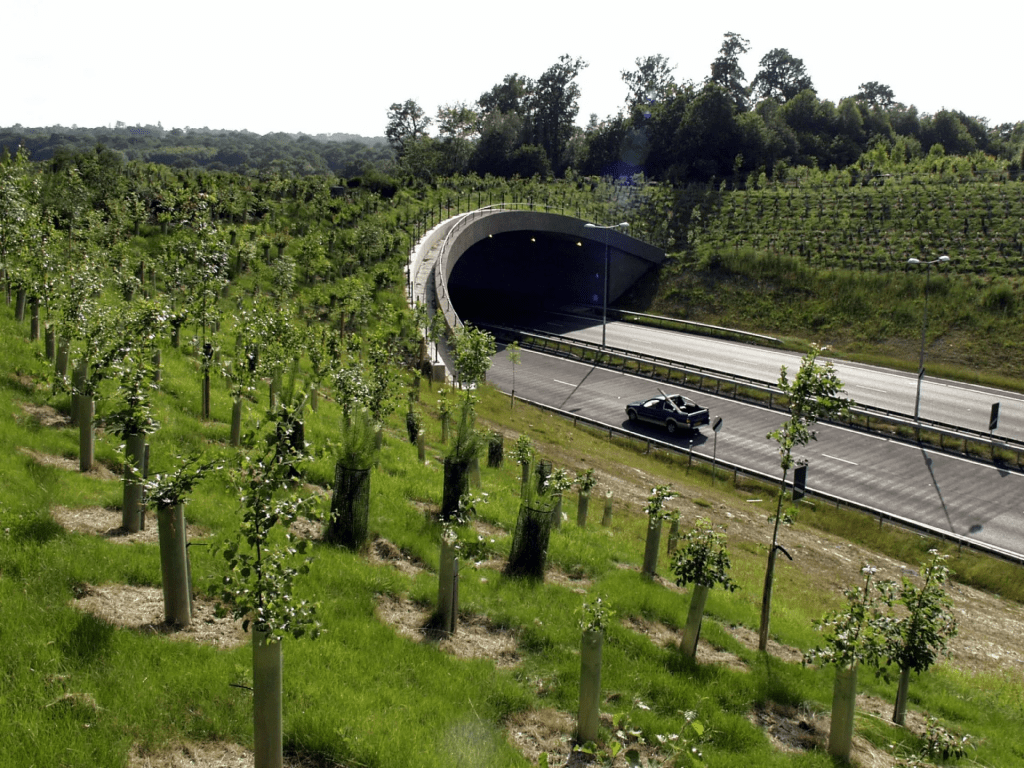
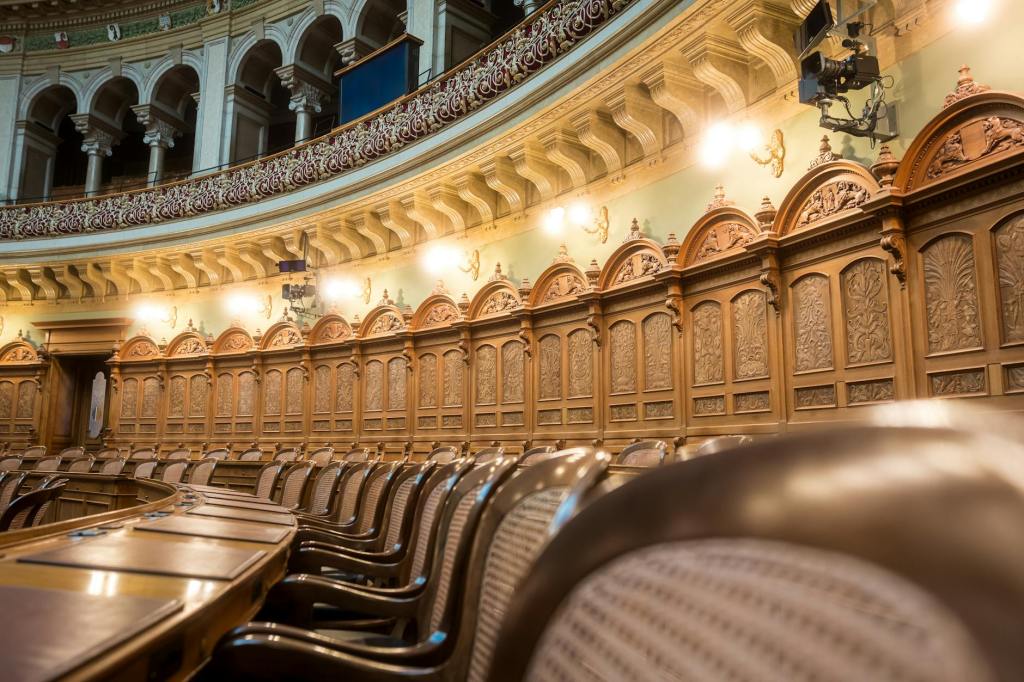

 Mobility Matters