
Good day my good friend.
Why pay $8 a month to a billionaire when you can get top quality transport content for £5 a month instead with a paid subscription to this newsletter? Nope, I’m not very good at sales am I? But if you want to follow me on Twitter then you can.
If you have any suggestions for interesting news items or bits of research to include in this newsletter, you can email me.
James
Maybe TAG needs to be revised now working at home is more productive
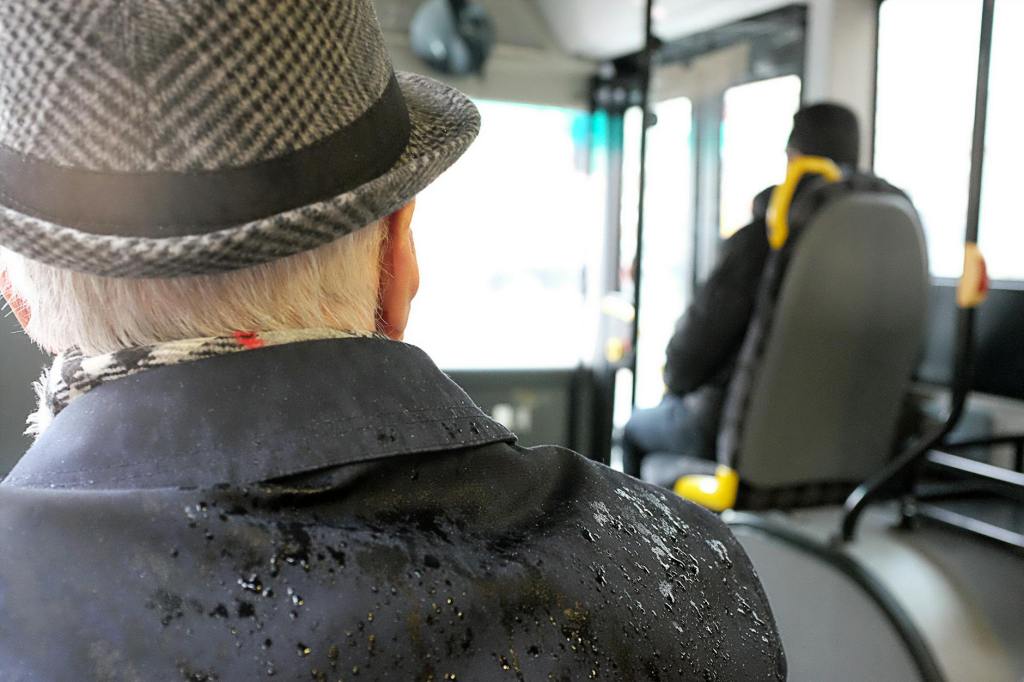
If you travel really fast and do very important things like work and do business, that is good for the economy, according to TAG. Tell that to anyone who has had a bad commute. If the COVID-19 didn’t put that idea to bed for office jobs, I don’t know what will. I’m sure you all have anecdata about how you worked about a million times harder when at home during COVID. But is there any data behind it all, and what does it mean for transport?
The data has been clear for some time. Commuting, especially by car, is not good for our productivity. And recent analysis has added to this. Not only has it confirmed that the productivity benefits of commuting to an office are marginal, but being in an office is physically exhausting for most people. This means productivity tends to suffer, and therefore a case can be made to revisit the economic benefits of more, faster commuting made by transport schemes. Especially road capacity enhancements.

The state of events
David Levinson’s latest Transportationist Substack, and yesterday’s Fireside Chat on Serious Games, both struck a chord with me. Organising events is hard. If you have never organised an event before, you have no idea quite how hard it is. Even Mobility Camp, where a lot of the content is user-generated, takes months of planning and long hours by a team of people. And it is because of this, I think, that many events become streamlined to make them easy to deliver and repeatable. We do the same thing because we know it. And it can result in poor outcomes, where good content gets rejected, and the same types of events become dominant because they are easier to deliver.
Much of what constitutes a good event is personal taste. Whilst the idea of sitting in a room all day listening to presentation after presentation bores me, I know that many like that way of learning. But if we are to attract a wider variety of people into transport planning, we shouldn’t just look at things like their gender and ethnicity as an end goal. We need to cater for a variety of learning styles as well. Whilst the likes of Mobility Camp and the Fireside Chats do well to provide such alternatives, they are quite isolated in terms of catering for learning styles other than a presentation and Q+A that is still the dominant form. People learn differently, and we need to understand the value of that, and provide events that cater for it.
Random things
These links are meant to make you think about the things that affect our world in transport, and not just think about transport itself. I hope that you enjoy them.
Are Gas Stoves the New Cigarettes? (The New Republic)
I’m No Longer Sure New York Will Protect Itself From Rising Waters (New York Times)
Think the Energy Crisis Is Bad? Wait Until Next Winter (Time)
This Platform Makes Sure Companies Stick to Their Climate Pledges (Wired)
Something interesting
It turns out that recycling electric car batteries is hard. There are still companies doing it, and doing it well. But its not easy to do.
If you do nothing else today, then do this
Of course you should watch the Fireside Chat that I took part in yesterday. Thank you to everyone who tuned in. I did see a few familiar names in the chat, and I hope that you enjoyed it. The whole chat is on YouTube. Or you can gaze in amazement at the T-shirt that I wore. I’m unashamedly geeky when it comes to video games.



 Mobility Matters