
Good day my good friend.
Yesterday, the UK Government confirmed its 4,391,984,339,342,967,111th Transport Secretary since I graduated in 2004. They have a massive to-do list. In no particular order: sort out the strikes on the railways, continue funding active travel, rapidly decarbonise transport, sort out chaos at the ports, and sacrifice the road expansion budget unto the austerity Gods at the Treasury. Get to it, Mark.
If you have any suggestions for interesting news items or bits of research to include in this newsletter, you can email me.
James
Tackling used vehicle dependency in Africa
Here is some uncomfortable news. Despite lots being said about banning petrol and diesel sale of new cars in much of the developed world, it means one thing. Second hand cars heading to many poorer parts of the world. Whilst the average age of a British car keeps sneaking up, many don’t end their life in the UK, and are instead exported to other parts of the world. So how do we deal with the legacy of vehicles we are building now?
First, you need to understand the issue. And while thinking about it in terms of pure economics is fine, this new paper by Festival Boateng and Jacqueline Klopp focussing on Ghana expands our understanding of the issue by focussing on the political economy of the issue. It comes to an interesting conclusion. Land use planning reforms and prioritising non-car modes could, effectively, kill the second hand market. Or at least starve it a bit. Sadly, such reforms are extremely challenging to do at the best of times.

What we drive through affects our mood
The great thing about systemic reviews is that they touch upon things that make a lot of sense, and put all the evidence in one place in a digestible way. This review by Paulo Anciaes focusses on the effect of the visual environment on the wellbeing of drivers. I mean, who doesn’t like looking at nice things? Even if what is nice is subjective. And it turns out, it does have a big impact on wellbeing.
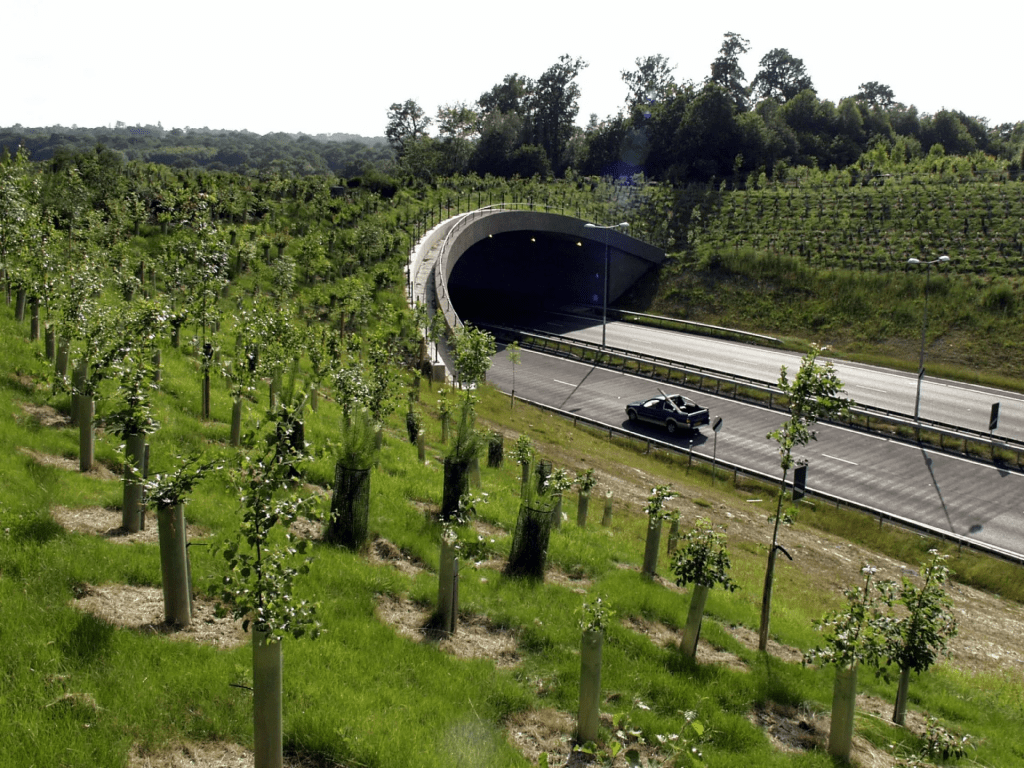
To summarise the summary. Monotonous views are bad, roadside vegetation is mostly good, and advertising is bad. For the rest, including the study of drones, the results are more mixed. For me, this points to a wider truth. By making the street scene nicer, it improves the experiences of everyone, and not just pedestrians are cyclists. So maybe we should do more of that.
Random things
These links are meant to make you think about the things that affect our world in transport, and not just think about transport itself. I hope that you enjoy them.
Epic’s overhaul of a flawed algorithm shows why AI oversight is a life-or-death issue (Stat)
America’s electric utilities facing transformer shortage crisis (The Hill)
Cyclist infuriates driver by trying not to get run over (The Daily Mash)
Once-promising Chinese EV maker said to slash staff wages amid weak sales (South China Morning Post)
Something interesting
The lived experience of people who support Low Traffic Neighbourhoods. This is not right. This is the experience of people who are being bullied, so how on Earth do we support those who support change?
If you do nothing else today, then do this
For British subscribers (and politics geeks from elsewhere), TheyWorkForYou.com is priceless whenever there is a change in Transport Secretary, as it summarising their voting records and speeches on key topics. The new Transport Secretary has voted against increasing fuel duty and against limiting rail price increases, appears to hate public ownership of buses and trains, but has voted in favour of High Speed Rail and taxing flights. Make of that what you will.

 Mobility Matters