
Good day my good friend.
Bernard Cribbins died yesterday. Most of you will probably know him from his role as Tom Campbell in Doctor Who, Mr Hutchinson in Fawlty Towers, or maybe as the narrator of The Wombles. But being a transport person, one of his standout roles (and arguably the one that really established him in the mainstream) was as Albert Perks the station porter in the 1970 movie adaptation of The Railway Children. Regardless of however you remember him, what a man, and what a life.
If you have any suggestions for interesting news items or bits of research to include in this newsletter, you can email me.
You should also join a lot of like-minded people at Mobility Camp in Bristol in September. Get your tickets now. Sponsorship slots are also available.
James

People perceive the accessibility of locations and modes to get there differently
Sometimes you need some academic research to point out the obvious. This newsletter has touched on issues of accessibility in terms of journey times and access to opportunities, primarily (though physical accessibility is clearly important). I have touched on the need to expand our thinking on accessibility, but this new research paper does this by considering the perceived accessibility in terms of providing demand responsive transport (DRT) services in Bristol.
While concluding that DRT may be appropriate for remote sites, the perceived accessibility of sites was strongly influenced by gender and the type of work. It doesn’t come to hard conclusions as to what should be done, but it does help to expand our frame of reference of accessibility. Thus helping us to diagnose the problem in a more complete way than simply journey time and cost.
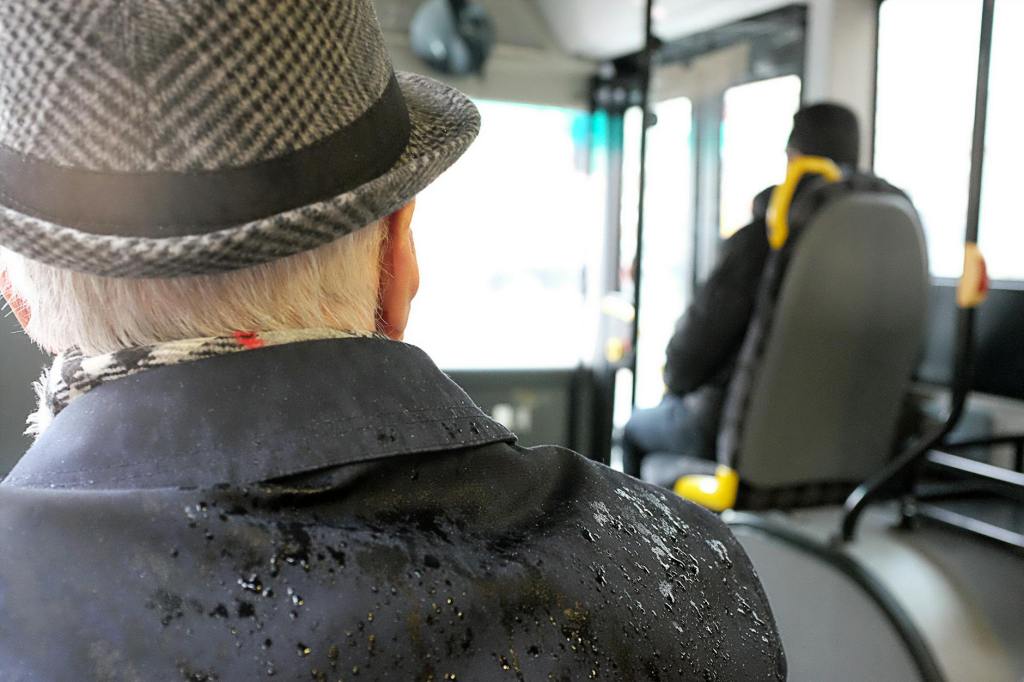
For the elderly, the shopping trip is a social trip
The latest article in a long-running series of “I cannot believe I missed this” is this excellent qualitative study of the attitudes of elderly people in Montreal to online shopping for food. The elderly are one of the most at-risk groups for food insecurity, and so when the food store closes, could online shopping offer an alternative to them? In summary, yes it could, and some elderly people do this already, but the influence of peers and the social interaction from the shop could actually override this.
This correlates very well with a lot of other studies from the same age cohorts as to the value of transport and accessibility as a social activity. To the point whereby this actually influences how they travel around. The elderly especially love interacting with friends and family, and this is especially important to them in terms of their travel. This could not be a more perfect example of transport as a derived demand.

Random things
These links are meant to make you think about the things that affect our world in transport, and not just think about transport itself. I hope that you enjoy them.
How Robots Can Help Us Act and Feel Younger (IEEE Spectrum)
The era of big-tech exceptionalism may be over (The Economist)
As Africa’s digital economy grows, expensive internet hinders investor activity in some countries (Yahoo!)
Sunset of the social network (Axios)
How famous logos would look in the middle ages (Jack Shepherd)
Something interesting
This video is a great exploration into low cost travel by train that is expanding across Europe. Oh to have a single, integrated European network for us here in the UK.
If you do nothing else today, then do this
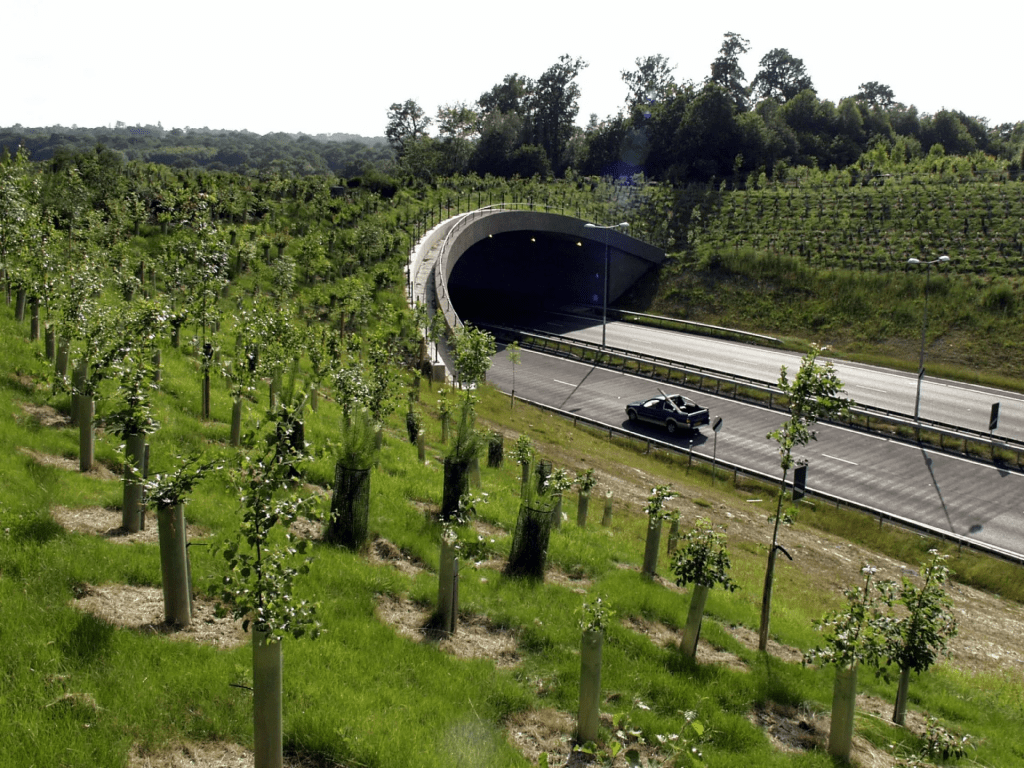
This excellent article on the CityFix Blog makes a very convincing case that trees should count towards your city’s carbon emissions. In my work I am going through a similar issue where trees are being removed to make way for sustainable transport improvements. This is not how it should be.
 Mobility Matters