
Good day my good friend.
Well done Glasgow, Edinburgh, Aberdeen, and Dundee. Its baby steps, but every step to a low emission, low carbon, and more socially just future is a good one. I await the results with interest.
If you have any suggestions for interesting news items or bits of research to include in this newsletter, you can email me.
James
People are now less loyal to public transport
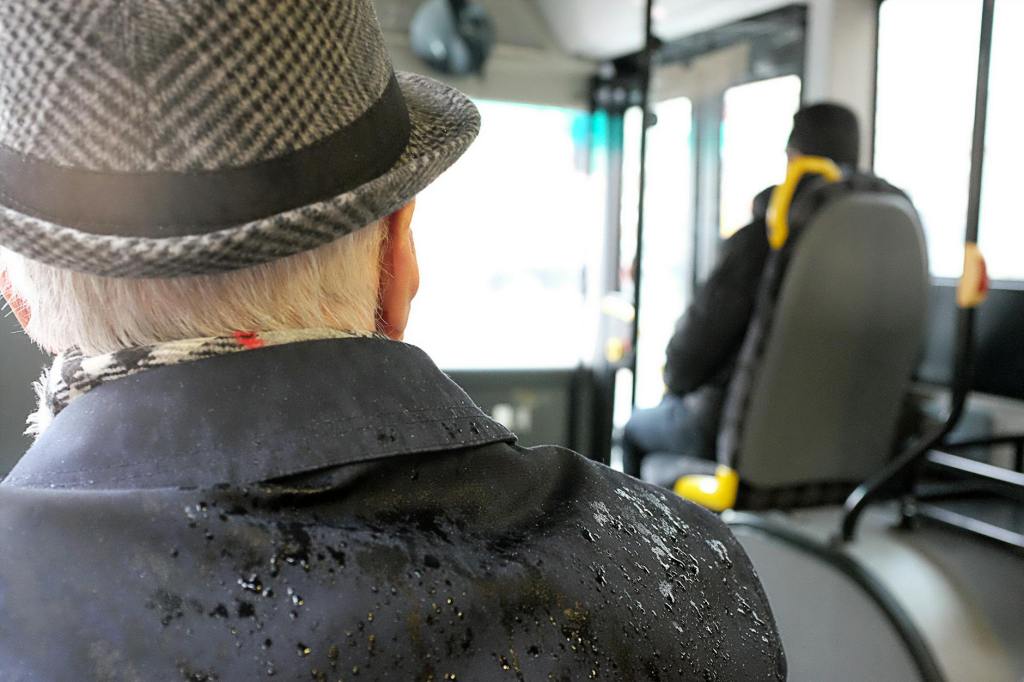
One of the most fascinating Master Papers I ever read (sadly, this was in the days before publishing online, so you will have to go to the University of Westminster’s library to see the paper) was on brand loyalty in the bus industry. Namely, there is none of it. People don’t care about the brand of the bus, so long as one turns up, its reasonably priced, is frequent, and is on time. Turns out, that COVID-19 may have destroyed what loyalty there is left.
This paper did a study of changes in attitudes and loyalty to public transport. The results are stark, and a huge wakeup call for public transport:
The results indicate that during COVID-19, perceptions of service quality have improved, particularly in relation to comfort (including crowding), safety, reliability and information. While this has led to increased customer satisfaction, loyalty to the system has decreased. An increase in the perceived attractiveness of using private cars was found to be the primary factor for reducing passenger loyalty with the perceived monetary and psychological costs of using cars being less effective in encouraging people to use the bus.

The logistics of the pandemic are endlessly fascinating. No, not that logistics
In recent years, in a time when supply chains were hugely disrupted, we had to pull off one of the logistics operations in the history of the UK. Mass vaccination of the population, quickly, which is hard to do. And that’s not considering the accessibility of some vaccination sites. Such networks are subject to complicated, real time disruption and changes.
This research paper on the experience of trialling a new system of ‘congested queuing’ adds to the expanding literature on this. To put it in plain English, they considered a new system of vaccine distribution based on a changed utility function for queuing, and tested a system to balance two competing objectives: the expected average wait time for a vaccine, and ‘total investment in holding and ordering of vaccines’ (i.e. how much space there is to hold stuff). Trying to balance these two objectives leads to fascinating results.
Random thing
These links are meant to make you think about the things that affect our world in transport, and not just think about transport itself. I hope that you enjoy them.
What makes Nepal’s skies so dangerous? (Firstpost)
After the End (The Point)
From baristas to inspectors: Singapore’s robot workforce plugs labour gaps (Reuters)
Workers’ Share of Economic Pie Isn’t Growing (Wall Street Journal)
Something interesting
Very interesting. From the organisation that is literally the car lobby in the UK.
If you do nothing else today, then do this
I like statutory guidance, weirdly. And the government has just published some on a personal bugbear of mine. Getting rid of idiots who drive in bus lanes. And other moving traffic offences. So give it a read, and become more informed.
 Mobility Matters