
Good day my good friend.
A couple bits of news to start off this newsletter. First, if you are at the MOVE Conference in London on 16th June, or at the Transport Practitioners Meeting in London on 29th and 30th June, I will be at both. If you want some time to chat about anything in the world of transport or just want to set the world to rights over tea (or coffee), simply email me! It will be great to see you all again in real life very soon!
Second, holidays. This Thursday and Friday sees the Platinum Jubilee Bank Holiday weekend in the UK, so no Mobility Matters Daily on either day. And next week, I will spending a week on holiday on the border between Norfolk and Suffolk. You will get a newsletter each day, but it will be different to the usual fare. I am working on it this week, and I hope that you will enjoy them.
If you have any suggestions for interesting news items or bits of research to include in this newsletter, you can email me.
James
Investing in lower productivity areas may be a good thing in the long run. Who knew?
The latest in the series of ‘I cannot believe I missed that’ reports is this excellent report by the University of Oxford and the University of Leeds on whether transport infrastructure investment makes people move to more or less productive jobs. From two years ago. While COVID-19 may have changed things slightly in the meantime, this study of economic theory really is rather good.
Simply, there are a variety of factors at play in productivity: skills, market access, local and institutional knowledge and technological capability to name a few. Transport infrastructure (theoretically) changes this through reduced journey times, increasing agglomoration, and simply having more ‘stuff’ there. In theory, if you build new infrastructure to lower productivity regions, productivity will ‘go down’ as people move there. But this report states that the impacts are largely positive over the long term, but our current assessment methods don’t take account of this. As ever, more work needs doing.

Green streets are liked by university students
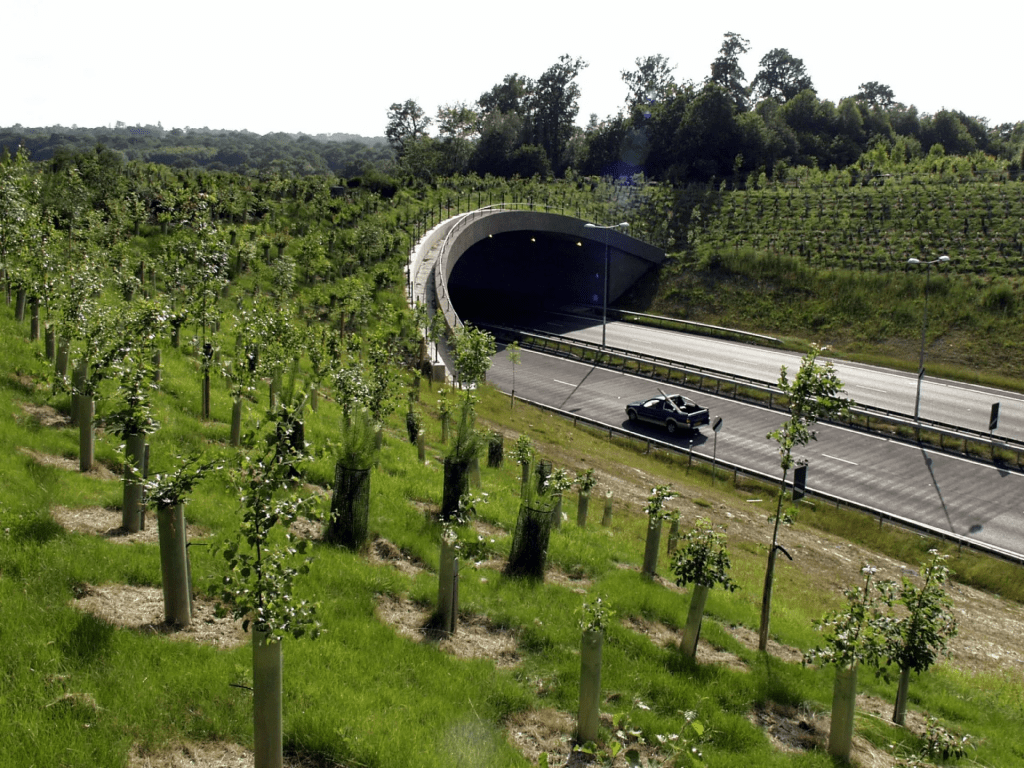
Ask someone who is responsible for maintaining roads the one thing they would get rid of, and chances are it will be trees. The leaves block drains and create a slip hazard, the roots undermine the road foundations, and they have a habit of falling over when it gets a bit windy. The thing is, trees are nice and people tend to like them, so we keep them around. Turns out that they create positive feelings towards active travel to.
This study of university students using StreetView images. While the fact that the tests are on Chinese students and that Chinese universities tend to be gated communities is noted as a factor by the researchers, the results are clear. And I must say, slightly disappointing if you are a fellow e-bike owner:
The results demonstrated that street greenery on campuses is positively associated with active travel among university students. Modes of travel also influenced active travel, with university students who owned bicycles tending to participate in active travel more; however, those who travelled by electric bikes were less likely to participate in active travel.
Random things
These links are meant to make you think about the things that affect our world in transport, and not just think about transport itself. I hope that you enjoy them.
The myth of the white male scientific genius – and why its time is up (New Statesman)
The Texas grid is designed to fail (recode)
Bank holidays: how a day off work affects the economy (The Conversation)
The big new idea for making self-driving cars that can go anywhere (MIT Technology Review)
Digital delivery transforms trade for Africa’s stallholders (Financial Times)
Something interesting
Who better to take you through Day 1 of the Elizabeth Line than Geoff Marshall?
If you do nothing else today, then do this
As you know, I am working with a wonderful group of people in delivering Mobility Camp this year. And we are looking for some amazing sponsors to back what is going to be an amazing event. Think that could be you? Then get in touch with us.


 Mobility Matters