
Good day my good friend.
Not going to lie on this one. Last week, I ordered an e-bike for delivery last weekend. And just like a child awaiting a new toy, I was extremely annoyed when it failed to turn up. I’ll just have to sit in the corner and wait like a good boy.
Also, there is no section on inspirational strategies and projects this week, as its extremely thin on the ground. Normal service will be resumed next week.
If you have any suggestions for interesting news items or bits of research to include in this newsletter, you can email me.
James
The post-pandemic world and the health implications of the commute
What will happen to the commute has been a transport policy question that (for me at least) we have been too pre-occupied with over the last 3 years. There is some new evidence that indicates that people who work remotely actually travel more than those who don’t (actually, this has been known for a while, but its more the study is new). But there are clear health implications from changing how we travel, as our everyday lives could be radically changed.
Immediately, the ongoing pandemic could have impacts upon immediate transport choices. But if longer commutes are to become more common, this may result in poorer mental health. And with less time on the commute, there is less stress. And if combined with more flexible working overall, the result is far fewer people who are stressed. So, even if the commute still pre-occupies as a profession far too much, perhaps anything that reduces stress and improves overall quality of life is a good thing.
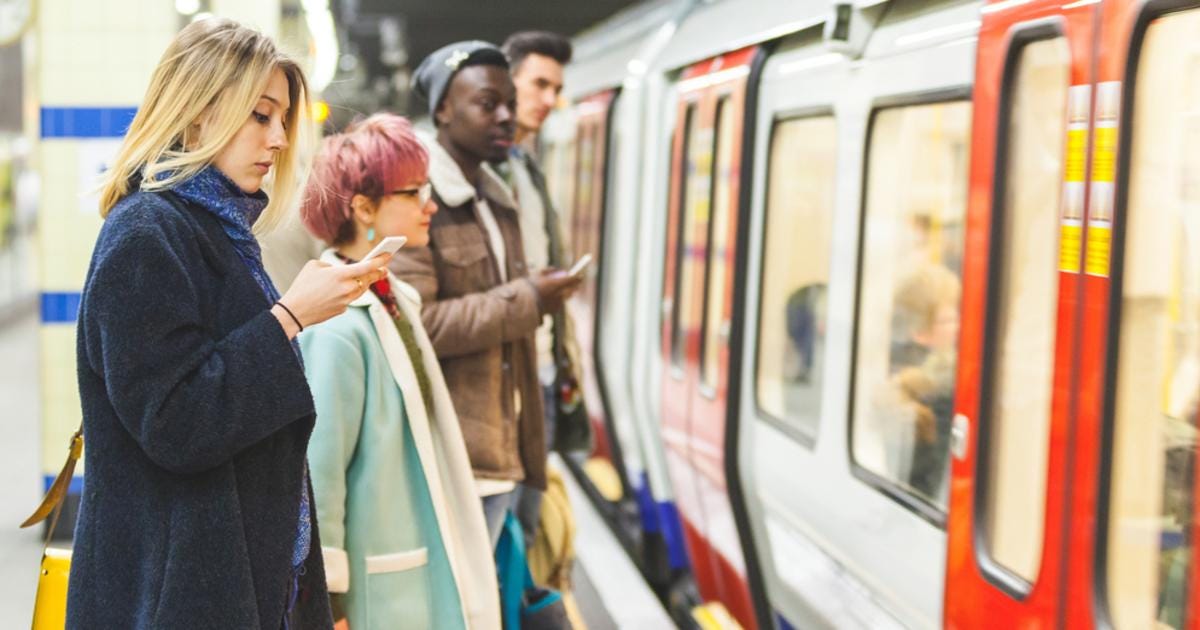
Does restricting car use during air pollution actually improve air pollution?
Its a popular tactic among many cities. When the air pollution gets bad, you restrict car use to mitigate the worst of it. In fact, it is a very popular tool. There is a key question in this, though: does it actually work. Well, if you are an environmentalist, there is some good news. It does, according to a study from China.
Based on a multi-period difference-in-difference model, we find that the implementation of traffic restriction policies improves urban air pollution. Second, we analyze the effect of only license-plate restrictions on air quality and discover that urban air pollution is still improved.
Random things
These links are meant to make you think about the things that affect our world in transport, and not just think about transport itself. I hope that you enjoy them.
Will true AI turn against us? (Big Think)
Save this Severn heaven (The Critic)
Dog Bars Are Booming in Washington—and More Are on the Way (Washingtonian)
Climate chaos certain if oil and gas mega-projects go ahead, warns IEA chief (The Guardian)
Neom: What’s the green truth behind a planned eco-city in the Saudi desert? (BBC)
Something interesting
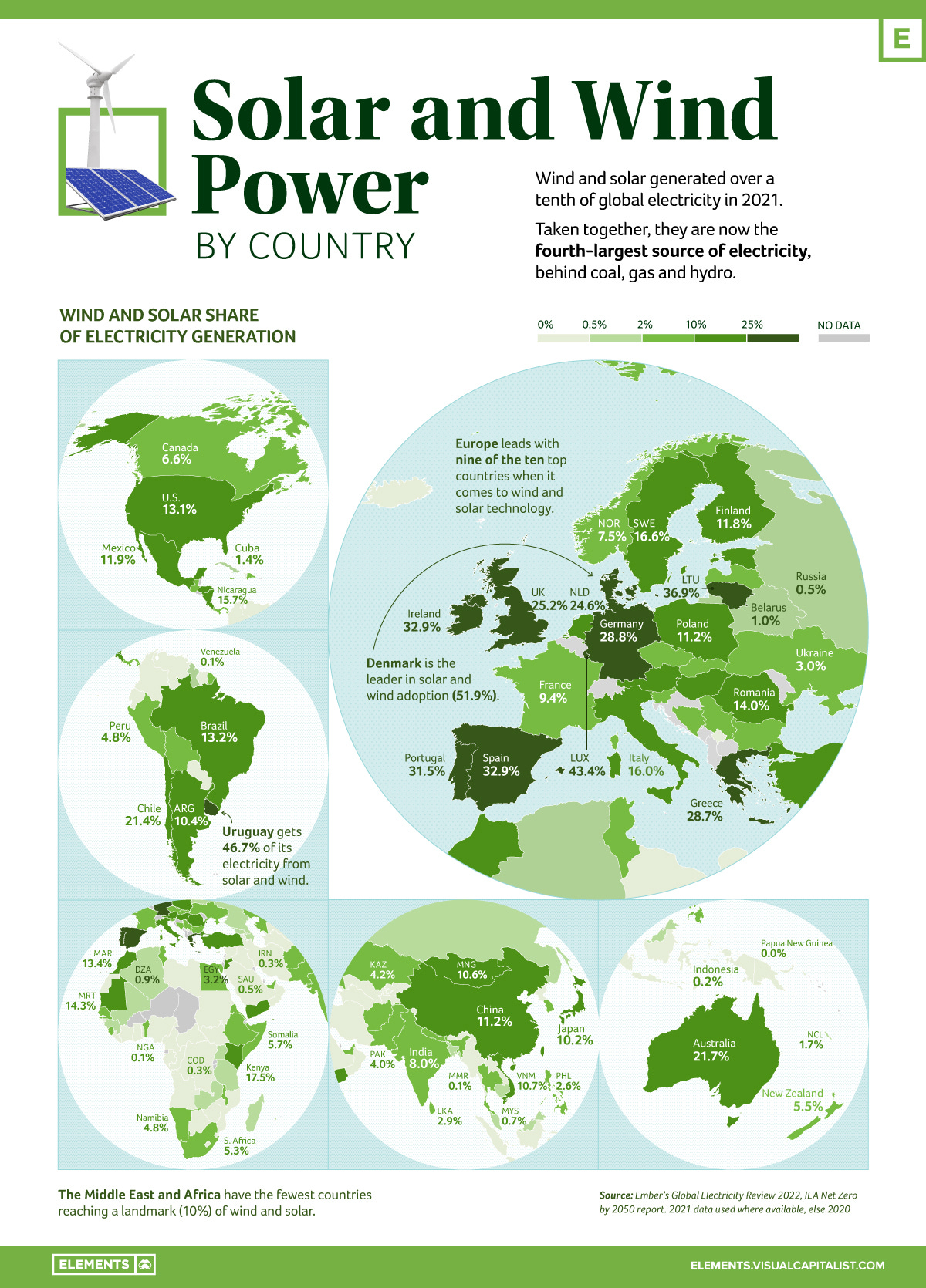
Europe is powered by solar and wind. That’s a good thing.
If you do nothing else today, then do this
Read this World Economic Forum article on whether cars are an urban design flaw (they aren’t necessarily, but their over-use certainly is).
 Mobility Matters