
Good day my good friend.
No fuss or bother today. Mainly because I’ve been called into a meeting at the last minute. So lets get to it.
If you have any suggestions for interesting news items or bits of research to include in this newsletter, you can email me.
James
Compromising safety is usually not a good way to solve a problem
The UK is trying to tackle a long-standing crisis of not having enough delivery drivers. Rather than actually doing something to tackle the problem like decent wages and good facilities for drivers, government is thinking about making it so when you pass your driving test, you can automatically drive a 42-tonne articulated lorry.
This is a mad idea. 1 in 5 young people crash within the first year after passing their test, and we want to make it so they can drive something more technically challenging? But reflects a worrying wider trend of business and government not getting the value of safety. Similar can be seen at Boeing, with fateful results. Worsening safety standards without a good safety case to do so may meet quarterly profit goals, but it costs you eventually. Don’t do it.
Breaking pedestrian crossing habits is hard
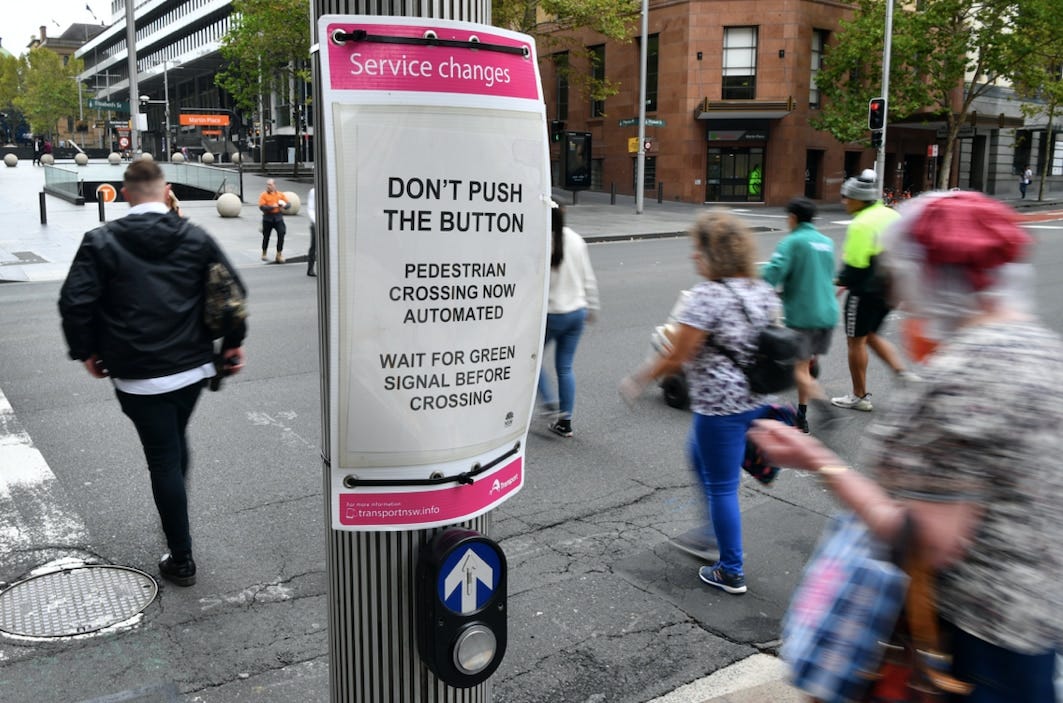
Think back to the early stages of the COVID-19 pandemic. One of the first things that many transport departments did was to install automatic pedestrian detection at pedestrian crossings. A good example being this initiative in New South Wales. But what impact did this sort of initiative, and COVID generally, have on the use of pedestrian crossings? This study from Utah gave some interesting results:
Our first hypothesis of decreased push-button utilization was partially supported. The changes in utilization at most (seven) signals were not statistically significant; yet, the aggregate results (using 10 of 11 signals) saw a decrease from 2.1 to 1.5 presses per person. Our second hypothesis of no degradation of model accuracy was supported.
So, people generally tended to press the cross button less, but not to a significant degree. But that didn’t have any impact on how accurate pedestrian modelling of such crossings was. Maybe the lessons of the Green Cross Code Man still loom large in our minds.
Random things
These links are meant to make you think about the things that affect our world in transport, and not just think about transport itself. I hope that you enjoy them.
#NoMowMay: A Step Toward Abolishing the Lawn? (Naked Capitalism)
Without fanfare, a 40-strong team is laying the groundwork to save Singapore from sea level rise (Channel News Asia)
How Public Schools Are Going Net Zero (Bloomberg)
Dockworkers Worldwide Are Trying to Stop Russia’s War (Foreign Policy)
HART Board Approves A New Honolulu Rail Plan For A Shorter Route (Honolulu Civil Beat)
Something interesting
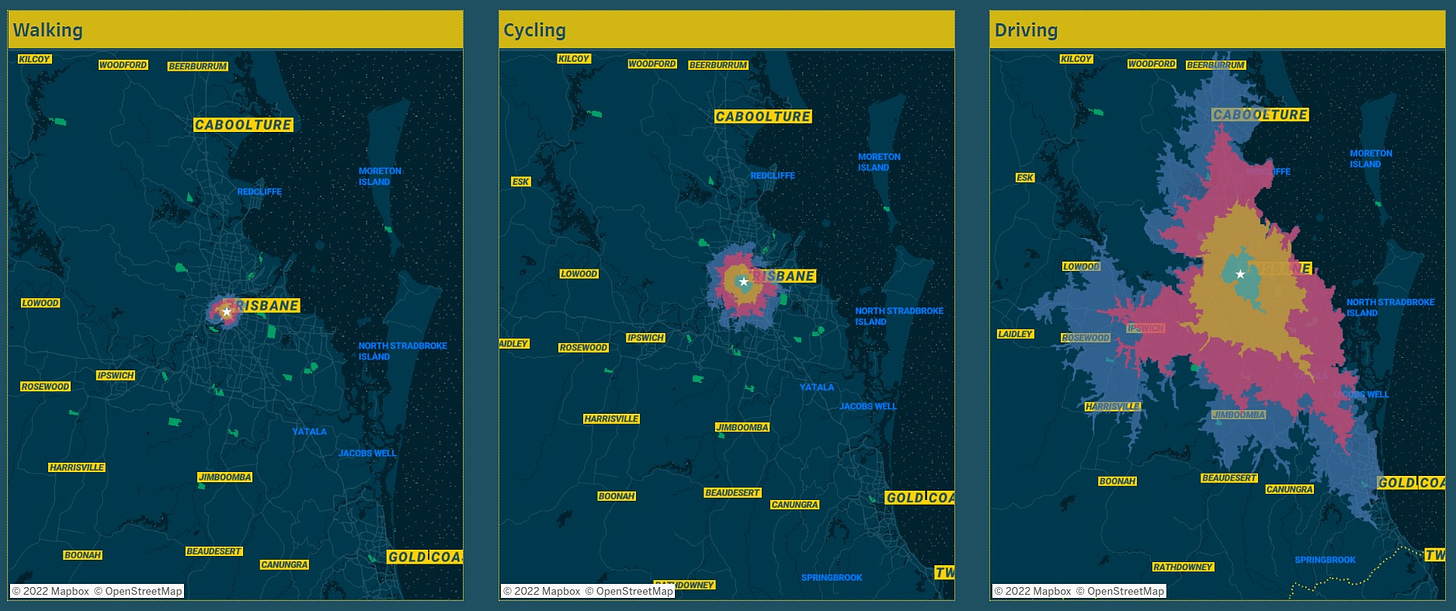
Could have done with public transport journey times as well. But its interesting regardless.
Things for a better world
This is a weekly collection of transport strategies, experiments, and cool projects looking to create a better world that you should find out more about. Not only that, you should think about adapting and doing yourself.
Strategies
10-point action plan towards a resilient, innovative, sustainable, and digital ecosystem (European Automobile Manufacturers’ Association (ACEA), the European Association of Automotive Suppliers (CLEPA), the European Council for Motor Trades and Repairs (CECRA) and the European Tyre and Rubber Manufacturers’ Association (ETRMA))
Plan national de mobilité (Le Gouvernement Du Grand-Duche De Luxembourg)
Experiments
New trial to banish loud engines and exhausts on Britain’s noisiest streets (Department for Transport)
Zero emissions transport refrigeration unit (SHD Logistics)
Dogs on board Metrolink trams (Manchester) – I completely support this idea. In fact it does not need to be trialled at all. 🙂
Cool Projects
Better Streets for Buses (Chicago Department for Transportation) – Thanks to Tim Rivett for pointing this one out!
If you do nothing else today, then do this
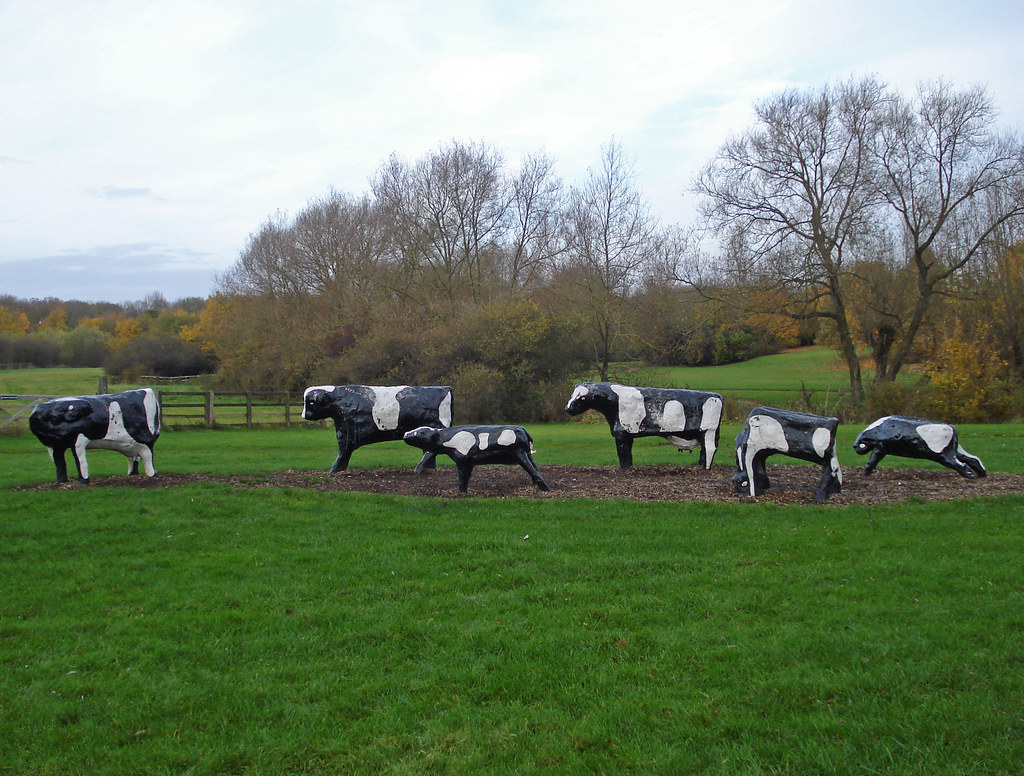
Be inspired by small projects like this one. They may not cost much or lead to huge changes. But even small changes can inspire people.

 Mobility Matters