
Good day my good friend.
A tweet, which I now cannot seem to find for the life of me, that I saw recently commented on how little overlap there is in academic literature between transport poverty, social justice, and environmental justice. Despite my own reservations about literature reviews being published as research (they are essentially articles that say “we are talking about this, and we aren’t talking about this”), it makes me think about whether there is work being done in this space that we don’t know about. Or am I missing something?
Something to ponder over the coming months. If you have any suggestions for interesting news items or bits of research to include in this newsletter, you can email me.
James
Politics is like transport. Everyone has a view on it, and everyone thinks they know it all.
An interesting learning for me over the last 18 months or so has been, when it comes to politics, us transport planners are bad at it. And I mean spectacularly bad at it. Politics is a grubby, messy game in which the rules change all the time. And its partly because people’s politics are complex. So when I read articles like this, that attempt to link simplistic political ideologies to policy choices, it gets my back up a bit.
This research does contain some useful insight, in that it connects social attitudes to attitudes to climate policies such as road pricing (in this case in Norway). But to classify complex political positions as ‘right wing’ and ‘left wing’ is fraught with difficulty, and to conclude that ‘right wing populism’ is a predictor needs to be treated with the caution it deserves. Regardless, read the research, and make your own mind up.
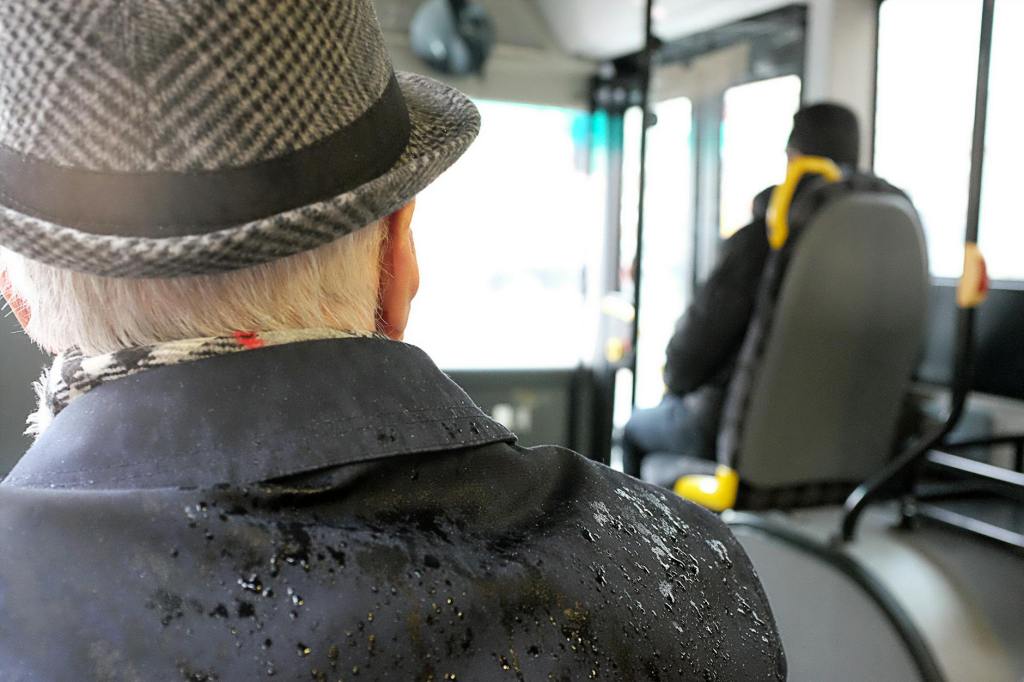
The link between buses and health is not quite as clear cut as we might think it is
I don’t often link to editorials, partly because they read like literature reviews (on which I have already given my opinion). But on this occasion, I make an exception as this one by Charles Musselwhite makes an astute observation. Just because a link is logical and there may be some causal evidence, it doesn’t mean the evidence proving a link is strong. In this case, the link between buses and health.
Buses can provide access to healthcare facilities. Walking to bus stops is clearly more healthy than driving to them. There are practical steps that can be taken to improve rider safety, and buses are sometimes popular social spaces. But this is not the same as there being a causal link between buses and better health outcomes. Always question the link between the action and the outcome, and whether there is supporting evidence or not.

Random things
These links are meant to make you think about the things that affect our world in transport, and not just think about transport itself. I hope they do just that.
Could Tech Startups Become Community-Owned Co-Ops? (LA Progressive)
Are cars an urban design flaw? Cities advance car-free zones (World Economic Forum)
At Mattapan farm, Mayor Wu announces new urban agriculture office (Dorchester Reporter)
Ford boosts EV spending to $50 billion, sets up new Model e unit (Reuters)
Google to wind down pandemic work-from-home (The Register)
Something interesting
How to build a train, by the masters of running trains.
If you do nothing else today, then do this
Read this great e-book of case studies on how to chart an equitable future.


 Mobility Matters