
Good day my good friend.
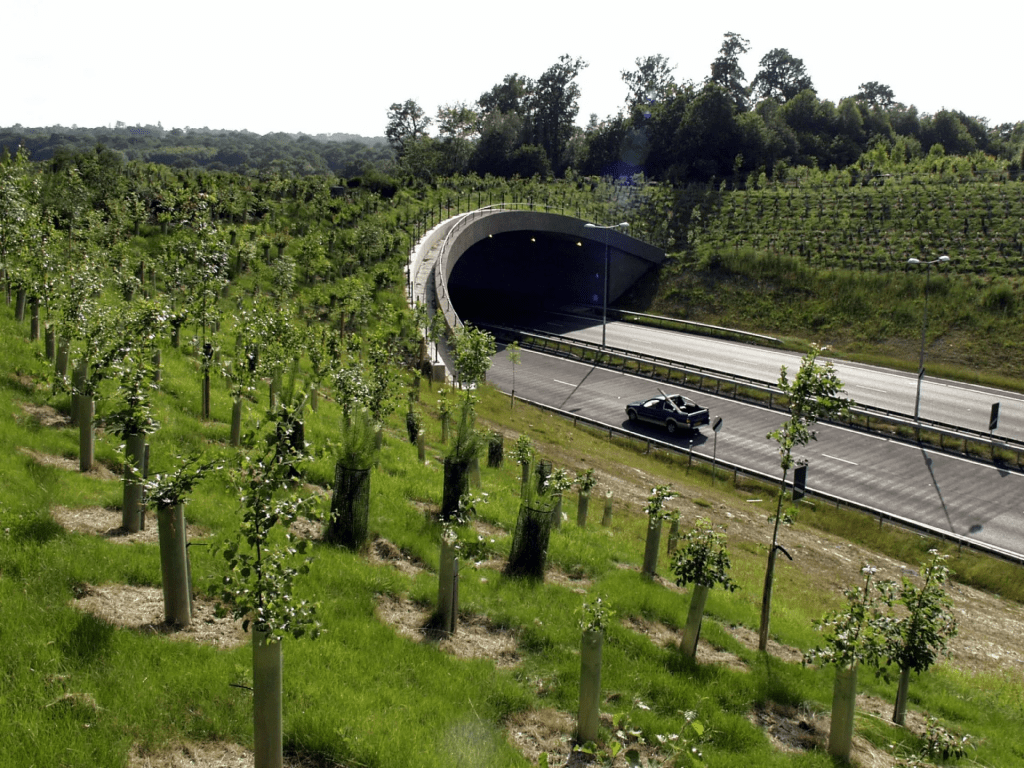
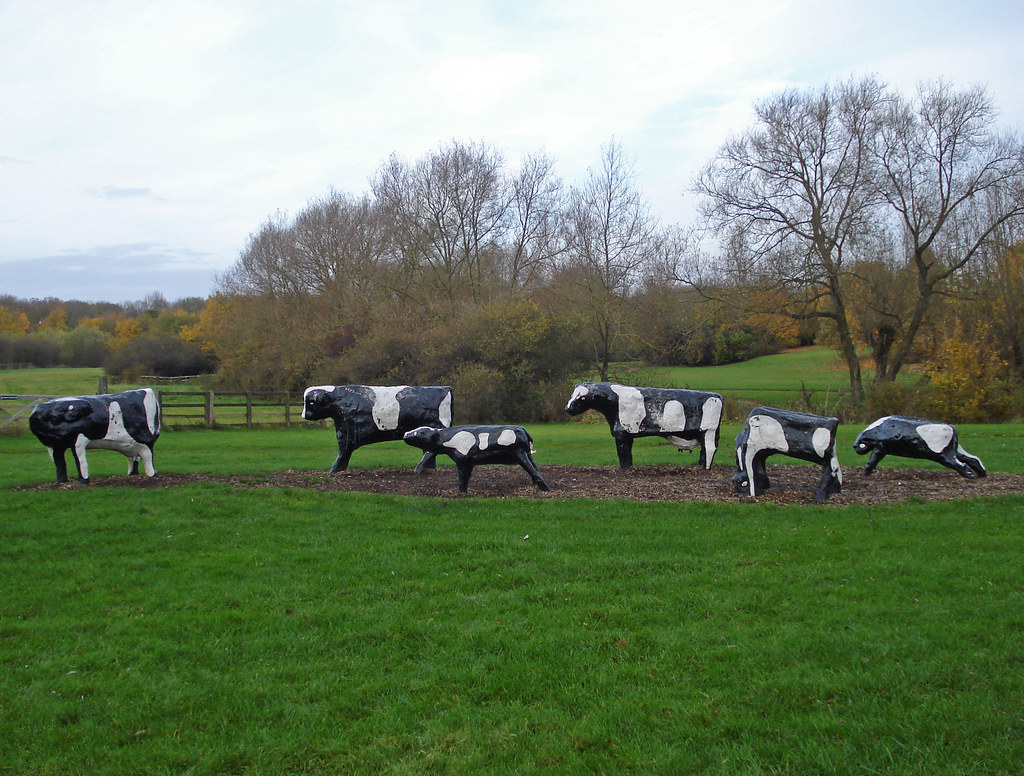
Sometimes, you just can’t help yourself. You are wondering along, minding your own business, and then suddenly an amazing load of paving appears in front of you that you must tweet about.
I regret nothing.
If you have any suggestions for interesting news items or bits of research to include in this newsletter, you can email me.
James
Turns out that when its dark, road collisions are more likely to happen. World left stunned.
Any street light engineers or people who highly value seeing the night sky should look away now. Some researchers have crunched the US casualty statistics, and have calculated that over 75% of pedestrain fatalities happen after the sun goes down. Fatalities at this time are responsible for 85% of the increase in pedestrian fatalities in the US. This validates previous research in places like London that conclude its dangerous for pedestrians at night.
The explanation for this? The speed limit, number of lanes, and road types were the most significant factors by far. But not speeding, interestingly.
Binary and multinomial logit models reveal that variables related to roadway design and operations (e.g., speed limits, number of lanes, roadway type, and presence of traffic control) – but not speeding – are significantly associated with the likelihood of a pedestrian fatality or serious injury occurring in darkness as compared to daylight. Critically, these factors – which were consistent for fatalities regardless of lighting presence and roadway type, with few exceptions – are all worse in darkness because they are negatively affected by a lack of visibility. Alcohol usage by drivers or pedestrians and sociodemographic characteristics were also positively associated with severe injuries in darkness.
Black and Native American pedestrian deaths are also more likely to occur at night. Althought the research does not comment on any social factors that may play a role in collisions.

Could an all-encompassing indicator help to predict car use for different land uses? Of course not, but its fun to find out
If you have been following the work of Transport for New Homes, or if you have had the chance to look at almost any major planning applications recently, you will know that many new developments are not exactly car-unfriendly. You may also be aware of indicators such as PTAL that look to assess the accessibility of areas of a city to public transport to improve planning outcomes. So what if one indicator could predict car dependency in new developments?
Some research from Belgium tried to do just this by using a mobility score. It’s never a good sign when the abstract doesn’t state whether or not it was useful, or whether it could actually predict car use. Which is no shock, as their results show that the relationship between land use, car use, and kilometres driven is complicated. But in a field which is dominated by what it measures, trying new metrics is to be encouraged.
Random things
These links are meant to make you think about the things that affect our world in transport, and not just think about transport itself. I hope they do just that.
Banning the promotion of soft drinks could be more effective than a sugar tax (The Conversation)
What went wrong with Horizon: learning from the Post Office trial (Evidence Critical Systems)
Their bionic eyes are now obsolete and unsupported (IEEE Spectrum)
Regulating the Road to Autonomous Vehicles (Autonomy)
‘The Birds Outsmarted Us’: Magpies Help Each Other Remove Scientists’ Tracking Devices (Gizmodo)
Something interesting

If you do nothing else today, then do this
If you are not coming along to tomorrow’s SRITC Cafe to talk rural transport, then why not? Sign up! Its on how we can deliver this innovative transport concept: parcels and people, in the same vehicle!

 Mobility Matters