
Plus an apology
Good day my good friend.
I start with an apology. Yesterday, I said “here is a great meta-analysis of the impacts of e-scooters” and I didn’t provide a link. Here it is. I also put in a sponsor in the paid subscriber email. The inquiry into the causes of this error revealed the cause as pilot error. Suitable adjustments have been made.
Here are today’s links for you. They are present and correct.
James
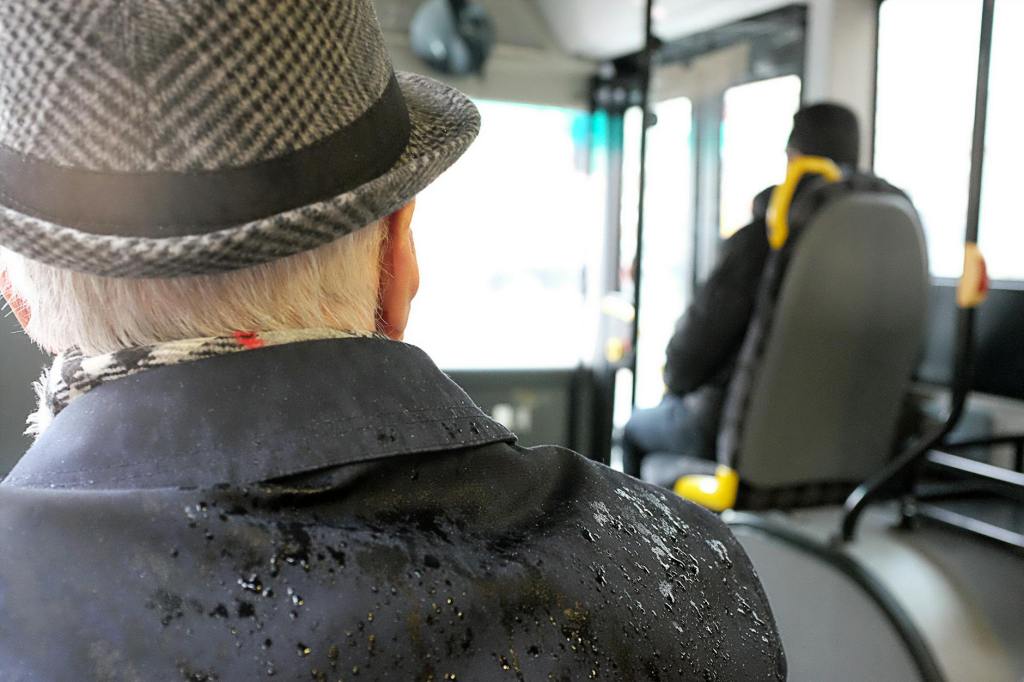
The UK Department for Transport is now reporting travel by disabled persons more systemically
Yesterday, the UK Department for Transport published data on its Inclusive Transport Strategy scorecard. Simply, it shows in one place how the UK transport network is performing overall in terms of accessibility – as in physical accessibility. There is a huge degree of availability bias in the data (no other forms of exclusion are counted), but regardless it is still an interesting publication.
My most notable observations are a reduction in accessible taxis and private hire vehicles, more trips being taken by disabled people of working age (on average), and more buses having audio and visual announcements on them. It shows that there is a long way to go, and the needle is moving slowly in a positive direction.

Is multi-modal travel good for you?
Its a question where instinctively, many of us would argue that yes it is. But new research from Sydney, Australia, points out that the picture is much more nuanced than we give it credit for. In particular, there is no observed impact on quality of life of the need to interchange between modes of transport, although there is a negative association with how respondents viewed their own health.
Such findings pose an interesting question. Does this mean that the interchange penalty often assumed in transport planning is overstated? I’m not so sure. The need to interchange and how it is valued is distinct as an act compared to waiting, which the interchange penalty is based on. Such differences need researching to understand better, but the premise that interchanging is not a barrier to multi-modal travel is not one I accept.
Random things
These links are meant to make you think about the things that affect our world in transport. I hope they do just that.
How Healthcare Is Turning Into A Consumer Product (The Economist)
How Bad Are Plastics Really? (The Atlantic)
50 US airports to be surrounded by 5G C-band-free zones (The Register)
To Get Rural Americans Involved in Climate Crisis, See Them for Who They Are (The Daily Yonder)
Something interesting
If you do nothing else today, then do this
My good friends at SRITC are running an open Café on rural transport on 28th January. You should attend, so go and sign up.


 Mobility Matters