
Plus Sweden isn’t the road safety king of Europe
Good day my good friend.
Welcome back! I trust that you have had a wonderful break, and are now back and raring to go for the New Year. I personally am feeling full of energy and ideas for the newsletter. These will come into play later in the year, when I have some time to actually deliver on them. But in the meantime, you will be getting the same transport goodness as last year.
I should also apologise. I was due to send a message yesterday, but when I went to check before pressing send, the whole message had somehow been deleted. This was at 12:15, so rather then rush something out, I thought it best to curse myself first, and do a good job today.
Enough of that. We have articles to enjoy!
James
A new Department for Transport fund touches on an old and overlooked problem
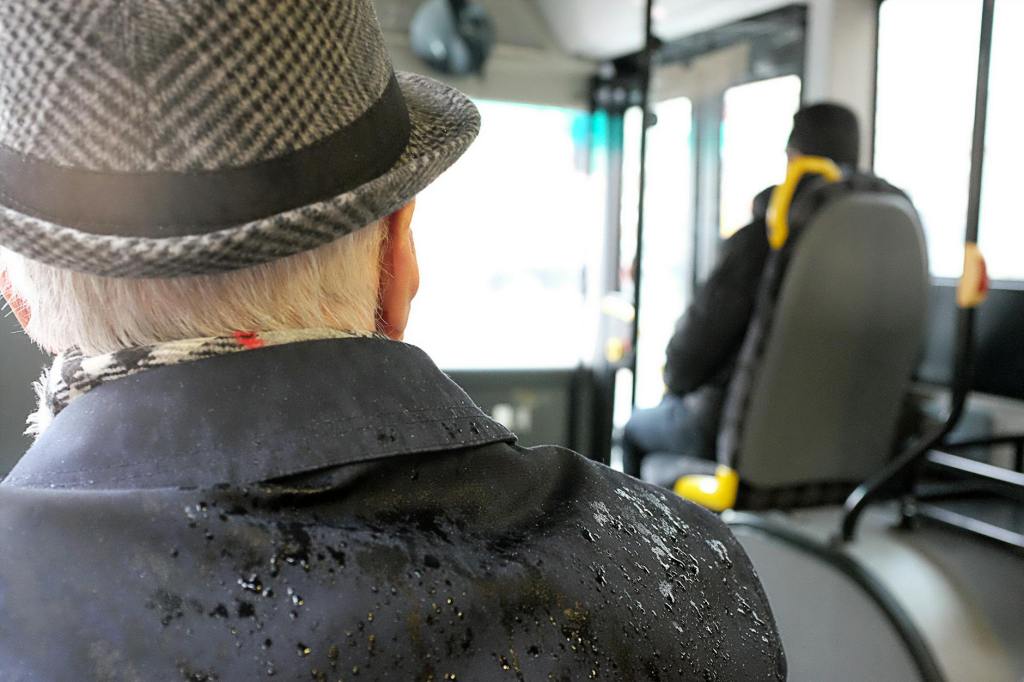
Before Christmas, the UK Department for Transport invited proposals for projects that look to tackle loneliness through transport initiatives (its open until the end of January, so if you have an idea put a bid in). These pilot projects could help to tackle what is sometimes called a silent epidemic, and one that has a significant impact on people’s lives.
I hope that the work that comes from this is not just more services providing connections to places, important though that is for social exclusion. Using transport itself does provide social connections in itself – a chance to meet old friends by accident on a bus, or a place to sit and watch the world go by. Regardless, transport has a huge role to play in increasing social connections and reducing loneliness. Its time we did our bit.

Stop planning for when COVID is over. Start planning for when COVID is here all the time.
Some of you are probably thinking to the future right now, and as part of that exercise there is one thing that you should consider. COVID may soon transition from a pandemic to becoming endemic. This is something that is being debated extensively in medical literature, and its potential implications on health policy.
For transport, this would mean our current plans are essentially meaningless. Most of which are predicated on COVID ending and life going back to normal in some way. The key uncertainties are the potency and the frequency of breakthrough infections, and the subsequent movement restrictions needed. If you are not doing so already, you should be planning considering these uncertainties.
Should we start scoring legislation for its carbon impact?
A recent article by Brookings posed an interesting question: should we start rating legislation for its carbon impact? This article is based on the current situation with the Build Back Better Bill currently progressing through Washington DC. It is based on a simple premise. If we can estimate the budget impact of legislation, then we should be able to estimate the carbon impact of legislation too.
Us transport professionals do a reasonably good job of estimating scheme impacts, and this idea takes this further back in the process. I would warn that it is easier to estimate the impact of something you control, like a budget, than a system impact like climate change. But I like the logic behind this idea. Anyone want a research project for this year?
Random things
These links are meant to make you think about the things that affect our world in transport. I hope they do just that.
Inside the cult of crypto (Financial Times)
Why the godfather of the electric car is betting on public transport (City Monitor)
In Michigan, a new housing project shows that sustainable development isn’t only for the rich (Grist)
Using Cycling as an Indicator for Urban Quality of Life (TheCityFix)
A B52 Bomber captured on Google Maps, somewhere over Kansas (Google Maps)
Something interesting

If you do nothing else today, then do this
Check out the International Transport Forum’s provisional data for travel within its member countries in 2020.

 Mobility Matters