
In short: a report is misreported by our free and fearless press, and keep an eye on AI regulation
Good day my good friend.
You have a weekend to get to, so I won’t keep you long. Here are today’s links just for you.
James
Thank you for being a paid subscriber. Remember to check out this week’s in-depth article on the most carbon-intensive transport modes.
Just read the report, for pity’s sake
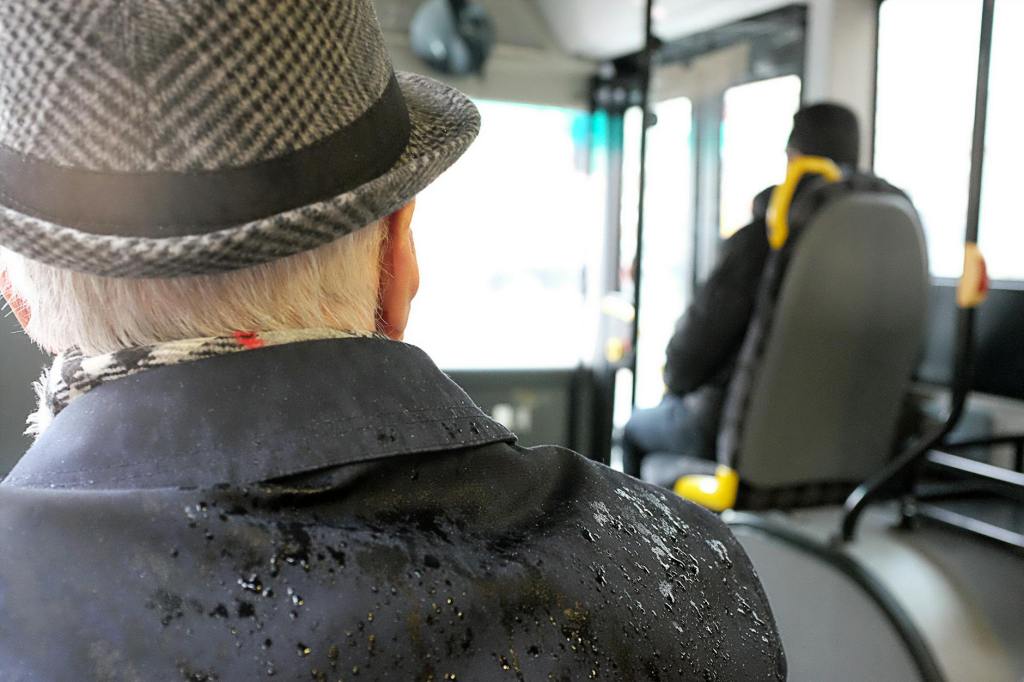
This article in The Times has caused quite the stir. It is based on a report by the Older Drivers Task Force that looked into ways of making driving safer for those of us who are advancing in years. I will cut to the chase. The report is not recommending that your grandmother be allowed to blast through red lights on a whim, but it recommends that rather than giving points, perhaps making those who do this take a course might be better in the long run1.
The rest of the report actually contains some great evidence and some interesting recommendations. This includes making it mandatory that when you renew your licence when you are 70, you in effect have to have a note from an optometrist saying your eyesight is good, as well as zero casualties as a goal by 2050. And look at those casualty statistics – I knew it was bad, but wow.

The digital black box is being prised open, and that’s (probably) a good thing
There have been interesting developments across the pond, where there has been a concerted effort by law makers to make algorithms not quite open, but auditable. Recently, New York made a law making this a requirement for employers in hiring and promotion. Developing a mechanism that balances openness, making the algorithms accessible and understandable, protecting IP, and ensuring security is a tough balancing act. The EU is going further, proposing banning their use for social scoring and to discourage biometric recognition.
These developments are ones that us transport people should observe with interest. We have plenty of black boxes of our own that affect investment decisions and people’s travel decisions. The likes of MatSIM and OpenTripPlanner clearly go for openness in a big way. Being open means being open to challenge and open to improvements, so as a matter of principle I consider that to be good. How that works in practice is something else.

Random things
As random as some random things, completely randomised.
More than a third of world’s population have never used internet, says UN (The Guardian)
We Still Aren’t Treating the Pandemic as a Global Problem (New Republic)
This land is our land (New Economics Foundation)
Harbour and Titanic Quarter public transport plans aim to reduce car use by 30% (Belfast Telegraph)
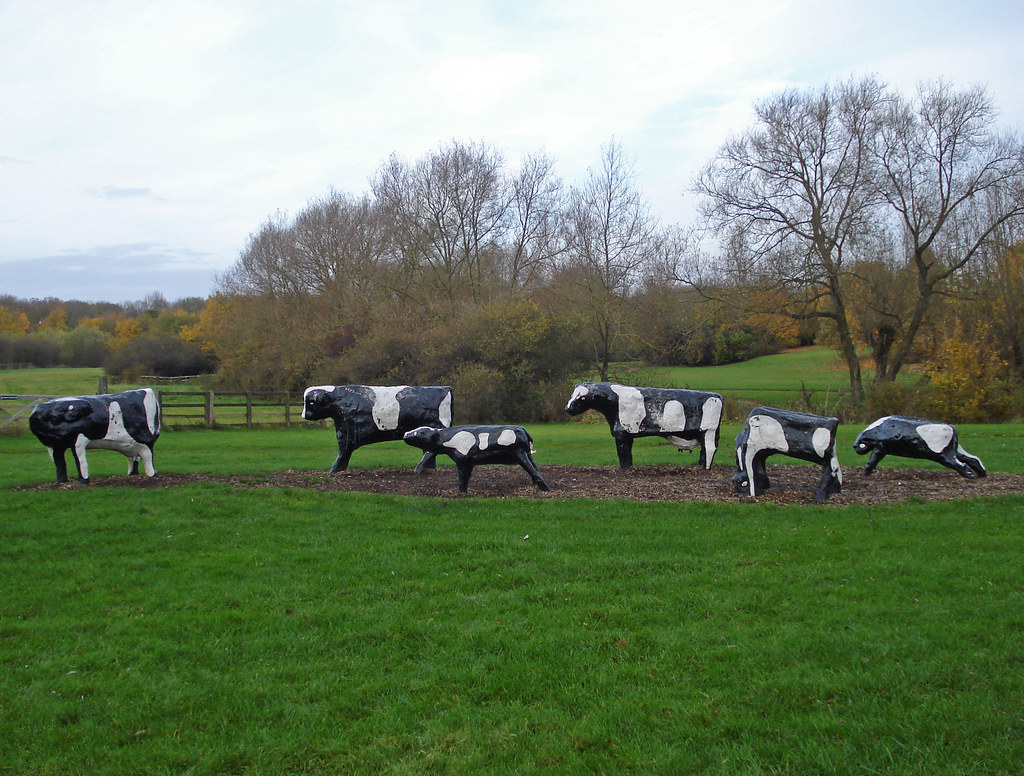
Driverless car-hailing trial underway in Milton Keynes, UK (New Mobility)
Interesting things
Thank you, Ian Walker, for making me laugh twice. (In case you can’t see the robot traffic jam video due to Twitter’s habit of stopping embeds, you can see it here).
If you don’t do anything else today, then do this
See Glenn Lyon’s slides and presentation on white male privelege in transport. Listen, think, then act.
Admittedly, their evidence base supporting this recommendation is flimsy at best, but it’s not a completely awful idea.
 Mobility Matters