
And a neighbourhood carbon tool you must use, now
Good day friend.
I shall keep this brief. Any questions?
James
Now the difficult part of the pandemic recovery begins for public transport
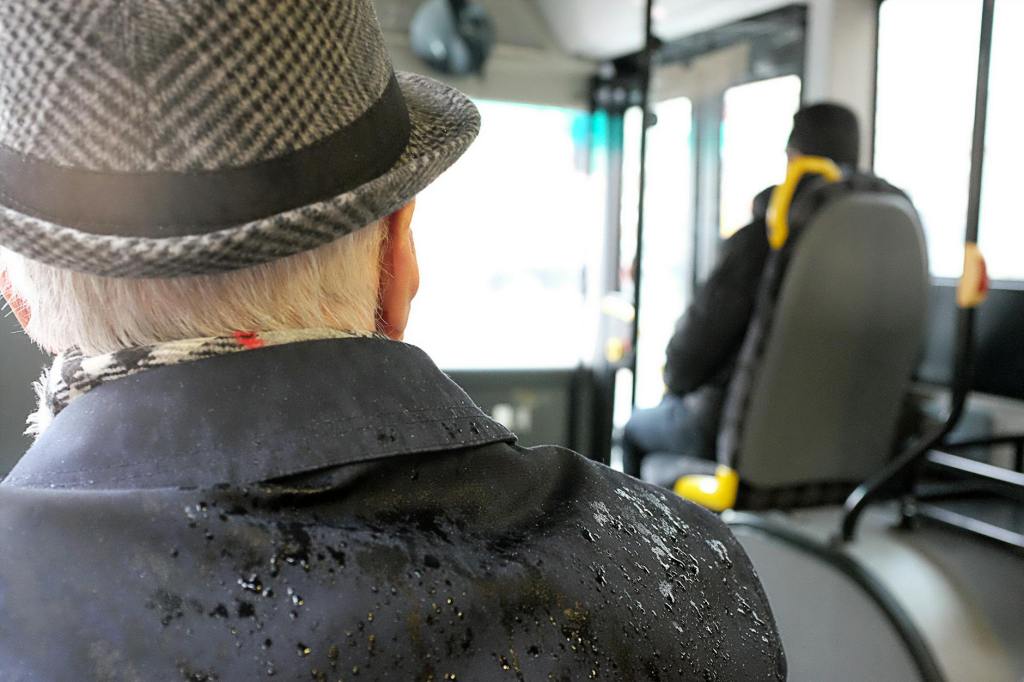
The UK Government announced that, from Monday, the requirement to wear a face mask on buses and trains will be relaxed from being a law, to being a recommendation. With the most vulnerable people more likely to use public transport, and operators being very uneasy about the new rules, the next few months will be when the recovery is won or lost. All against the backdrop of low confidence generally in public transport.

How safe are smart motorways really?
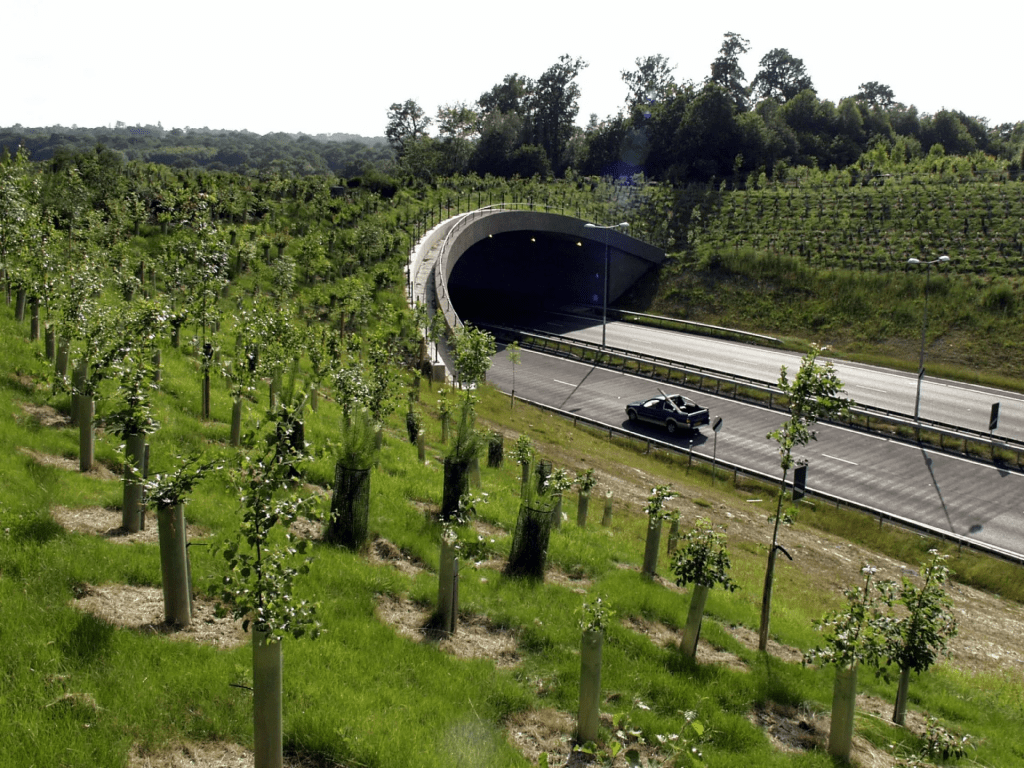
On Sunday evening I had the ‘pleasure’ of using a section of Smart Motorway in the UK. An idea that has been vigorously debated as to its safety. But are they safe? Road Safety GB does a good job summarising the debates, but here is my reading of the evidence.
Firstly, the evidence stock take by the Department for Transport is a great document that should be read. It summarises that whilst the overall casualty rate following the introduction of smart motorways decreases, the rate of fatal and serious injury collisions increases, particularly on schemes where there is all lane running most of the time. But the complications really come in when you start to analyse risk, which isn’t just a factor of casualties.


Risk modelling is required to achieve a result that minimises risk so much as is reasonably practicable, that the result is a collision record no worse than the base case, and ensures that adequate mitigation can be put in place. This is evidence led, and initial assessments done in 2012 were that the risk of a smart motorway compared to a standard motorway is lower. But as Vitor Sousa says:
The digitalisation derived from the evolution of the transportation paradigm and the accumulation of functions demanded in road in-frastructures will certainly expand the list of risks associat-ed with the road infrastructures. This expansion may not represent an increase in the overall level risk but will cer-tainly change the nature of risk.
Whilst Nicola Callaghan, Thomas Avery and Mark Mulville remind us after they asked members of the public about smart motorways (with my amendment):
…user knowledge of smart motorways [is] lacking in some areas and that there is an inclination to wilfully ignore some of the “smart” rules of the road which contrary to the intention of smart motorways, may increase the safety risk and CO₂ emissions.
Simply, the evidence is mixed, but smart motorways are challenging us to think about risk on the roads differently. Maybe, that’s a good thing.
Stat of the Day

Key:
First national lockdown in March 2020
Health measures introduced at all UK borders
International Travel Corridors announced
Second national lockdown starts in November 2020
Third national lockdown starts starts in January 2021
Travellers from overseas required to produce a negative COVID-19 test
Introduction of Managed Quaratine from Red List Countries
It’s fair to say that aviation has been hit hard by COVID-19. In April this year, air passenger numbers were about 5% of what they were in April 2019. Is that a good or bad thing? I will leave you to decide that.
Source: Home Office
If you do nothing else today, do this
If you are in the UK, look at the Place-based Carbon Calculator. It has detailed estimates of carbon emissions by Lower Super Output Areas.


 Mobility Matters